Water Damage Restoration Belton, TX
An indoor water loss can cross floor seams and wall edges before the full boundary becomes visible. Technicians identify the source status, classify the water, recover accessible liquid and record how retained materials respond during drying.
(888) 926-4485Describe the affected rooms- 24/7 emergency dispatch
- Material moisture mapped
- Category controls documented
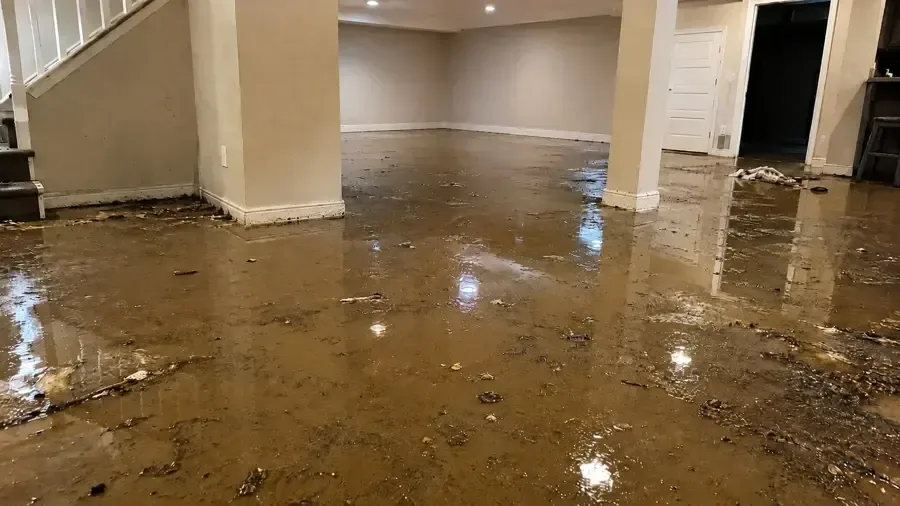
Actions that protect the building before assessment
- 1
Use a reachable shutoff only when the route avoids standing water, damaged electrical components and unstable overhead materials.
- 2
Keep people and pets outside any room containing sewage, outdoor water, a sagging ceiling or an uncertain electrical condition.
- 3
Photograph the visible water edge and source area from a dry position before moving belongings or disturbing damaged finishes.
- 4
Report the affected floor, active source, water origin and access constraints so the response can arrive prepared for inspection.
Water Damage Restoration Services in Belton, TX
Each service addresses a different route through the building, with the water category and actual materials setting the work sequence.
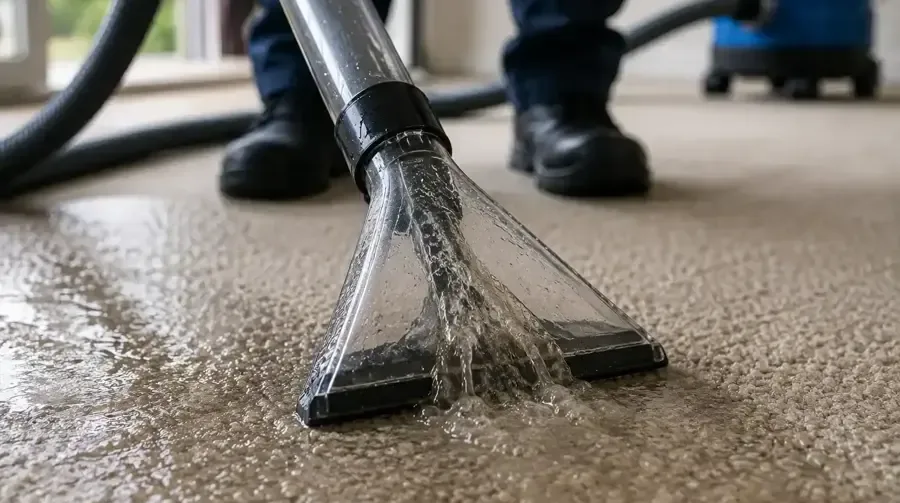 Water ExtractionExtraction recovers liquid before technicians map moisture beneath surfaces and around room edges.See the service
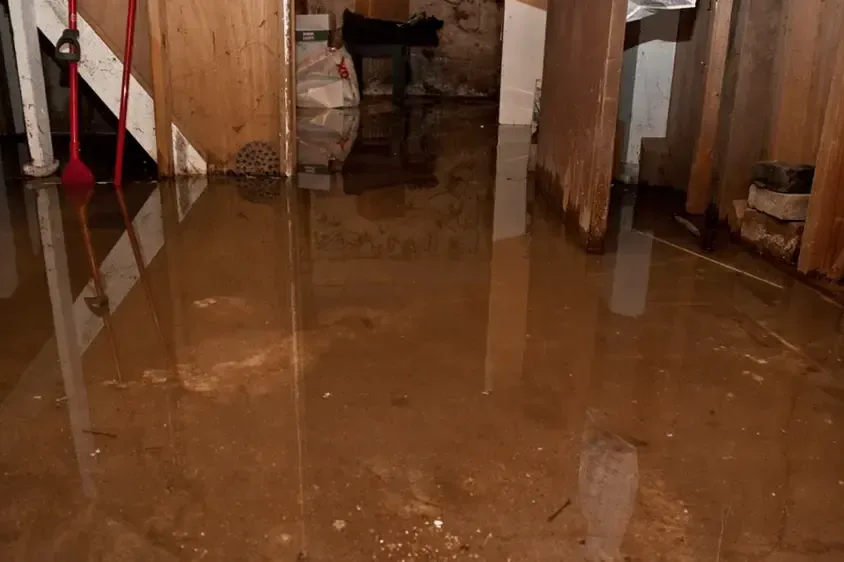 Basement Flooding CleanupWhen a property has a basement, cleanup starts with access, utilities, water origin and the lower-level materials that were contacted.See the service
 Frozen Pipe Water DamageThawing releases require isolation, repair and inspection of cavities beneath the damaged pipe.See the service
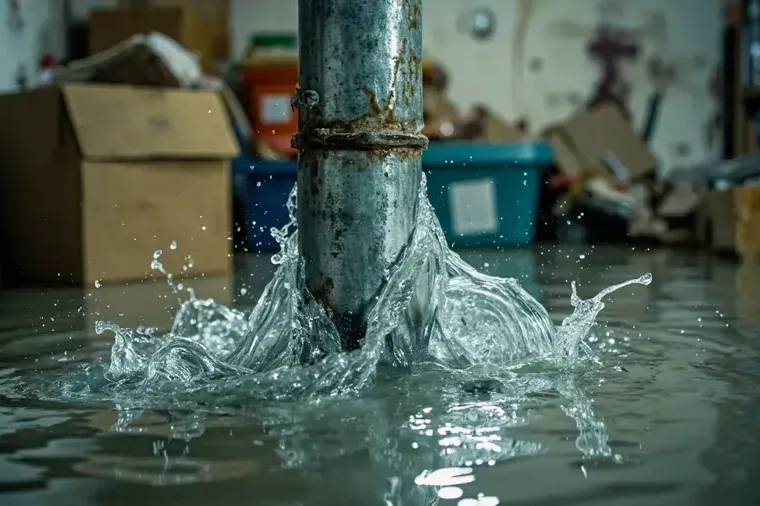 Burst Pipe CleanupPressurized pipe water may reach adjoining cavities and floors, so the assessment follows spray marks beyond the first visible pool.See the service
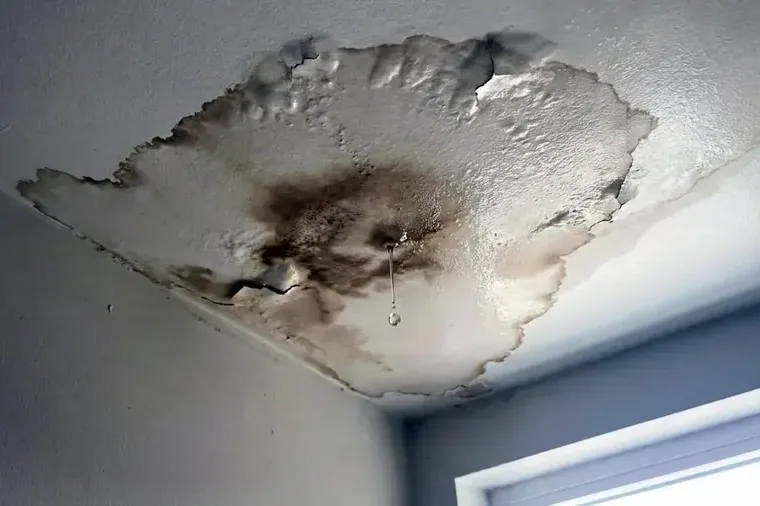 Roof Leak Water DamageAfter exterior control, interior work traces damp insulation, framing and ceiling finishes.See the service
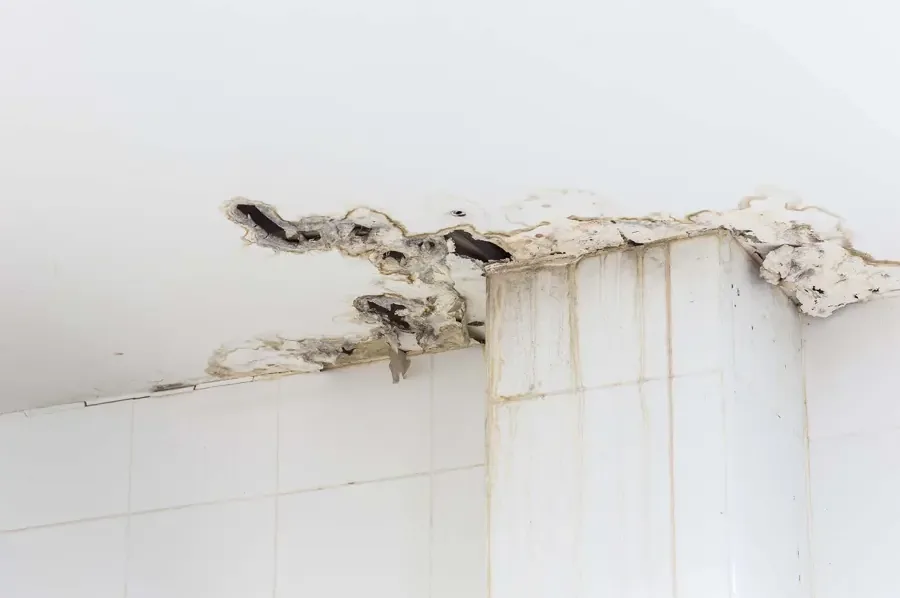 Ceiling Leak Water DamageOverhead cleanup protects the area below soft drywall, checks nearby fixtures and establishes the source above the stained finish.See the service
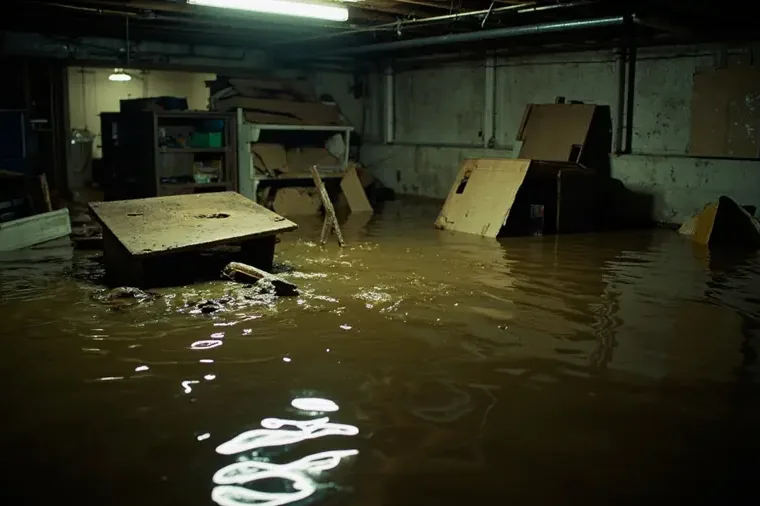 Sump Pump Failure CleanupAt a building equipped with a sump, technicians assess returning water, basin conditions and contacted finishes before choosing removal methods.See the service
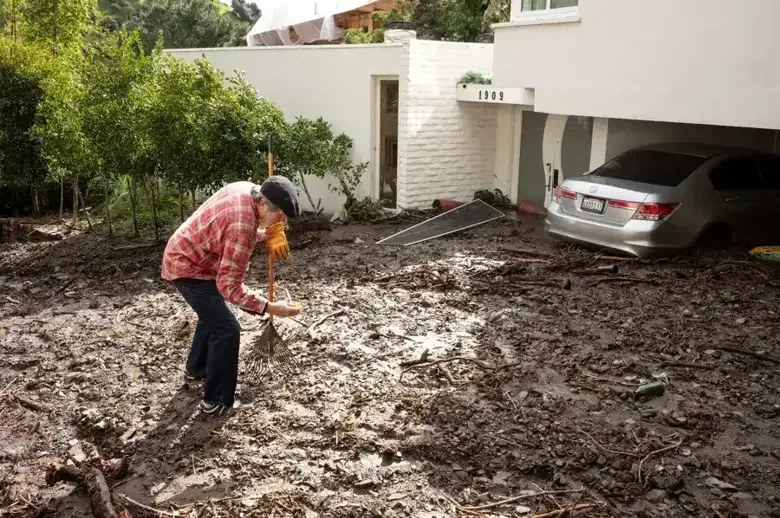 Storm Water DamageWeather entry brings exterior contact and possible debris, making containment and cleaning necessary before air movement begins inside.See the service
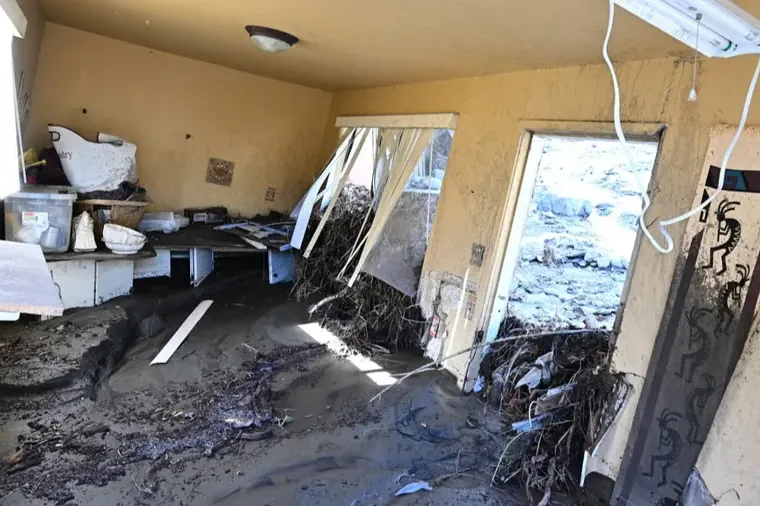 Flood CleanupWater arriving from outdoors receives Category 3 controls, selective porous removal and detailed cleaning of sound retained surfaces.See the service
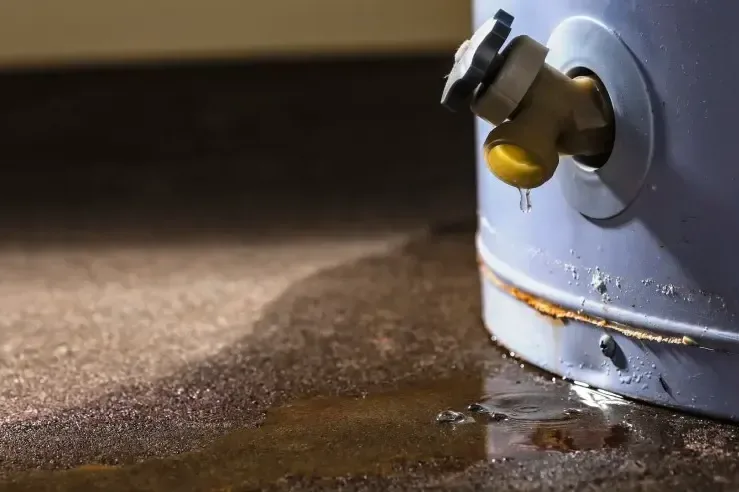 Water Heater Leak CleanupA tank discharge can spread beneath closet platforms, flooring and nearby walls even when the exposed floor has stopped pooling.See the service
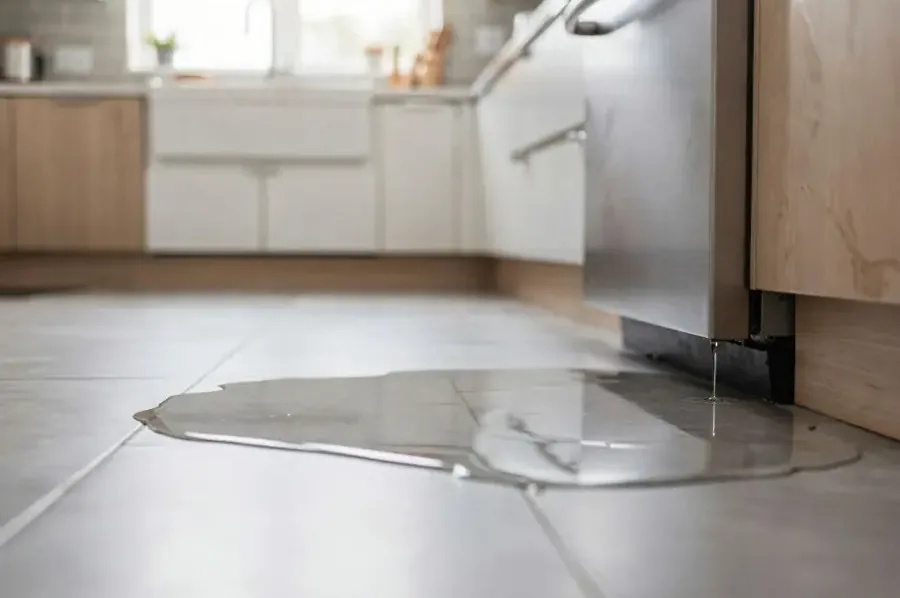 Appliance Leak Water DamageDishwasher, washer or refrigerator releases often require checks beneath cabinets and across thresholds after the appliance supply is secured.See the service
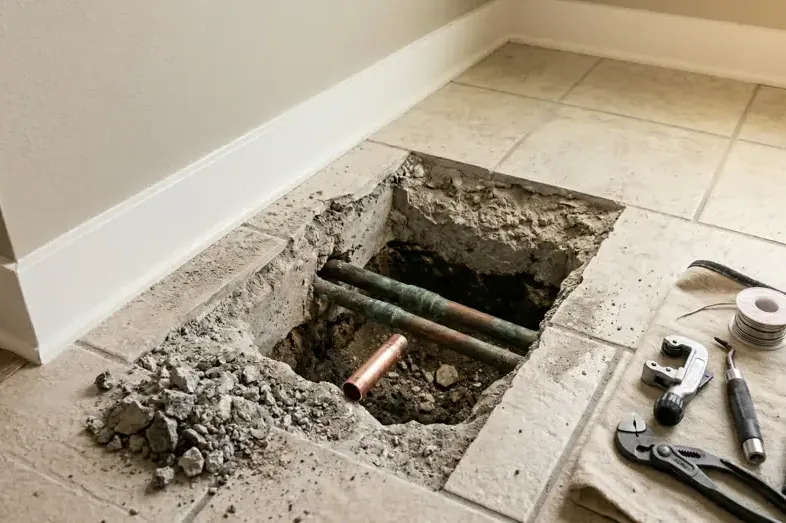 Slab Leak Water DamageA diagnosed below-slab pipe problem leads to a material map above the concrete, coordinated source access and measured drying of retained finishes.See the service
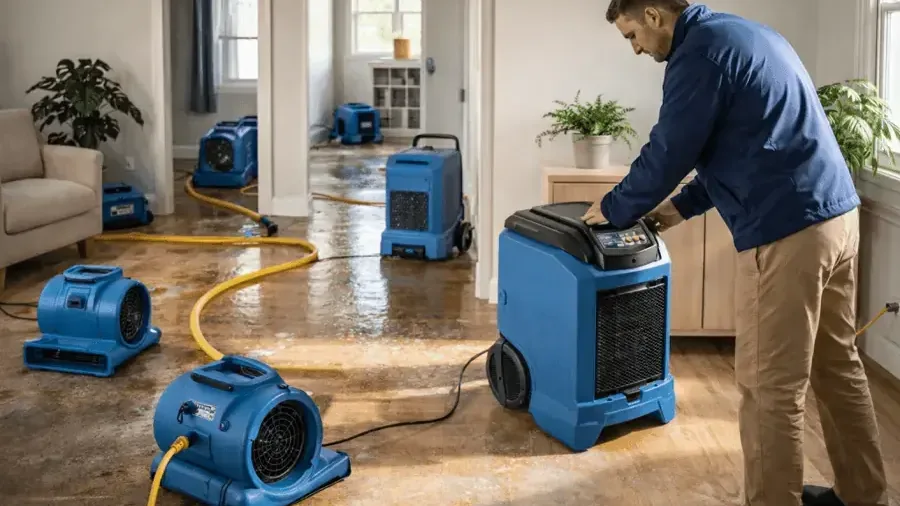 Structural DryingRepeat measurements show whether airflow and dehumidification are moving retained materials toward the recorded goal.See the service
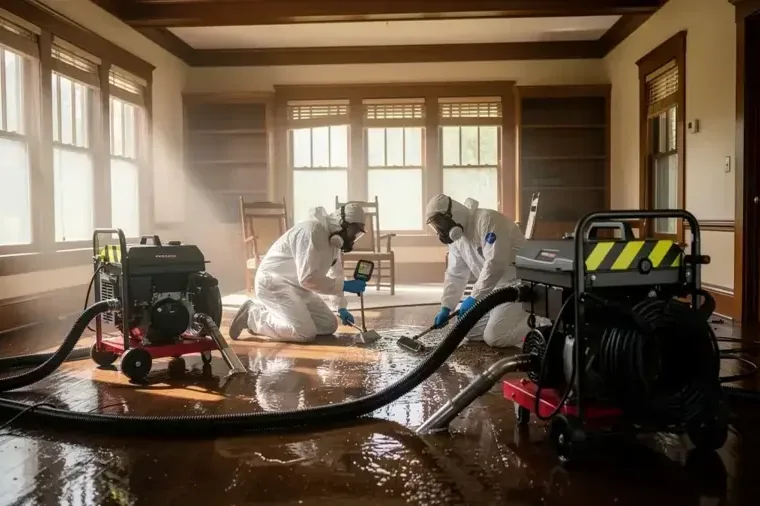 Sewage Backup CleanupCategory 3 work restricts entry, contains debris, removes contacted porous materials and documents cleaning before the dryout phase starts.See the service
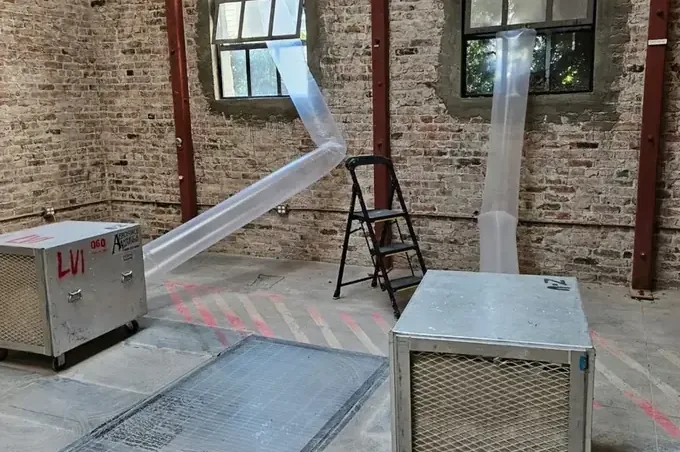 Commercial Water DamageCommercial response coordinates occupied routes, contents and building systems with extraction and monitoring.See the service
A documented path through water cleanup
Field evidence connects the first safety decision with the final moisture result for every retained assembly.
- 01
Stabilize entry and source
Personnel establish a dry approach, identify immediate hazards and record whether water is still entering. The appropriate trade completes pipe, roof or equipment repairs outside the restoration scope.
- 02
Trace water through materials
Surface observations and meter readings define affected rooms, layers and cavities. Dry comparison points make later measurements meaningful instead of relying on appearance or a universal number.
- 03
Remove water and unsuitable layers
Extraction lowers the liquid load. Contamination, loss of integrity and blocked drying access determine which porous finishes leave under controlled conditions before equipment is placed.
- 04
Measure change until turnover
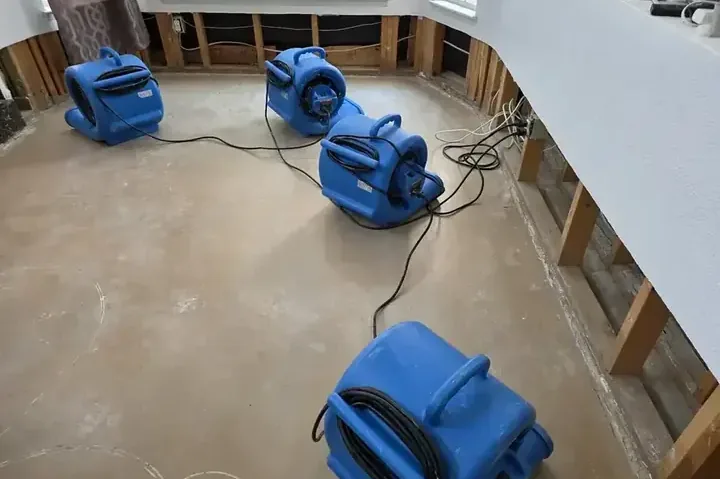
Repeat readings at labeled locations show where progress continues or stalls. Technicians adjust airflow and dehumidification, then preserve final results with remaining repair needs in the project record.
Belton water damage cleanup, room by room
Nolan Creek runs through central Belton, and the Leon River forms part of the northeastern edge. Following an indoor loss, the crew checks the source and tracks moisture through connected floor and wall layers. A clear wet boundary helps protect dry rooms.
Extraction recovers accessible water before the team decides which finishes can remain. Contamination, physical damage and access determine removal. Daily readings then show where equipment needs adjustment or a concealed pocket needs closer inspection.
Hazards checked first
Wet electrical components, unstable finishes and contaminated rooms are identified before personnel select an entry route or move equipment inside.
IICRC S500 drying standard
Water category, material class, dry references and daily readings support a defensible plan for extraction, cleaning and controlled evaporation.
Claim evidence organized
Timestamped photos, moisture maps, equipment notes and material decisions connect the reported cause with the documented restoration activities.
Clear access and room records
Affected rooms, contents and debris routes are marked before work begins, keeping cleanup organized while dry areas stay protected.
What does water damage restoration cost in Belton, TX?
A small accessible clean-water loss may begin around $900 to $2,400, while extensive contaminated cleanup can exceed $12,500. Area, category, finish layers, contents and drying access affect the scope. A field assessment connects those drivers with the actual building.
Contained clean release
$900 to $2,400
- Accessible water in one area
- Limited finish layers affected
- Focused equipment and monitoring
Several connected spaces
$2,400 to $6,800
- Water beyond a single room
- Cavity or floor access needed
- Multiple drying zones recorded
Extensive contaminated work
$6,800 to $12,500+
- Category 3 controls required
- Broad removal and surface cleaning
- Contents and repairs scoped separately
Use the restoration cost calculator for preliminary planning conditions, then compare them with the measured property scope.
Water damage dried to the IICRC S500 standard
A useful drying record follows moisture inside the assembly rather than stopping when the room looks better. Extraction removes recoverable liquid, exposed surfaces receive balanced airflow, and dehumidification manages released vapor. Repeat material checks show whether the selected approach is working.
- Source status recorded
- Wet boundaries marked
- Daily readings compared
- Final goals documented
Documentation for your insurance claim
The project file identifies source observations, water category, affected materials, photographs before removal and the positions used for repeated moisture checks. Equipment notes explain changes made during the dryout.
The insurer interprets policy terms and decides coverage. Property owners can ask how sudden pipe water differs from outdoor flooding while the restoration record supplies factual support for the submitted scope.
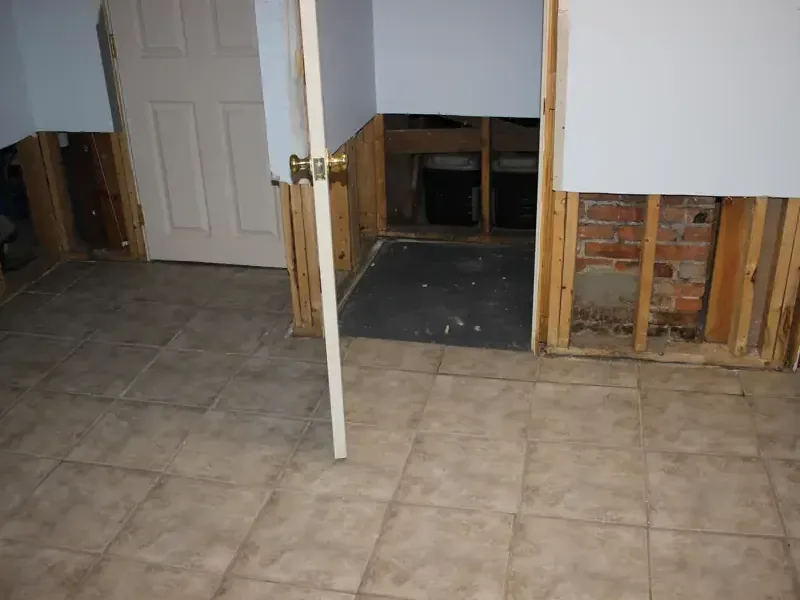
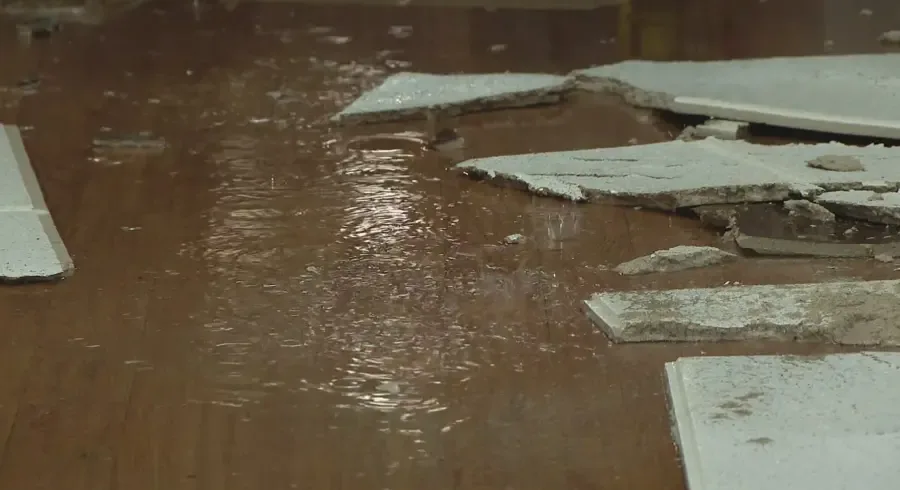
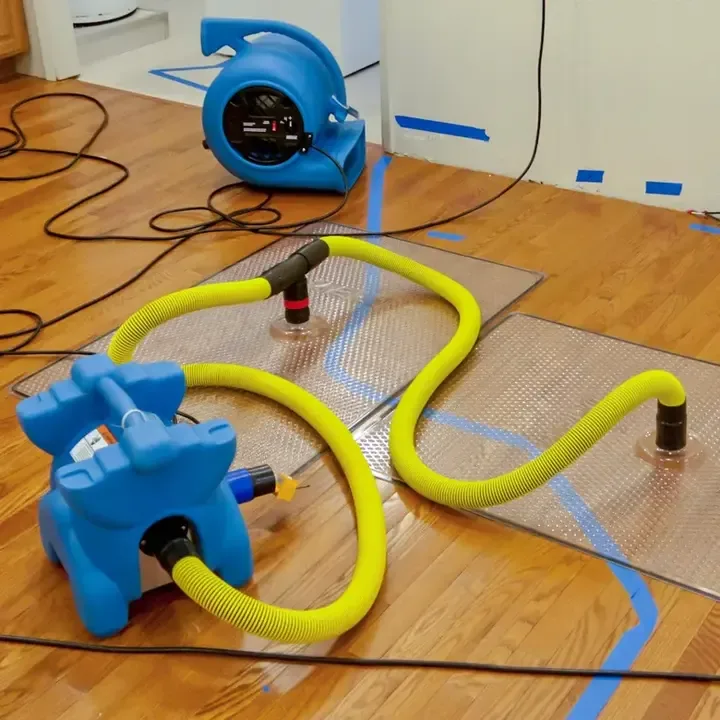
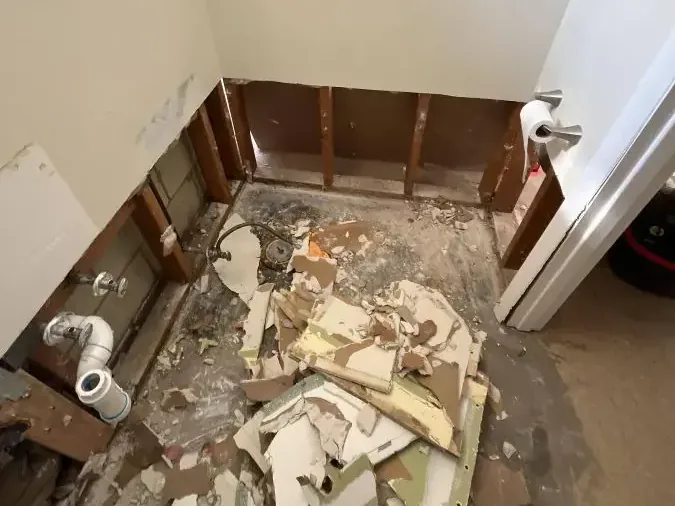
What a measured water damage project can include
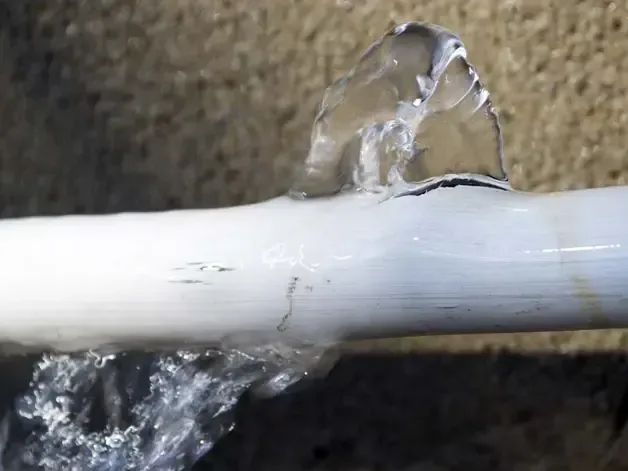
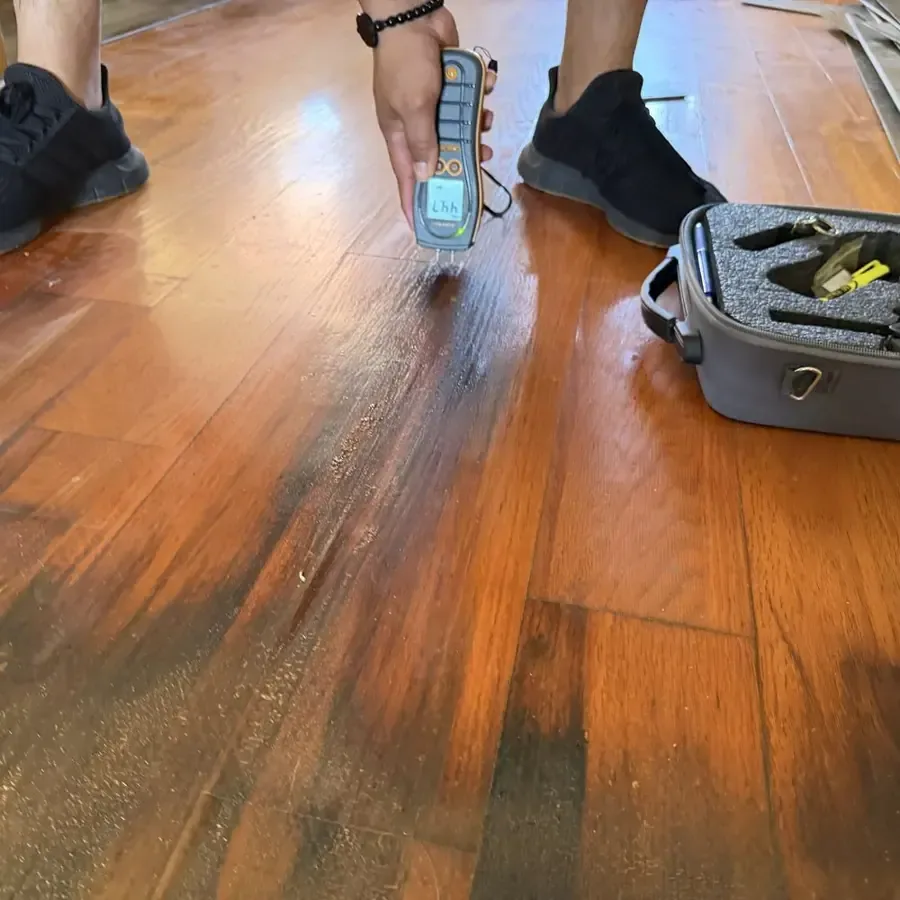
The water source shapes the cleanup
Sanitary source water
Supply water can begin sanitary, while time and contact with building materials may change the conditions found during assessment.
Water carrying contamination
Used appliance water or another affected source requires attention to exposure, absorbent finishes and cleaning before drying proceeds.
Sewage and outdoor water
Containment, protective equipment, porous removal and surface cleaning come before controlled airflow in a grossly contaminated area.
See sewage cleanup stepsWater damage coverage across Belton
Coverage includes central Belton, the Commerce Street corridor and areas around Heritage Park and the University of Mary Hardin-Baylor. Dispatch confirms the property location and safe access before the assessment.
ZIP areas
Central coverage
- Commerce Street
- Heritage Park
- Interstate 35
Additional service towns
Speak with water damage dispatch, day or night
The caller can identify the wet rooms, source status, building access and any obvious electrical or contamination concern. That information supports dispatch planning, while the on-site inspection determines the material boundary, equipment needs and cleaning sequence.
Water damage in Belton, TX: the local risk profile
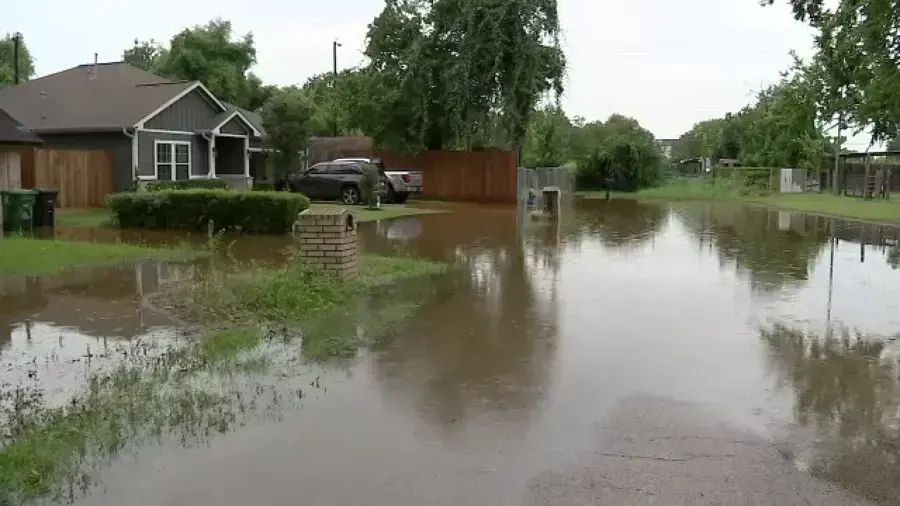
Heavy rain and indoor plumbing releases create different cleanup needs. The crew checks the entry path, contaminated surfaces and connected rooms before setting the work sequence.
- Nolan Creek left its banks after more than six inches of rain fell during the April 2024 storms.
- Yettie Polk Park follows Nolan Creek through central Belton.
- Heritage Park lies along the Leon River.
- Belton Lake and Stillhouse Hollow Lake touch the city limits.
Answers about water removal and repairs
Water moved beyond one room?
A moisture map can follow thresholds, wall edges and concealed layers before the cleanup boundary is settled.
(888) 926-4485Discuss the water pathWhat should be reported during the first call?
The useful details are the affected rooms, water origin if known, whether the source is controlled, and any wet electrical area or unstable ceiling. Dispatch uses that information for planning. Technicians still inspect the building before assigning a category, selecting equipment or deciding which finish layers need access.
How does cleanup follow floodwater through a Belton home?
The team starts at the entry opening, photographs water marks and checks connected rooms for debris and moisture. Wet floor layers, wall bases and belongings receive separate assessments. Containment keeps tracked contamination out of clean areas, followed by removal, surface cleaning and drying of the materials that remain.
How is standing water different from retained moisture?
Standing water can often be recovered with pumps or extraction tools. Moisture left in subfloors, framing, insulation or drywall requires measurements, drying access and controlled equipment. The water extraction process connects those stages and shows why a dry-looking surface is not the closing test.
Who handles a leaking pipe and the water left indoors?
A plumber locates and repairs the leaking pipe. Restoration technicians extract standing water, check wall bases and flooring, and dry the affected materials. The owner receives the source findings, daily moisture readings and a list of remaining finish repairs. The Belton burst pipe cleanup page explains the sequence.
When does contaminated water change the response?
Outdoor water and sewage begin with Category 3 controls. Occupants stay out, traffic routes are contained, affected porous materials are evaluated for removal, and retained surfaces are physically cleaned. Drying airflow begins after those steps so equipment does not spread untreated contamination through the work area.
How are hidden floor layers checked?
Technicians compare the finish, seams, underlayment and subfloor with suitable dry references. Room transitions receive checks because water can travel below a dry-looking wear surface. Controlled openings may be used when readings, physical damage or contamination show that the concealed layer needs direct access.
Why do drying equipment arrangements change?
Materials release moisture at different rates, and access can improve after a finish is removed. Daily readings at the same locations show which zones respond and which remain stalled. Personnel can redirect airflow, alter dehumidification or expose a trapped layer, recording the reason for every material change.
What belongs in the project record?
The file normally includes source observations, category, affected-room photographs, a moisture map, material decisions, equipment placement and repeat readings. It also separates plumbing, roof or equipment repair from restoration. Those details let an insurer assess evidence under the policy without turning restoration personnel into coverage decision makers.
Can a planning range replace an inspection?
No. A range assumes conditions about area, category and access. The actual property may contain layered floors, concealed insulation, contents or contamination that changes the work. An inspection records those facts, and the resulting written scope explains why extraction, removal, cleaning and drying activities are included.
Water spreading through the property?
Report the source status and wet rooms so technicians can assess the water path, materials and appropriate restoration sequence.
- Belton, TX and nearby towns
- Emergency dispatch through nights and weekends
- Find us on Google