Flood Cleanup in Belton, TX
Flood cleanup begins with the path water traveled, not with a map assumption about the property. Exterior contact makes the water Category 3, requiring restricted access, controlled material removal and surface cleaning before structural drying.
(888) 926-4485Mark the contamination edge- 24/7 dispatch
- IICRC S500 drying standard
- Truck-mounted extraction
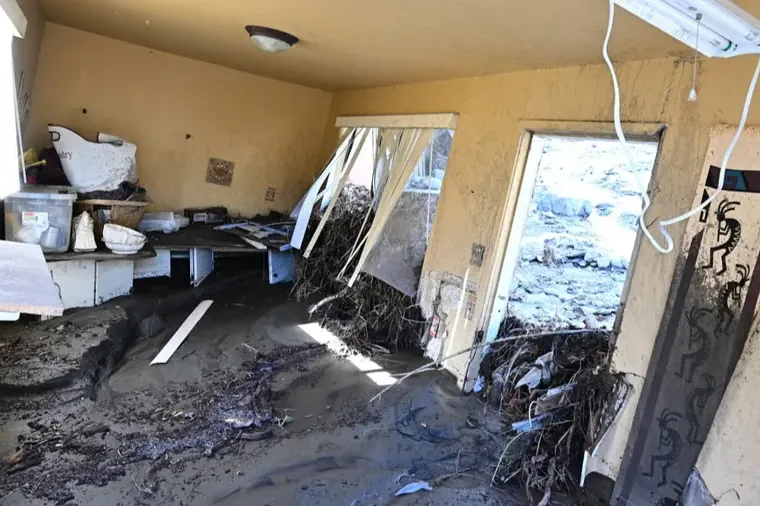
What to do the moment you find outdoor floodwater inside a building
- 1
Keep occupants beyond the boundary
People and pets should avoid floodwater, debris and tracked routes. Do not use household vacuums or fans within the affected area before containment.
- 2
Capture the water line and path
Photograph exterior entry, indoor marks and moved contents from a safe position. Include footprints or debris trails that extend beyond the visible pool.
- 3
Separate clean and affected movement
Choose worker, equipment and debris routes that protect unaffected rooms. Contents receive contact labels before relocation whenever conditions allow safe documentation.
- 4
Complete cleaning before evaporation
Extract water, remove unsuitable porous layers and physically clean retained surfaces. Record antimicrobial product directions, including labeled dwell or rinse requirements, before drying.
How flood cleanup is handled in Belton
Floors and underlayment
Floodwater can enter seams and absorbent backing. Contact, physical condition and cleaning access determine whether each finish layer can remain. Joints and thresholds remain included beyond visible discoloration.
Lower walls and insulation
Water marks, capillary rise and cavity inspection establish affected height. Removal follows evidence rather than a single standard dimension. Cavity observations support the documented removal boundary.
Hard surfaces and framing
Sound accessible concrete or wood may remain after soil removal, documented treatment and verification that airflow can reach the retained material. Product directions and completed steps stay in the file.
What does flood cleanup cost in Belton, TX?
Planning ranges depend on entered area, contamination, porous removal, contents, containment and structural drying. Exterior correction, drainage work, specialist contents treatment and reconstruction remain separate costs. Disposal volume and access controls can also affect the final total.
Limited affected area
$1,700 to $4,800
- Contained outdoor entry contained
- Small porous removal scope documented
- Accessible hard surfaces
Several connected rooms
$4,800 to $12,500
- Tracked contamination paths tracked
- Walls and contents affected affected
- Detailed cleaning required
Complex or extensive loss
$12,500+
- Broad Category 3 exposure treated
- Large debris and contents scope specialist
- Repairs evaluated independently
Compare the loss using the water damage cost calculator. The written scope depends on water category, affected materials and measured drying needs.
How flood cleanup work runs, start to finish
- 01
Assess source and access
The response team reviews outdoor floodwater inside a building, checks source control and confirms safe access, then coordinates extraction equipment and moisture assessment through 24/7 dispatch.
- 02
Map the moisture
The restoration technician marks affected rooms, compares wet materials with dry references and verifies suspected moisture with meters before choosing openings or equipment positions.
- 03
Extract and set the drying
The extraction crew removes recoverable water before the drying team balances airflow and LGR dehumidification with the room volume, water category and exposed materials.
- 04
Read daily, verify dry
The drying team records daily material readings and air conditions, adjusts the equipment when progress slows and verifies the documented drying goal before removal.
A flood boundary includes more than a visible water line. Soil, moved belongings and foot traffic can carry contamination into adjoining space, so the initial record follows every confirmed contact route.
Mapping the route of outdoor water
Nolan Creek runs through central Belton, the Leon River forms part of the northeastern edge, and Belton Lake and Stillhouse Hollow Lake touch the city limits. Inside an affected building, the inspection maps openings and water marks before extraction removes those visible clues.
Build containment around actual contact
Workers and debris follow controlled paths while unaffected contents remain protected. The Belton water restoration page explains other sources, but outdoor water receives contamination handling before its extraction and drying steps.
- Mark both water and traffic edges.
- Photograph porous materials before removal.
- Record treatment instructions and completion.
Distinguish absorbent from cleanable construction
Carpet, pad, insulation and gypsum can hold contamination internally. Concrete, sound framing and durable finishes may be treatable when accessible for physical cleaning. Each decision connects material condition with the confirmed contact.
Start airflow only after cleaning
Drying untreated flood material can distribute contamination. Once retained surfaces are cleaned and documented, equipment addresses remaining moisture. More detail appears on the flood cleanup service page.
Nolan Creek left its banks during the April 2024 storms, and a vacant field on Commerce Street was submerged. During building cleanup, crews photograph incoming debris and the contact boundary, then separate contaminated porous finishes from materials suitable for cleaning and drying.
Cleaning is more than antimicrobial application. Physical soil removal allows the labeled product to contact a suitable surface, and the project record preserves dwell, rinse and drying sequence for each retained material area.
Clean tools remain outside the dirty route until decontamination is complete.
Source control and safe access come first.
Covering Belton, TX
Coverage includes central Belton, the Commerce Street corridor and areas around Heritage Park and the University of Mary Hardin-Baylor. Dispatch confirms the property location and safe access before the assessment.
ZIP codes 76502, 76513 and 76571.
See every area servedRelated water damage services in Belton
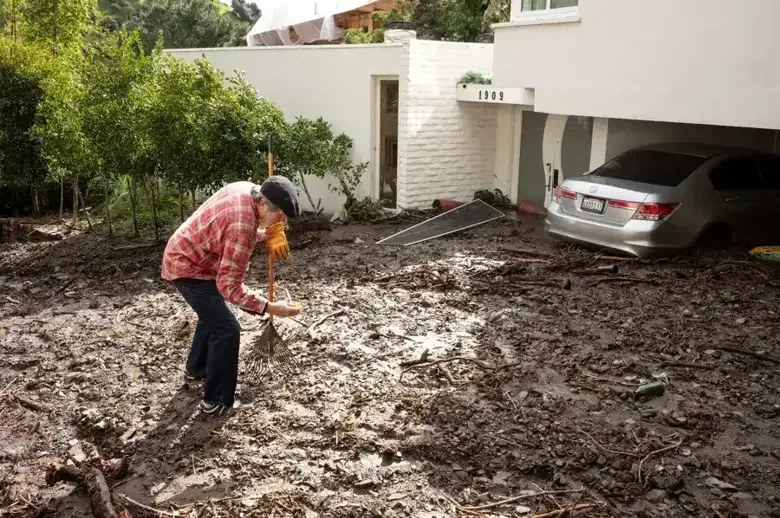 Storm Water Damage in BeltonWeather entry brings exterior contact and possible debris, making containment and cleaning necessary before air movement begins inside.See the service
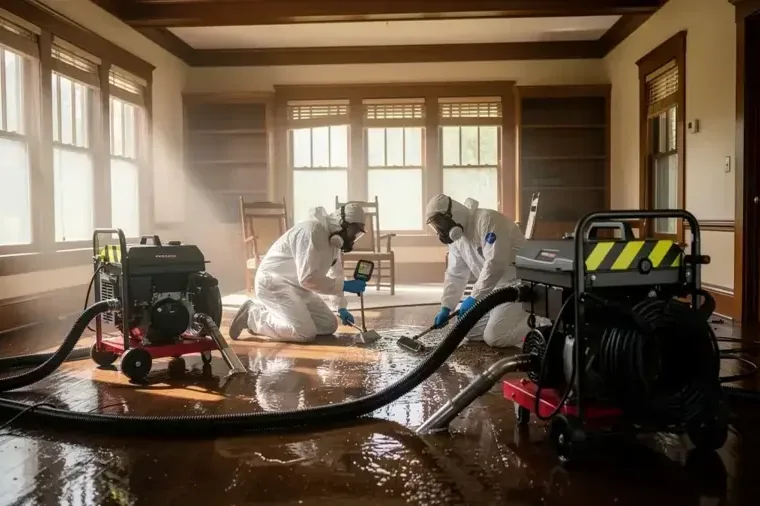 Sewage Backup Cleanup in BeltonCategory 3 work restricts entry, contains debris, removes contacted porous materials and documents cleaning before the dryout phase starts.See the service
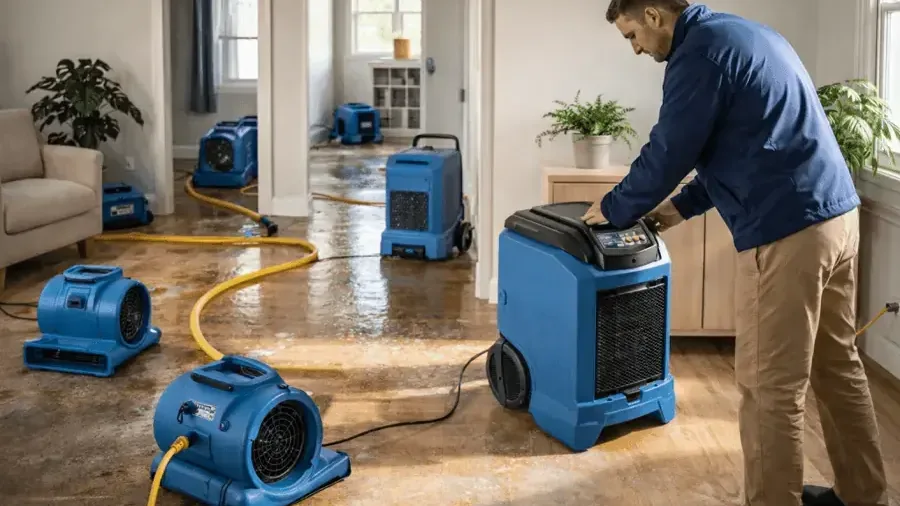 Structural Drying in BeltonRepeat measurements show whether airflow and dehumidification are moving retained materials toward the recorded goal.See the service
Flood Cleanup in Harker Heights Water damage restoration in Belton
Flood Cleanup questions in Belton
Water reaching another room?
The response team assesses the affected rooms and source status before coordinating extraction and measured drying.
(888) 926-4485Discuss the wet roomsDoes living near a creek establish flood damage?
No. Water features provide geographic context, while property flood status and an indoor loss require separate evidence. The cleanup boundary comes from observed contact. Entry routes and traffic paths are assessed independently.
Why is outdoor water Category 3?
It can contact soil, debris and contaminants before entering. The response therefore restricts access and controls removal, cleaning and equipment sequencing.
Can clear floodwater be treated as sanitary?
No. Appearance does not reveal the outdoor contact path. Water origin, not visual clarity, sets the initial contamination approach for cleanup.
What happens to lower drywall?
Contact, integrity and access determine removal height. The crew documents water marks and cavity conditions instead of applying one cut dimension everywhere.
Can concrete or framing remain?
Often, when it is sound, accessible and suitable for physical cleaning. Treatment records and drying measurements support the decision for each retained surface.
How are contents sorted?
Items are photographed and grouped by exposure, absorbency and condition. Protected, treatable, specialist and discarded groups follow separate handling routes. Accessibility and physical condition remain part of retention decisions.
When does drying begin?
After extraction, unsuitable porous removal and documented cleaning of retained surfaces. Controlled airflow then addresses moisture without spreading untreated contamination. The opening stays controlled while equipment operates, and technicians continue material readings throughout the drying phase.
Flood Cleanup in Belton? Call now.
Emergency dispatch operates 24/7. The restoration team documents extraction, material removal and the readings that support the drying goal.
- Belton, TX and nearby towns
- Emergency dispatch through nights and weekends
- Find us on Google