Water Damage Restoration Salado, TX
Water can leave the visible floor while remaining behind trim, beneath finishes or inside insulation. Restoration personnel classify the source, recover accessible liquid and measure retained construction so cleaning, access and drying decisions follow the building itself.
(888) 926-4485Explain where water appeared- 24/7 emergency dispatch
- Measured material boundaries
- Category controls recorded
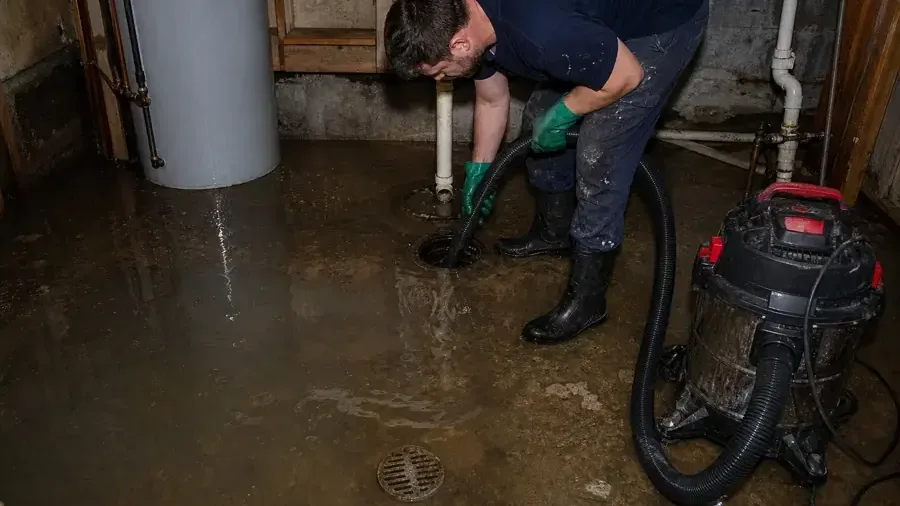
Protect people and preserve the first evidence
- 1
Use a reachable shutoff only when standing water, wet electrical parts and unstable overhead finishes are absent from the route.
- 2
Keep occupants outside rooms containing sewage, outdoor water, a sagging ceiling or any source that has not been identified safely.
- 3
Photograph from dry ground before moving contents, wiping marks or opening finishes that show how water traveled.
- 4
Report the source status, affected rooms and access concerns so dispatch can prepare for the property assessment without assuming conditions.
Water Damage Restoration Services in Salado, TX
The origin, contamination and construction layers determine which service sequence safely protects the occupied space and retained materials.
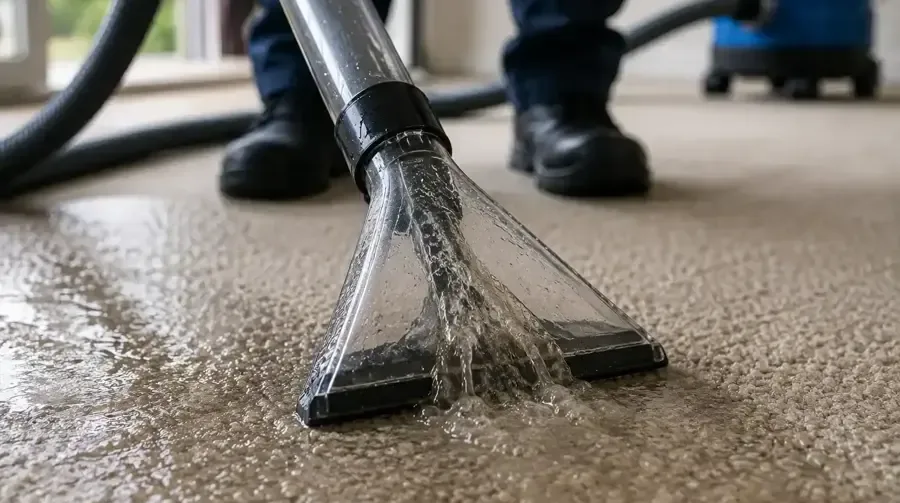 Water ExtractionExtraction recovers open liquid, then a moisture map follows flooring seams, walls and thresholds beyond the visible edge.See the service
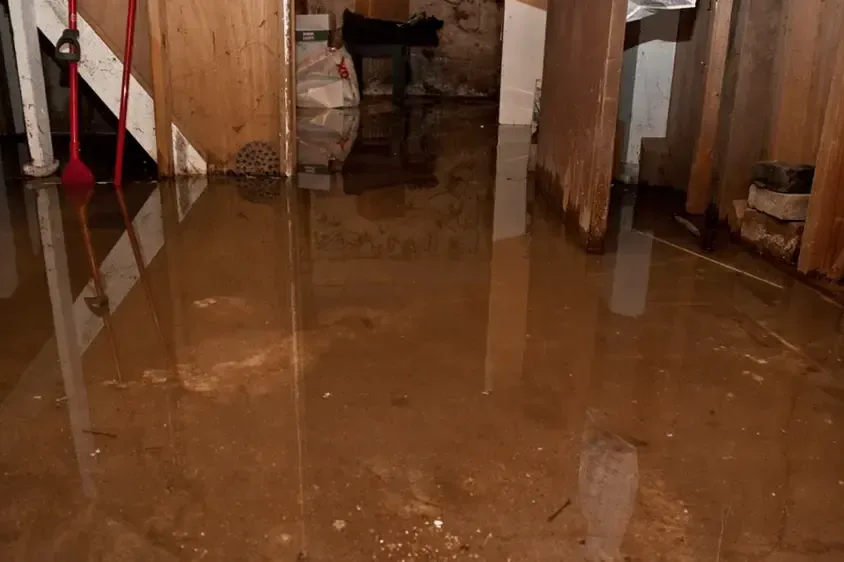 Basement Flooding CleanupAt a property with a basement, access, utilities, water origin and lower finishes are assessed before removal begins.See the service
 Frozen Pipe Water DamageThawing plumbing requires safe shutoff and pipe repair before cabinets, walls or ceilings receive restoration access.See the service
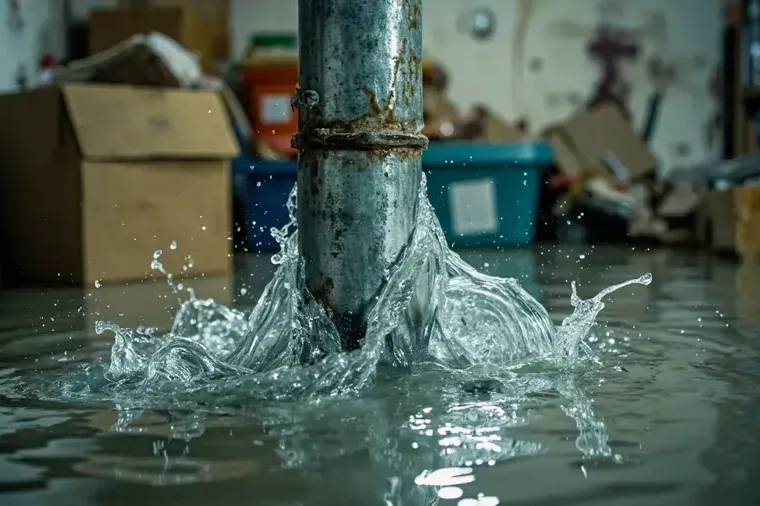 Burst Pipe CleanupPressurized spray can reach upper cavities and adjoining rooms, making height and gravity paths part of the inspection.See the service
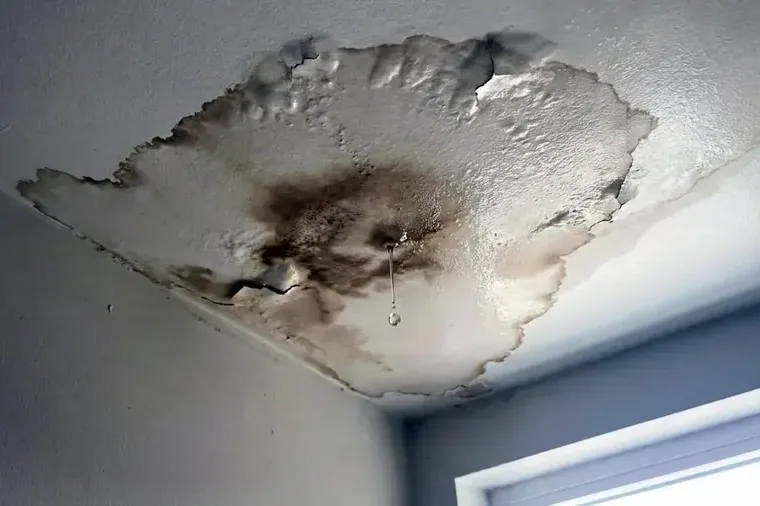 Roof Leak Water DamageAfter exterior control, personnel trace rain through roof layers, insulation, framing and interior finishes along the confirmed route.See the service
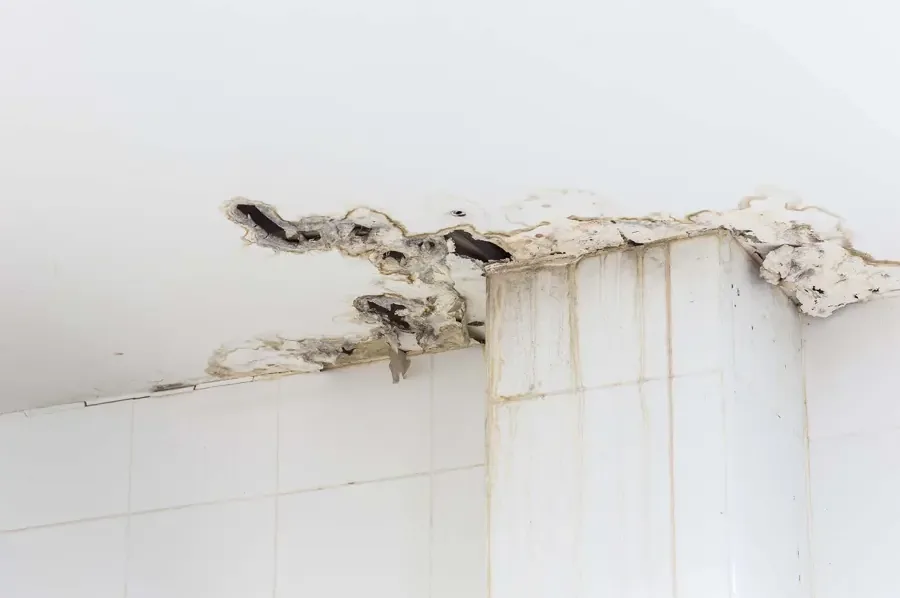 Ceiling Leak Water DamageA changing ceiling calls for a protected room below, source findings above and careful evaluation of each cavity material.See the service
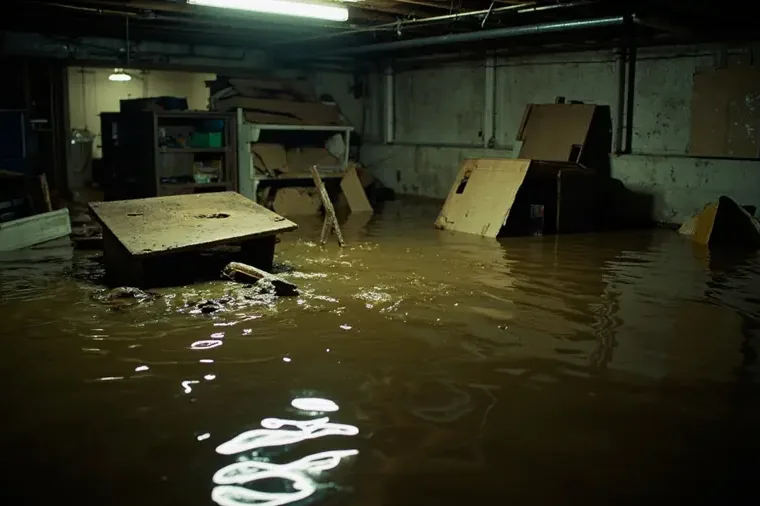 Sump Pump Failure CleanupWhere a sump actually exists, cleanup separates equipment correction from returning water, contamination and lower-level material work.See the service
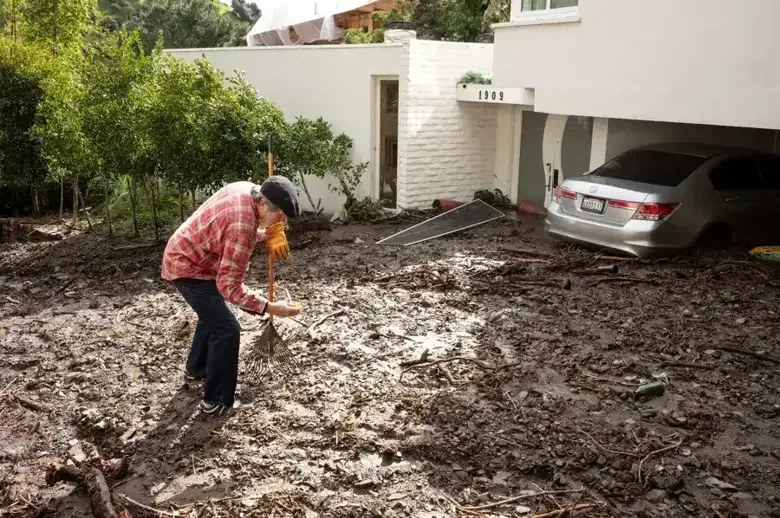 Storm Water DamageWeather entry requires exterior stabilization, controlled debris handling and cleaning before airflow reaches retained indoor construction.See the service
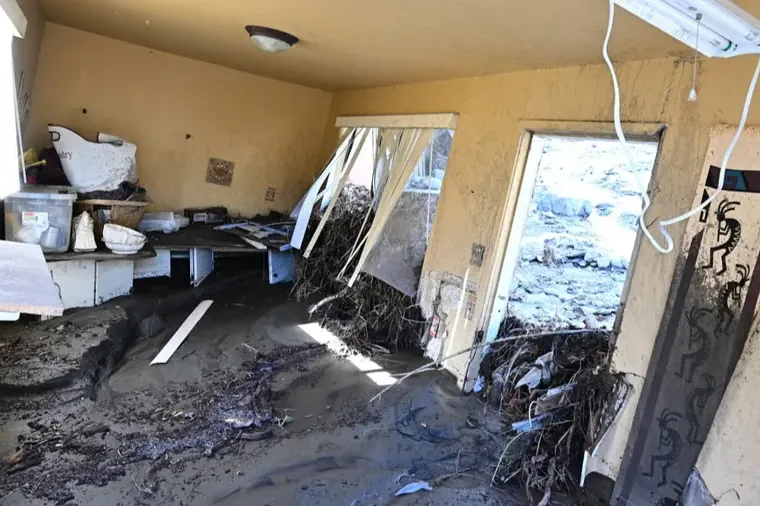 Flood CleanupOutdoor water begins as Category 3, bringing access restrictions, porous removal and documented treatment before structural drying.See the service
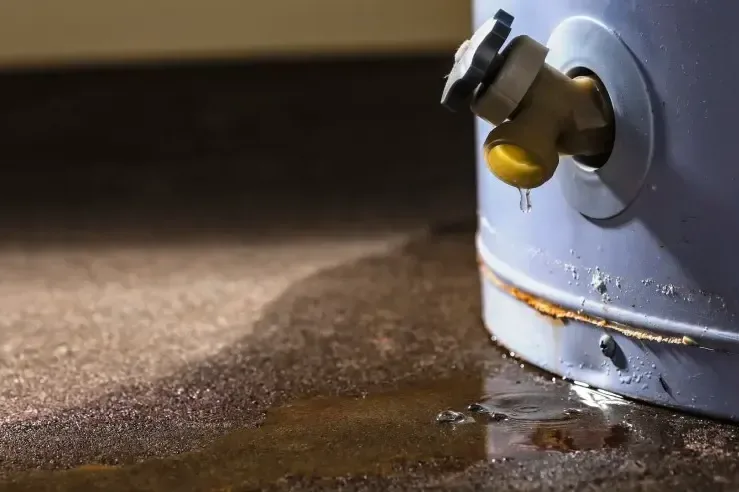 Water Heater Leak CleanupTank discharge may hide beneath a platform or floor and cross the utility-room threshold after open pooling disappears.See the service
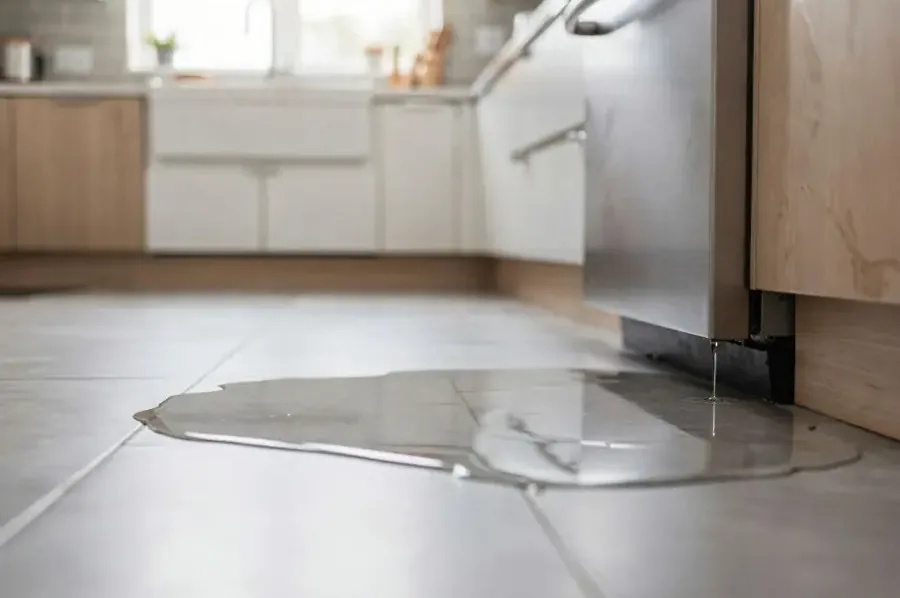 Appliance Leak Water DamageAppliance water can travel below cabinets and continuous flooring, requiring checks outside the immediate kitchen or laundry footprint.See the service
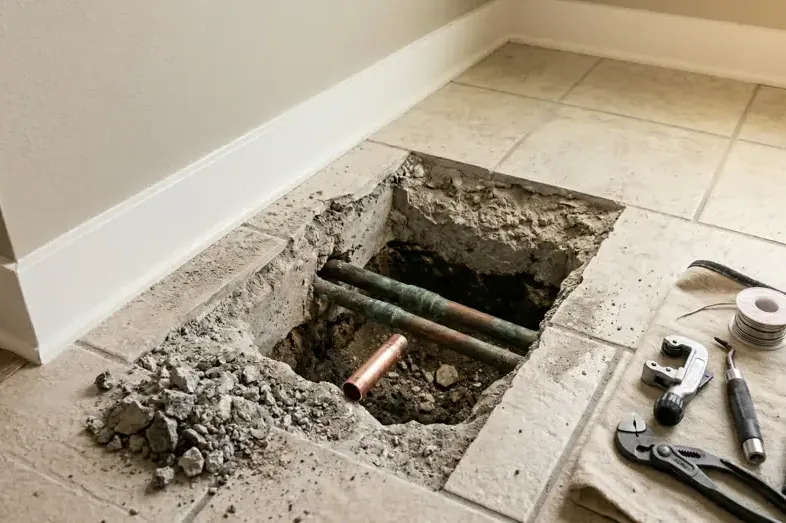 Slab Leak Water DamageA diagnosed pipe release beneath concrete leads to coordinated repair access and moisture mapping of finishes above it.See the service
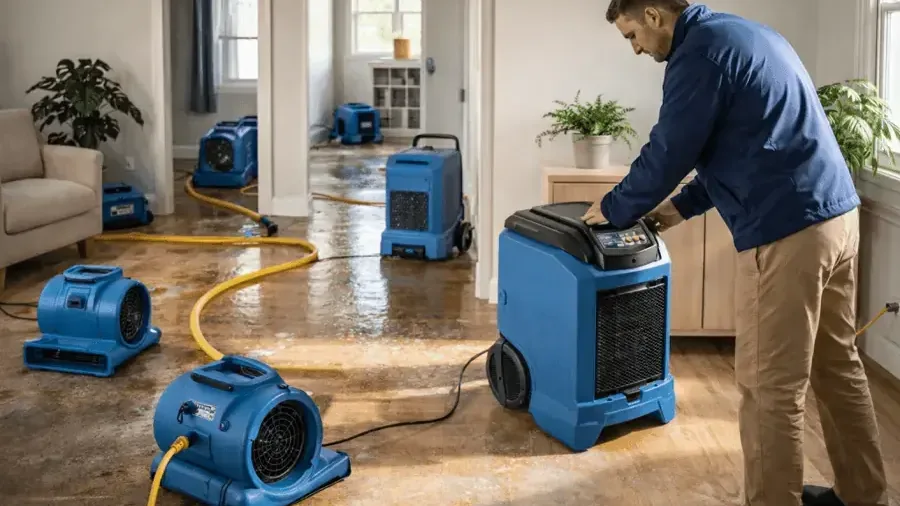 Structural DryingFixed checkpoints show whether controlled airflow and dehumidification are changing retained framing, subfloors and wall materials.See the service
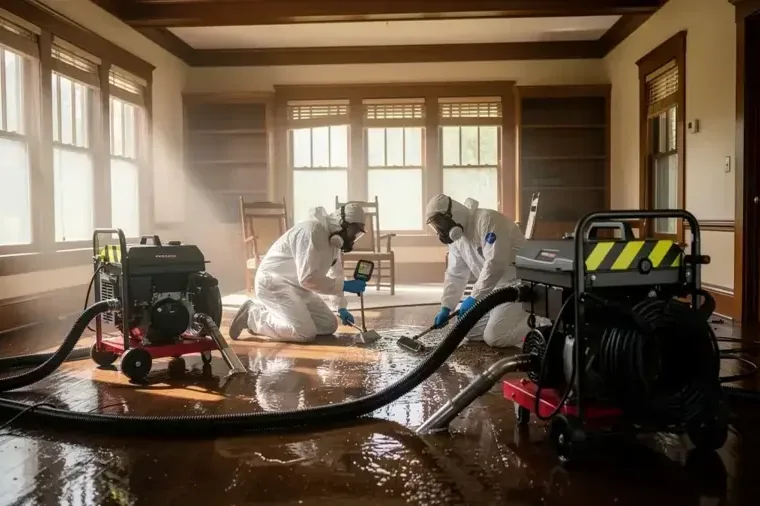 Sewage Backup CleanupCategory 3 response contains traffic, removes affected porous material and records surface treatment before dryout equipment operates.See the service
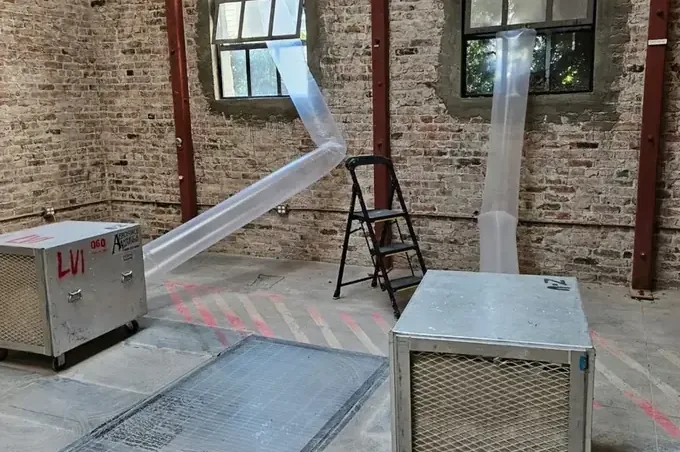 Commercial Water DamageBusiness properties need defined access, contents tracking and operating zones alongside extraction, cleaning and assembly monitoring.See the service
How restoration decisions stay connected
Each stage preserves the evidence needed for the next material or safety decision.
- 01
Control hazards and entry
Personnel identify electrical concerns, unstable finishes and contamination before establishing a dry approach. The appropriate trade addresses the failed pipe, roof, appliance or building system.
- 02
Measure the water route
Photographs and readings define rooms, layers and cavities reached by the loss. Suitable dry comparisons turn later measurements into meaningful evidence of material change.
- 03
Remove liquid and unsuitable material
Extraction lowers the water load. Contamination, physical damage and blocked access determine which porous finishes leave before cleaning and equipment placement.
- 04
Track retained construction
Technicians revisit labeled points, observe room conditions and adjust the setup where progress differs. Closing readings explain equipment removal and remaining repair work.
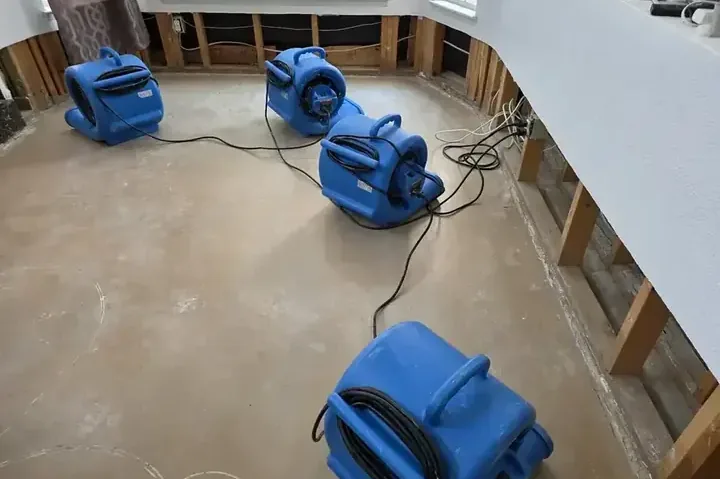
Salado restoration for wet rooms and concealed layers
Salado developed along Salado Creek, with shops, lodging and restaurants on Main Street. After water enters, the assessment checks access, source control and the route beneath finishes. Wet trim, flooring and cavities receive separate readings before removal or drying.
Royal Street adds varied commercial settings to the village. Occupied spaces need clear equipment routes and careful contents handling. Room records keep belongings, removed finishes and measurement points organized through cleanup and the repair handoff.
Safe access established
The response identifies current water movement, electrical exposure, unstable materials and contamination before tools enter the affected rooms.
IICRC S500 drying standard
Category, material class, dry references and repeated readings support extraction, controlled evaporation and defensible completion decisions.
Claim evidence assembled
Timestamped photographs, moisture maps, equipment notes and material outcomes create a traceable record without deciding insurance coverage.
Planning around occupied spaces
Equipment routes and contents staging are agreed with the property contact so extraction and drying can proceed through the affected rooms.
What does local water damage restoration cost?
A limited accessible clean-water project may begin around $900 to $2,400, while extensive contaminated work can exceed $12,500. Area, category, finish layers, contents and access change the scope. Inspection connects those drivers with conditions in the property.
Small accessible release
$900 to $2,400
- One contained water area
- Limited finish involvement
- Focused equipment and moisture monitoring
Several affected spaces
$2,400 to $6,800
- Water beyond one room
- Cavity or floor access
- Multiple measured material drying zones
Large contaminated project
$6,800 to $12,500+
- Category 3 controls
- Broad cleaning, removal and containment
- Contents and repairs separate
Compare assumptions with the restoration cost calculator, then use the property assessment for the written work scope.
Water damage dried to the IICRC S500 standard
A dry-looking surface does not settle the condition behind it. Extraction removes recoverable liquid, airflow supports evaporation from exposed wet materials, and dehumidification manages vapor released into the room. Repeat measurements show whether each retained layer is reaching its recorded goal.
- Source status documented
- Affected layers identified
- Daily trends compared
- Closing results preserved
Documentation for your insurance claim
The file records source observations, water category, material boundaries, photographs before removal and repeat moisture locations. Equipment changes and cleaning steps connect the initial loss with the completed work.
Policy terms control coverage. The owner can ask the insurer how sudden plumbing water differs from outdoor flooding, while restoration personnel supply factual documentation without promising payment or interpreting the policy.
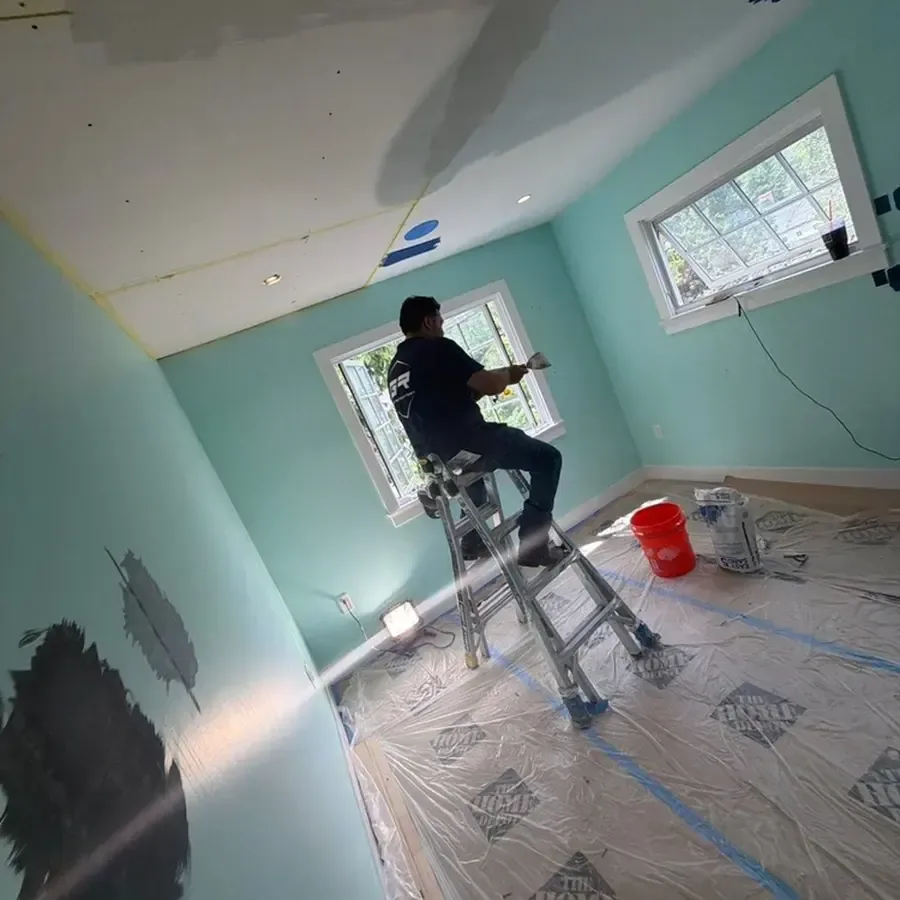
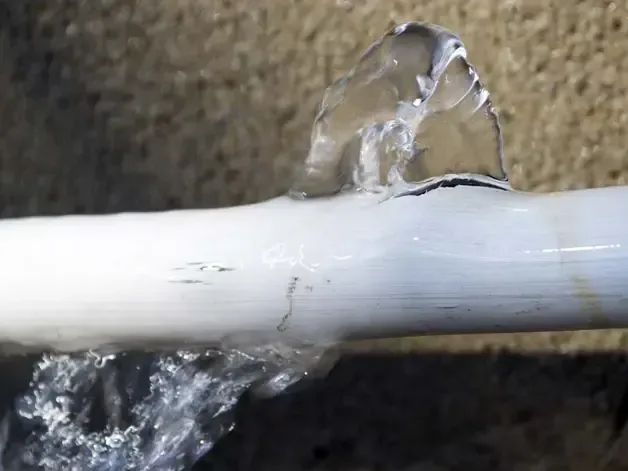
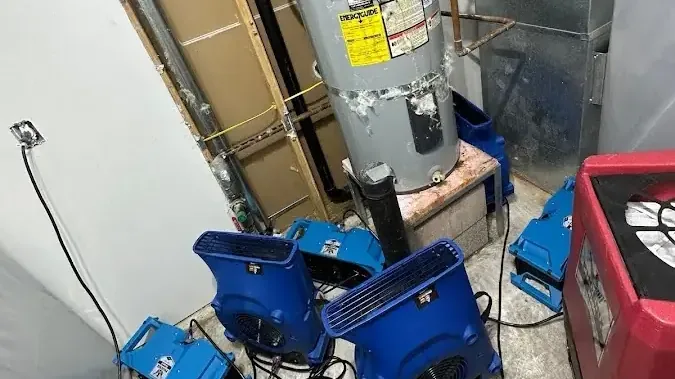
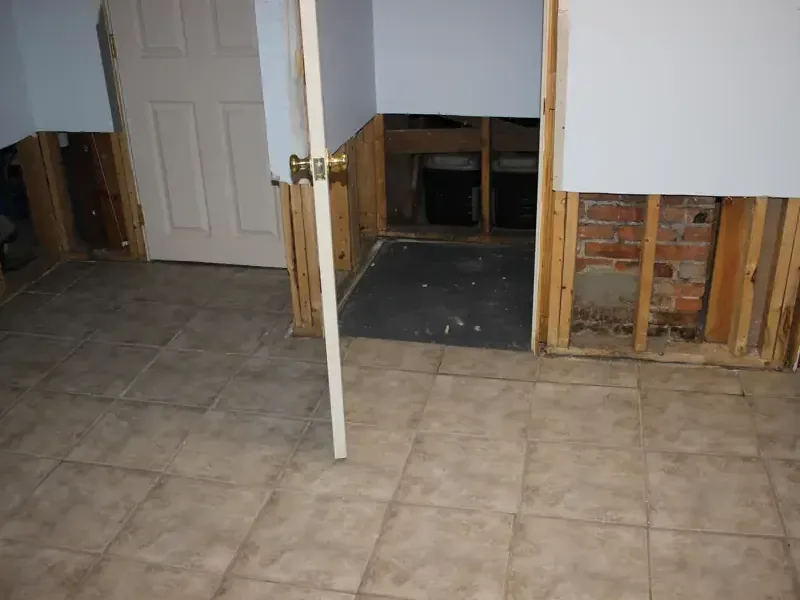
What documented restoration work can look like
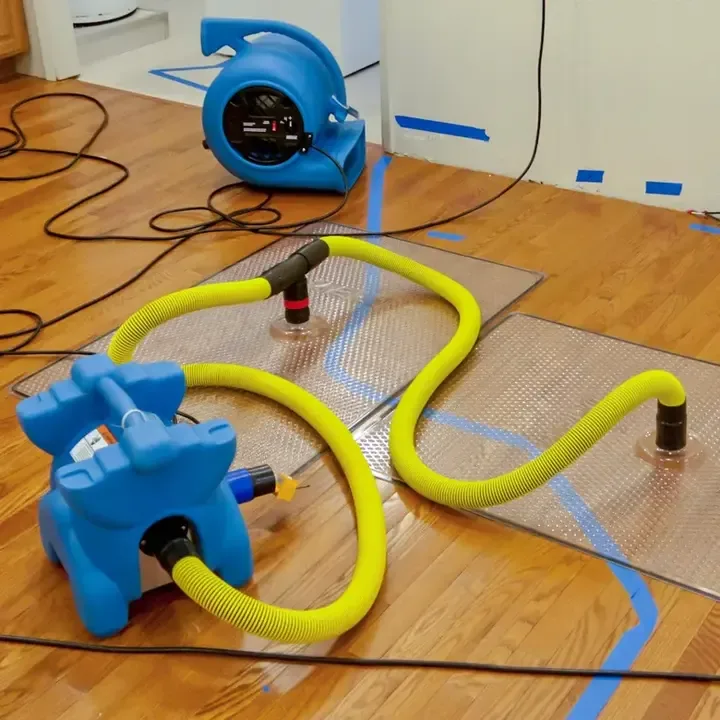
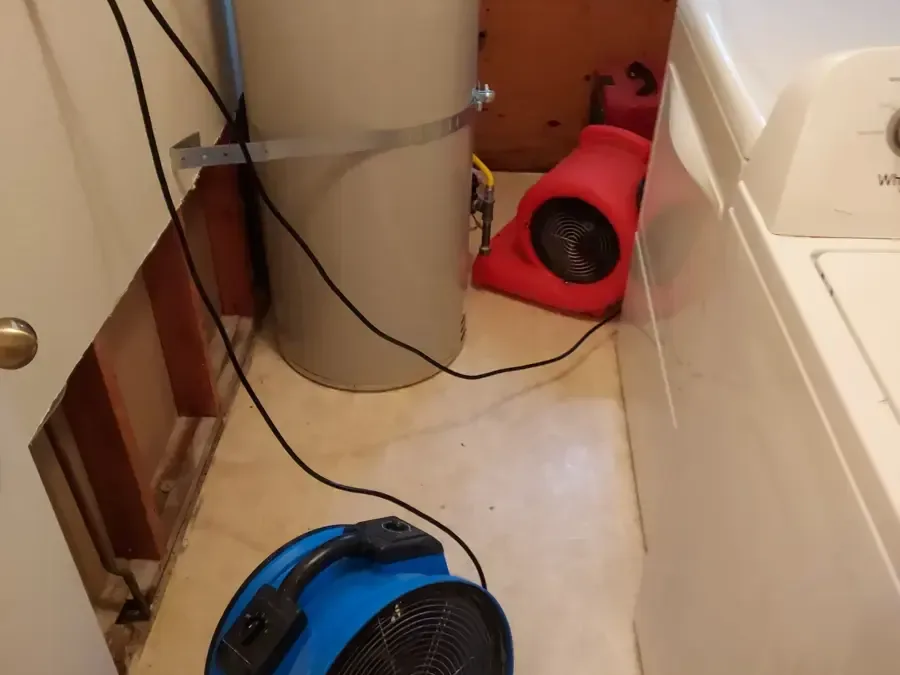
All three water damage categories covered
Sanitary supply source
Supply water can begin sanitary, while elapsed time and contacted materials may change the handling found during assessment.
Water with contaminants
Used appliance discharge or another affected source requires evaluation of exposure, absorbent finishes and cleaning access.
Sewage or outdoor entry
Containment, PPE, porous removal and surface treatment occur before controlled drying in a grossly contaminated area.
See sewage cleanup stepsWater damage coverage in Salado
Service covers ZIP area 76571, including Main Street, Royal Street and the College Park area. The property layout and current water conditions direct access and equipment placement.
ZIP area
Village coverage
- Main Street
- Royal Street
- College Park
Additional service towns
One call reaches water damage pros, 24/7
The caller can describe the water source, rooms, active movement and any electrical, sewage or ceiling concern. Dispatch uses those facts for preparation; technicians still inspect materials and contamination before selecting extraction, removal or drying methods.
Water damage in Salado, TX: creek, rain and building access
Restoration work starts with the route water took inside. Exterior correction, contaminated-material handling and controlled drying are coordinated around the affected rooms.
- Salado Creek runs through the village and was selected as the first Texas Natural Landmark.
- The village lies along the Balcones Fault, where surface water emerges.
- Very large hail was reported on Salado Oaks Drive during the April 2024 storm.
- The village published a Salado Floodplain Map in 2025.
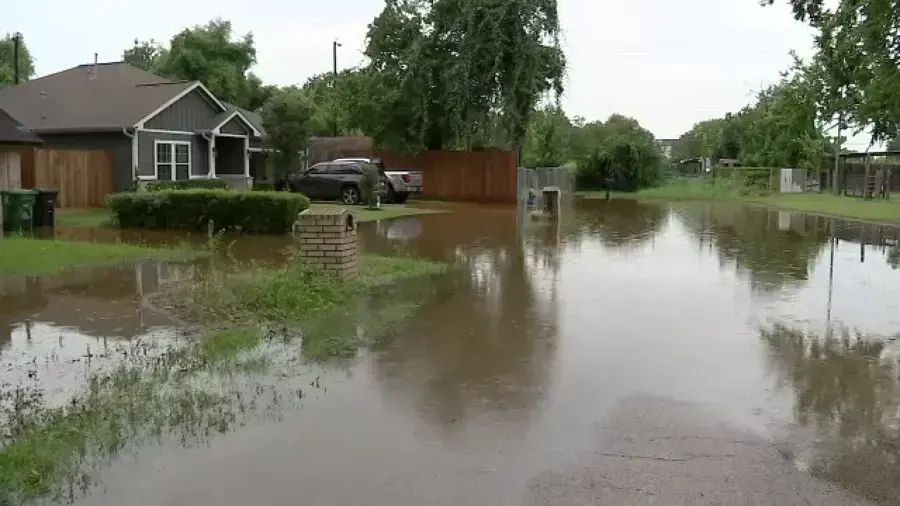
Local water damage restoration questions
Moisture beyond the visible mark?
Technicians compare wall edges, floor layers and connected rooms before settling the affected material boundary.
(888) 926-4485Describe the water routeWhat information helps during emergency dispatch?
Useful details include the water origin if known, source status, affected rooms and hazards such as wet electrical components, sewage or a sagging ceiling. The inspection still determines category, material boundaries and equipment rather than relying on a caller to diagnose concealed construction.
Does proximity to Salado Creek establish flood status?
No. The creek is a confirmed landmark and the village publishes an official floodplain map, but a property-specific designation must come from the appropriate map. Indoor cleanup also needs evidence of actual entry, contamination and contacted materials before a scope can be described.
How is open water connected to structural drying?
Extraction recovers liquid from accessible surfaces. Measurements then identify moisture held in subfloors, framing, insulation or drywall. The water extraction process shows how those findings become equipment zones and repeat checkpoints rather than ending when the floor looks clear.
What changes when outdoor water enters?
Outdoor contact begins as Category 3. Occupants stay outside, traffic paths are contained, contaminated porous materials receive removal decisions and retained hard surfaces are cleaned. Controlled drying follows those steps so air movement does not distribute untreated soil through the interior.
Can historic context identify a building assembly?
No. Salado College, Stagecoach Inn and Main Street provide verified history and commercial context, but none establishes construction inside another property. Technicians identify the actual flooring, walls, framing and plumbing access at the affected building before making material decisions.
Who handles the failed source?
The appropriate plumbing, roof, appliance or mechanical trade diagnoses and repairs the failed component. Restoration personnel document source status, remove water, clean affected materials and manage drying. Keeping those scopes distinct makes the project record easier to understand.
Why can equipment positions change during drying?
Different materials and rooms release moisture at different rates. Repeat readings may show that one zone is improving while another needs added access or redirected airflow. Each adjustment is recorded with the material trend, room conditions and remaining wet surfaces.
What documentation supports an insurance submission?
The restoration record can include source observations, photographs, category, moisture boundaries, material decisions, cleaning steps, equipment notes and daily readings. The insurer applies policy language and determines coverage; restoration documentation supplies evidence without deciding which expense qualifies.
Can a price range replace a property visit?
No. Planning ranges assume conditions about area, contamination and access. Layered finishes, contents, utilities or concealed cavities can change actual work. An on-site assessment records those variables and produces a scope tied to observed materials rather than a generic room count.
Water is affecting the property?
Report the source and rooms so the restoration assessment can trace contamination, material layers and the appropriate cleanup sequence.
- Salado, TX and nearby towns
- Emergency dispatch through nights and weekends
- Find us on Google