Basement Flooding Cleanup in Salado, TX
Basements are not assumed throughout the village. When an affected building actually has one, cleanup begins with stair access, electrical conditions, the water origin and the materials contacted at the lowest occupied level and storage areas.
(888) 926-4485Describe the lower level- 24/7 dispatch
- IICRC S500 drying standard
- Truck-mounted extraction
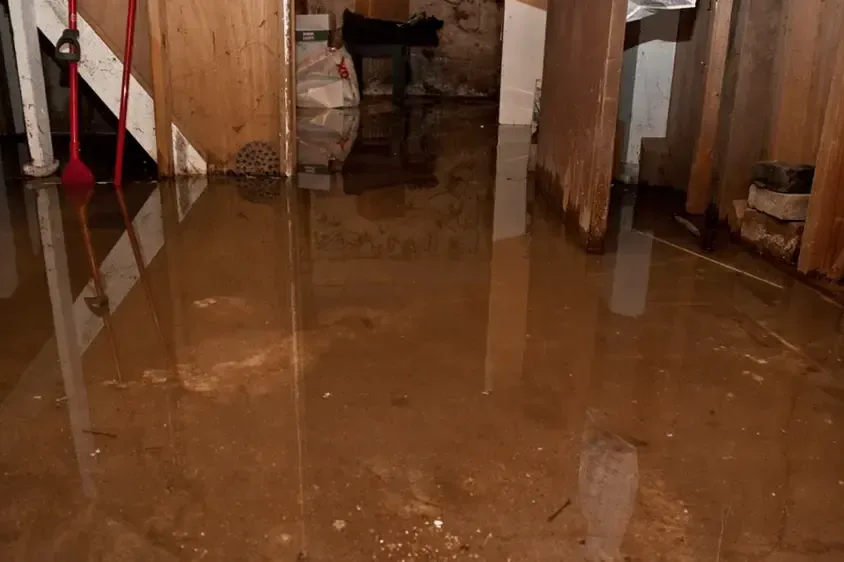
What to do the moment you find water in a basement
- 1
Do not enter blindly
Stay upstairs when water contacts electrical equipment, the stair path is unstable or the source may be sewage or outdoor runoff. Qualified personnel should establish entry conditions first.
- 2
Identify the water route
Look for foundation openings, plumbing discharge, drain backup or water descending from an upper floor. The observed origin determines controls and which trade must stop continued entry.
- 3
Lower the water carefully
Pumping sequence considers depth, structural conditions and the possibility of continuing exterior pressure. Technicians document the water line and visible changes while removal progresses.
- 4
Open only where evidence leads
Wall finishes, insulation and flooring are evaluated after water removal exposes them. Category, physical damage and trapped moisture determine selective access, cleaning and drying decisions.
How basement flooding cleanup is handled in Salado
Finished lower rooms
Drywall, trim and floor coverings are assessed by water category and physical condition. Selective openings provide access to concealed framing without treating every finished basement in the same way.
Unfinished material zones
Exposed concrete and framing make some observations easier, but cavities, stored contents and sill areas still require separate checks. Cleaning occurs before drying where contaminated water made contact.
Stairs, utilities and contents
The route into the basement is part of the work zone. Furnaces, panels and stored belongings receive documented clearance or trade evaluation, while restoration activity stays within qualified scope.
What does basement flooding cleanup cost in Salado, TX?
Basement cleanup cost reflects water depth, origin, square footage, finish layers, contents and safe access. These ranges apply only when a property has a basement. Structural repair and source correction are priced separately.
Limited lower-level area
$1,100 to $3,200
- Accessible shallow water with safe access
- Small finish boundary
- Focused drying setup
Finished basement impact
$3,200 to $8,900
- Several material layers through defined zones
- Contents handling needed
- Wall access and monitoring
Extensive contaminated loss
$8,900+
- Category 3 procedures after contamination controls
- Broad porous removal
- Specialty work separate
Compare the loss using the water damage cost calculator. The written scope depends on water category, affected materials and measured drying needs.
How basement flooding cleanup work runs, start to finish
- 01
Assess source and access
The response team reviews water in a basement, checks source control and confirms safe access, then coordinates extraction equipment and moisture assessment through 24/7 dispatch.
- 02
Map the moisture
The restoration technician marks affected rooms, compares wet materials with dry references and verifies suspected moisture with meters before choosing openings or equipment positions.
- 03
Extract and set the drying
The extraction crew removes recoverable water before the drying team balances airflow and LGR dehumidification with the room volume, water category and exposed materials.
- 04
Read daily, verify dry
The drying team records daily material readings and air conditions, adjusts the equipment when progress slows and verifies the documented drying goal before removal.
For a Salado building with a basement, the inspection begins at a dry access point and identifies stairs, utilities and incoming water. The lower room layout determines how pumps and debris can move safely while the crew checks finishes and stored contents for contamination.
Look down the stairs without entering water
Electrical equipment, loose finishes and contaminated water can make the first steps unsafe. The crew assesses the landing, source and depth before carrying equipment downstairs. Main Street, Royal Street and Salado Oaks Drive locate different parts of the village, but none predicts whether a particular building includes a basement.
Classify the source before stirring the room
A broken supply above the lower level differs from outdoor entry or a drain backup. Sewage and surface water require Category 3 containment, PPE and removal of contacted porous material. The town restoration steps places these controls within the wider response.
- Keep occupants above the work boundary.
- Record the water line before pumping.
- Separate salvageable contents by contact.
- Clean retained hard surfaces before drying.
Use the map for property questions
The Village of Salado published a floodplain map and directs people to the FEMA map service. That does not place every property near Salado Creek in a flood zone. Map status and the evidence of water inside a basement remain separate questions.
Dry the lower assembly, not just the air
Concrete can look clear while wall bases, sill areas and stored materials remain wet. After extraction and cleaning, repeat readings direct airflow and dehumidification. The main basement cleanup page provides broader service context.
Completion depends on documented material change. If framing or floor layers stop improving, personnel reconsider access and equipment rather than leaving a lower room based only on comfort or appearance.
Source control and safe access come first.
Covering Salado, TX
Service covers ZIP area 76571, including Main Street, Royal Street and the College Park area. The property layout and current water conditions direct access and equipment placement.
ZIP code 76571.
See every area servedRelated water damage services in Salado
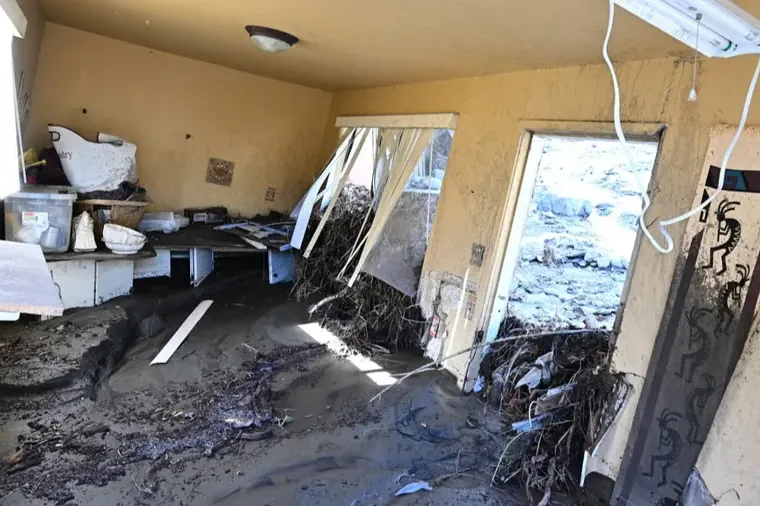 Flood Cleanup in SaladoOutdoor water begins as Category 3, bringing access restrictions, porous removal and documented treatment before structural drying.See the service
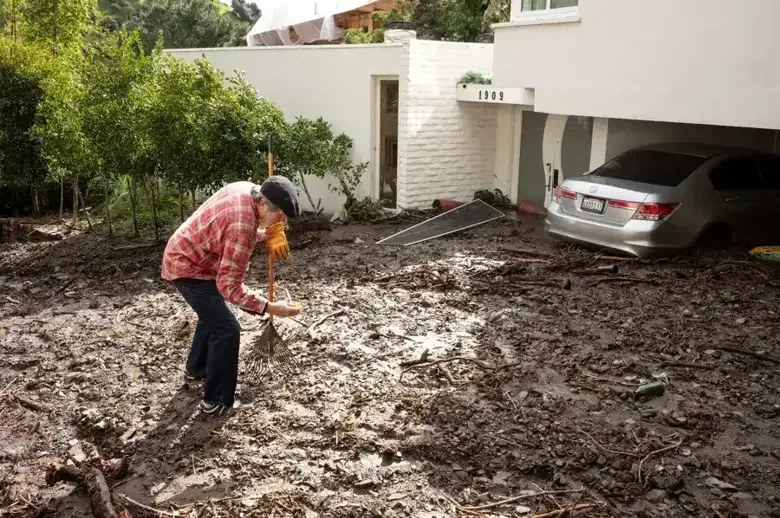 Storm Water Damage in SaladoWeather entry requires exterior stabilization, controlled debris handling and cleaning before airflow reaches retained indoor construction.See the service
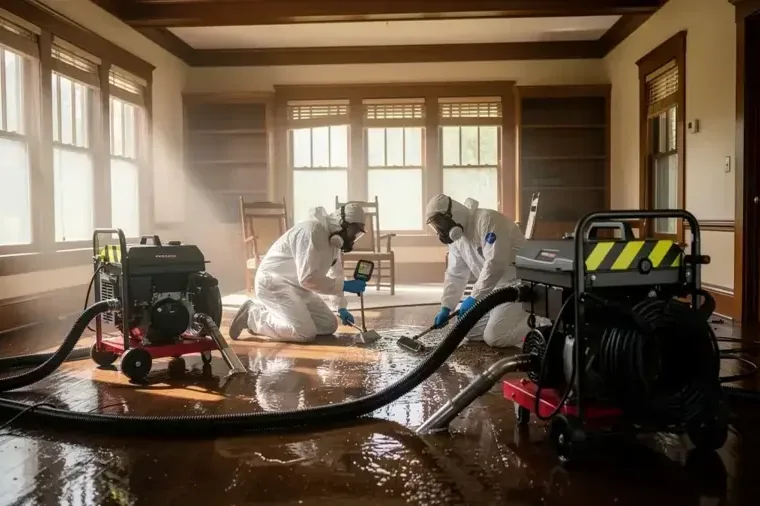 Sewage Backup Cleanup in SaladoCategory 3 response contains traffic, removes affected porous material and records surface treatment before dryout equipment operates.See the service
Basement Flooding Cleanup in Harker Heights Water damage restoration in Salado
Basement Flooding Cleanup questions in Salado
Water reaching another room?
The response team assesses the affected rooms and source status before coordinating extraction and measured drying.
(888) 926-4485Discuss the wet roomsAre basements common in this village?
The service applies to an affected basement or comparable lower-level space. Personnel inspect the actual stairs, utilities and finishes, then plan removal around access, water depth and contamination before entry into the room.
Should an occupant go downstairs to shut off power?
Not through standing water or an unstable stair area. Wet electrical equipment requires qualified evaluation, and the safer choice is to remain outside until an appropriate entry plan exists.
Is outdoor water treated differently?
Yes. Outdoor water begins as Category 3 because it can carry soil and other contaminants. Containment, PPE, porous removal and cleaning occur before drying airflow.
Does the floodplain map prove the cause?
No. An official map supports a location-specific flood question, but it does not document how water entered the building. Source observations and material evidence establish the cleanup conditions.
Can finished basement walls remain?
Category, physical integrity and moisture behind the finish shape that decision. Controlled openings may be needed to inspect insulation and framing where drying access is blocked.
What happens to stored contents?
Items are documented and separated according to contact, material and condition. Clean belongings use a protected route, while contaminated porous contents may require disposal decisions.
When can drying equipment begin?
For clean water, equipment follows extraction and access. For Category 3 water, containment, porous removal and physical cleaning must come first so airflow does not spread untreated contamination.
Basement Flooding Cleanup in Salado? Call now.
Emergency dispatch operates 24/7. The restoration team documents extraction, material removal and the readings that support the drying goal.
- Salado, TX and nearby towns
- Emergency dispatch through nights and weekends
- Find us on Google