Water Damage Restoration Harker Heights, TX
The restoration team assesses water damage in Harker Heights, removes standing water and dries affected materials to the IICRC S500 standard. Daily moisture records support each decision from the first inspection through drying verification.
(888) 926-4485Assess the water spread- 24/7 emergency dispatch
- IICRC S500 drying method
- Measured moisture progress
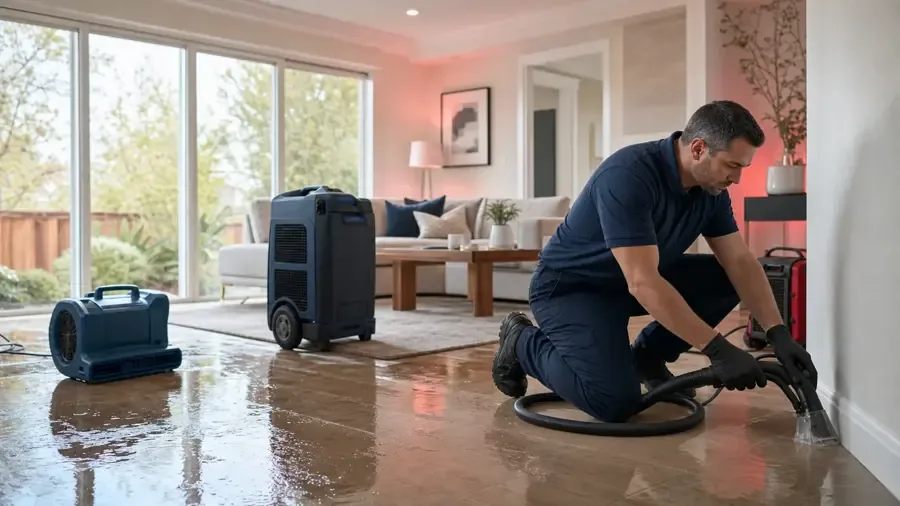
What to do while the water is still moving
- 1
An accessible shutoff can limit a clean-water release when the valve is reachable from a dry, safe position.
- 2
People and pets should stay away from wet outlets, sagging ceilings and water of uncertain origin.
- 3
Photographs from a safe location preserve the initial condition of rooms, flooring, cabinets and belongings.
- 4
The response team needs the source status, affected rooms and safe access details to coordinate the assessment.
Water Damage Restoration Services in Harker Heights, TX
Each source creates a different cleanup problem. The service scope follows the water route, contamination and materials that actually got wet.
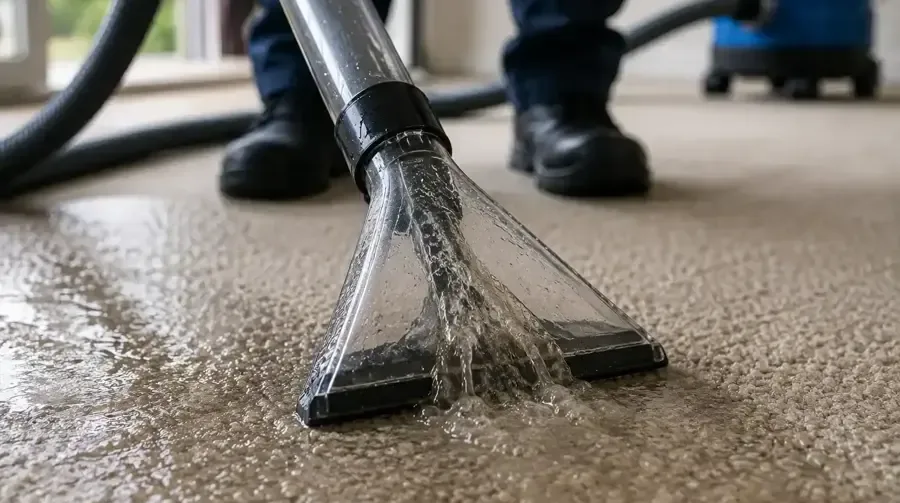 Water ExtractionThe extraction crew removes liquid water from floors and checks the damp layers left beneath them.See the service
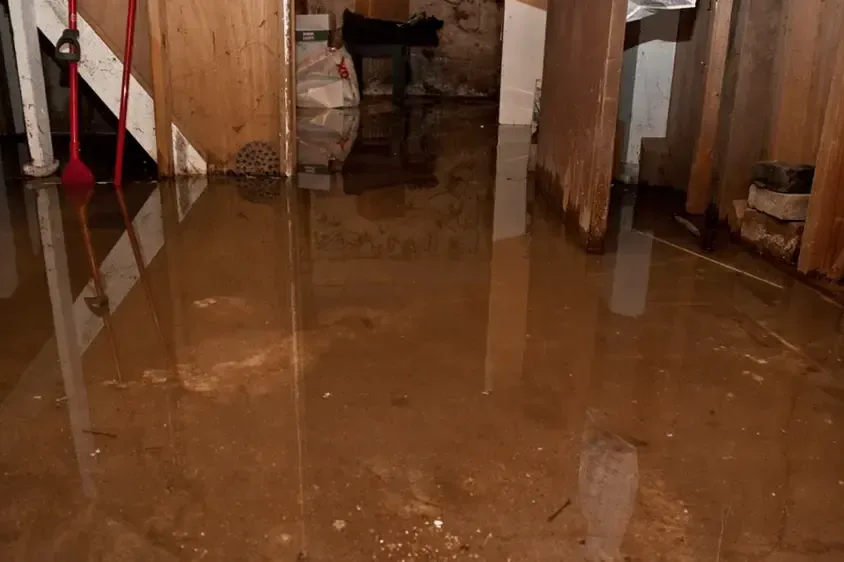 Basement Flooding CleanupFor properties with a basement, technicians assess safe pumping, wet wall bases and stored contents.See the service
 Frozen Pipe Water DamageA thawing split needs source isolation and inspection of the cavities reached by the release.See the service
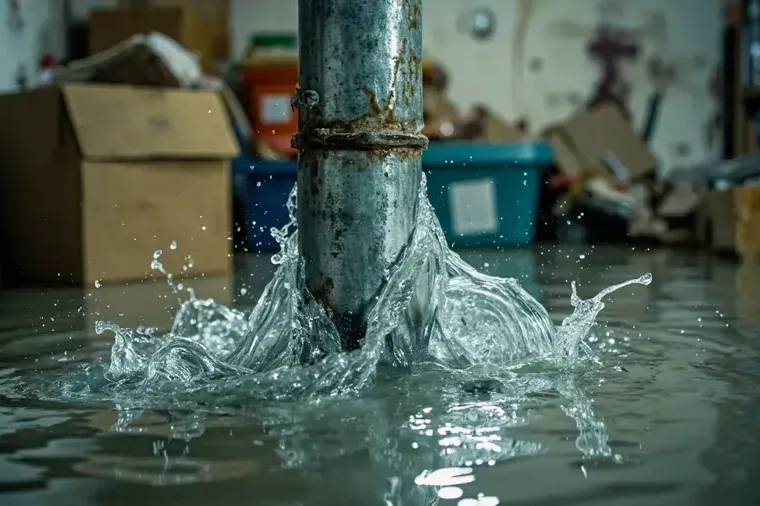 Burst Pipe CleanupThe crew follows pressurized water through adjoining rooms after the failed supply pipe is isolated.See the service
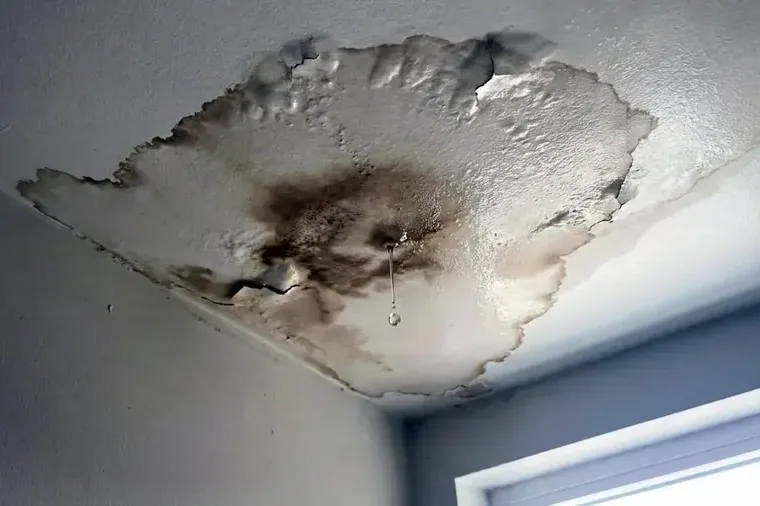 Roof Leak Water DamageTechnicians trace rain through attic materials and ceiling finishes while roof source control proceeds separately.See the service
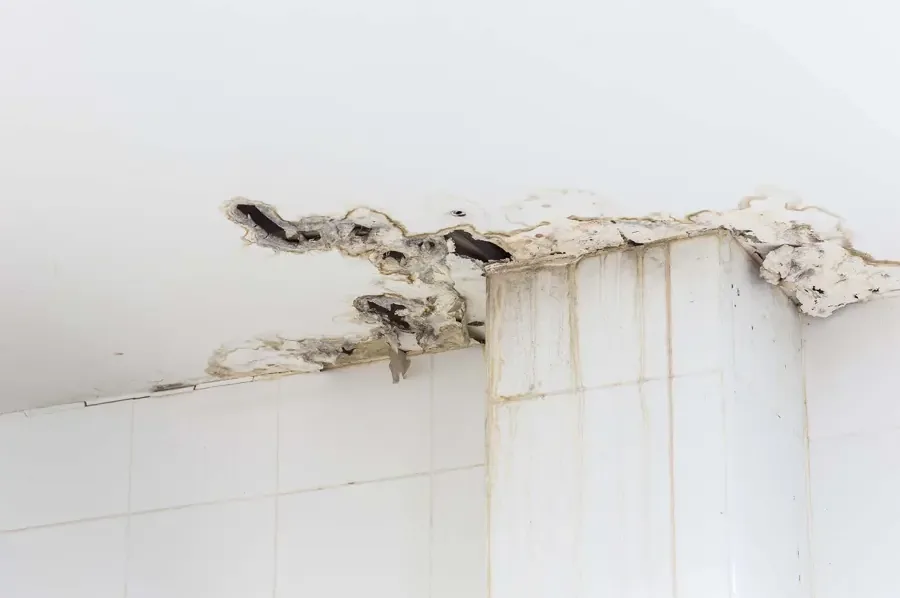 Ceiling Leak Water DamageThe assessment checks sagging finishes, wet electrical areas and the water route above the visible stain.See the service
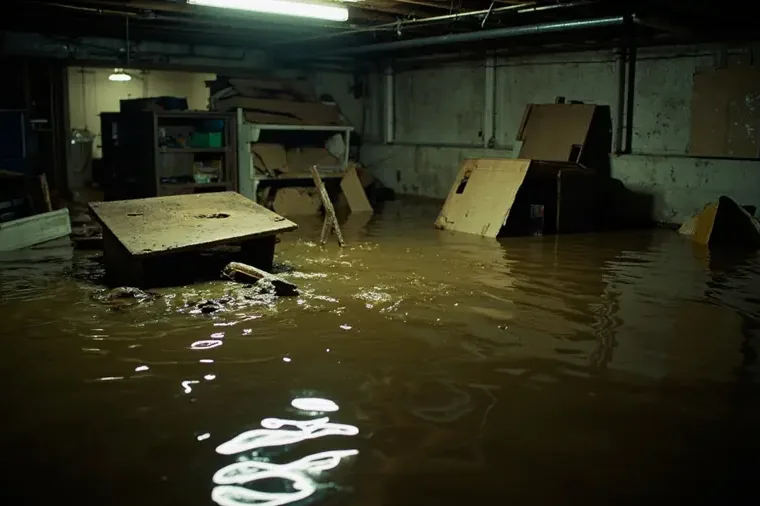 Sump Pump Failure CleanupWhere a sump exists, cleanup addresses overflow and wet materials after the pump problem receives assessment.See the service
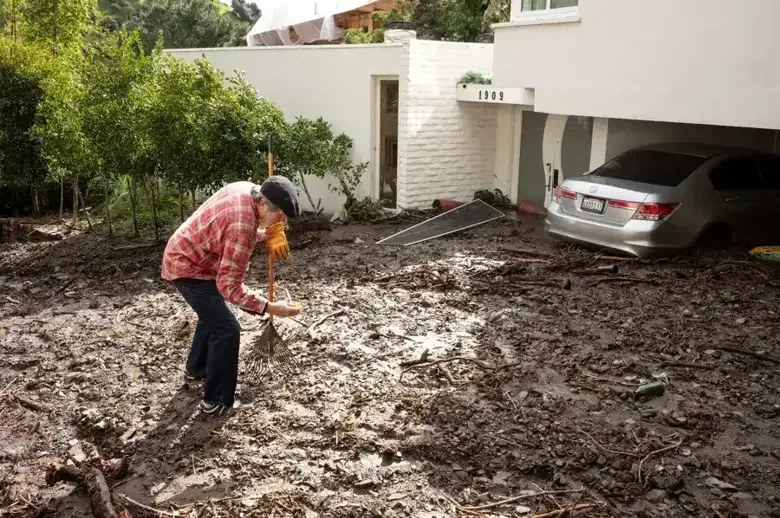 Storm Water DamageRain entering through a roof, window or wall opening needs an entry-path and contamination assessment.See the service
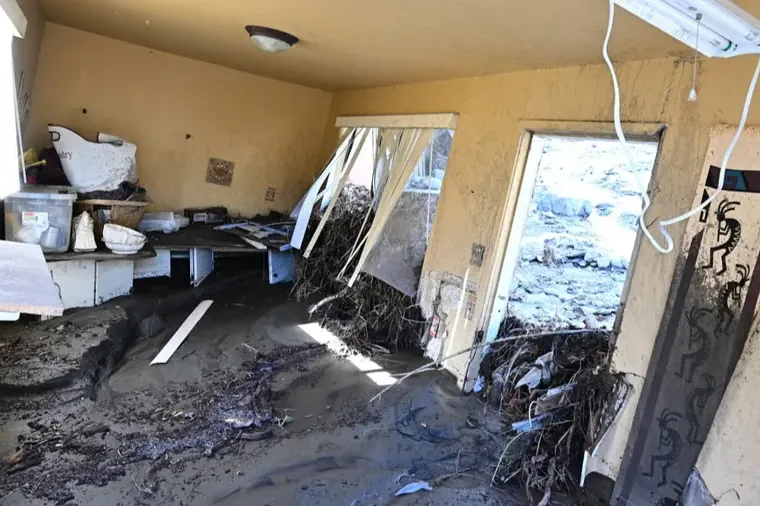 Flood CleanupOutdoor water requires controlled removal, appropriate porous-material disposal and cleaning before structural drying begins.See the service
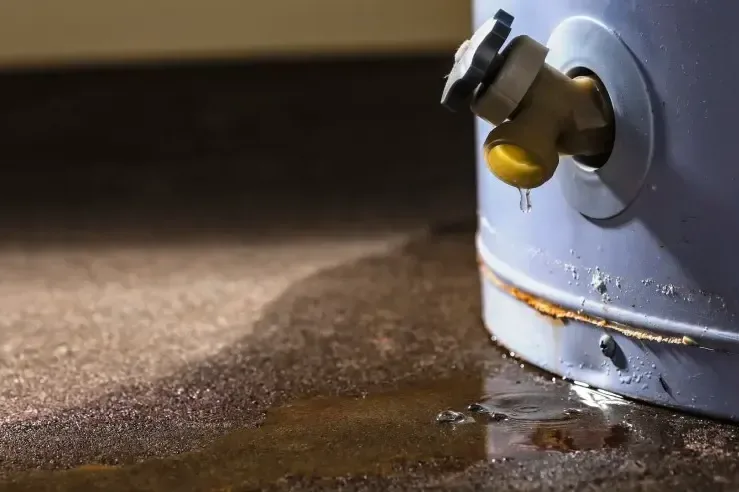 Water Heater Leak CleanupThe crew checks platforms, floor layers and wall bottoms after the leaking heater is safely isolated.See the service
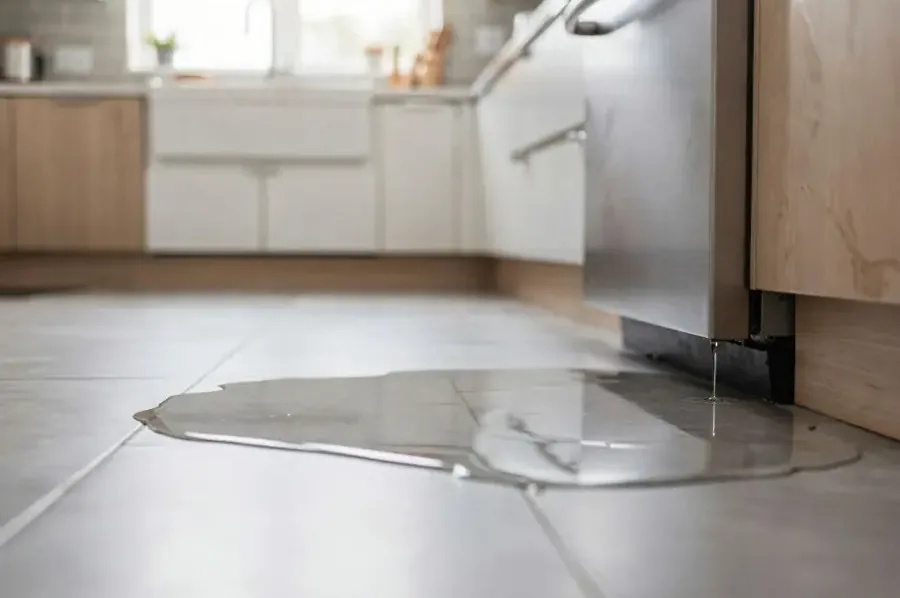 Appliance Leak Water DamageHoses, drain connections and appliance releases can send water underneath cabinets and layered kitchen floors.See the service
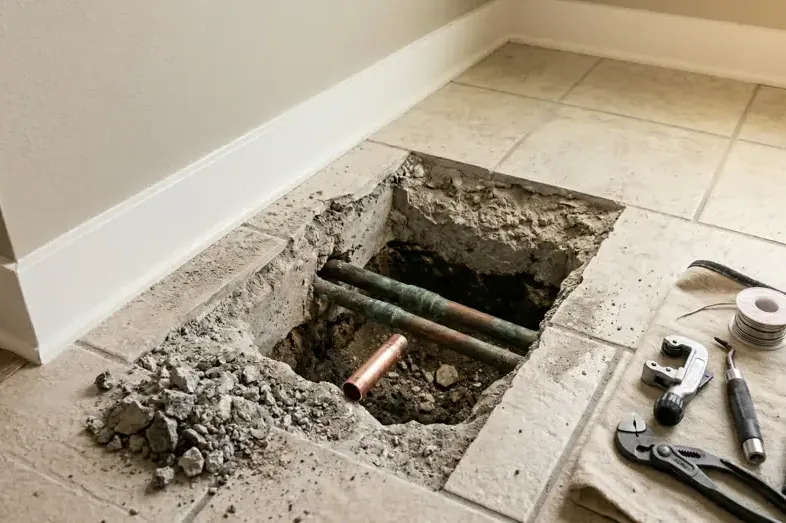 Slab Leak Water DamageA plumber establishes the concealed source while restoration technicians measure moisture in materials above the slab.See the service
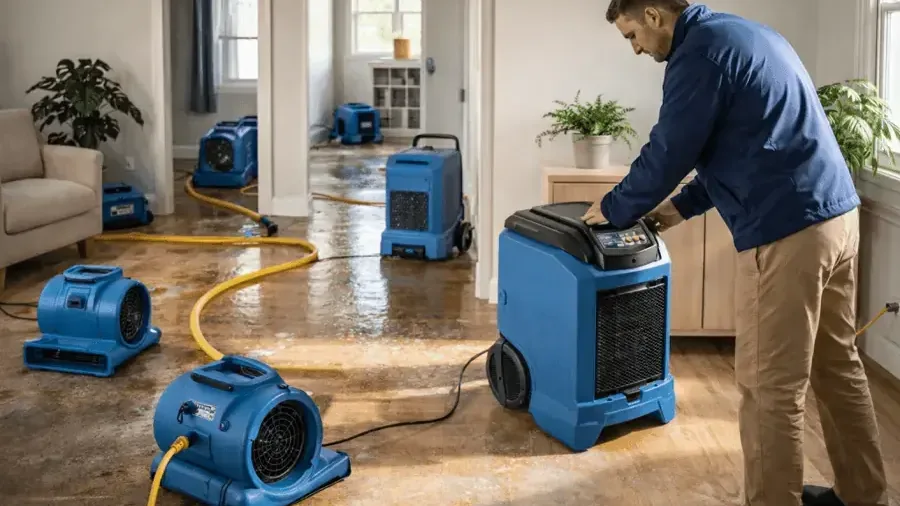 Structural DryingThe drying team balances airflow and dehumidification, then tracks the same material readings each day.See the service
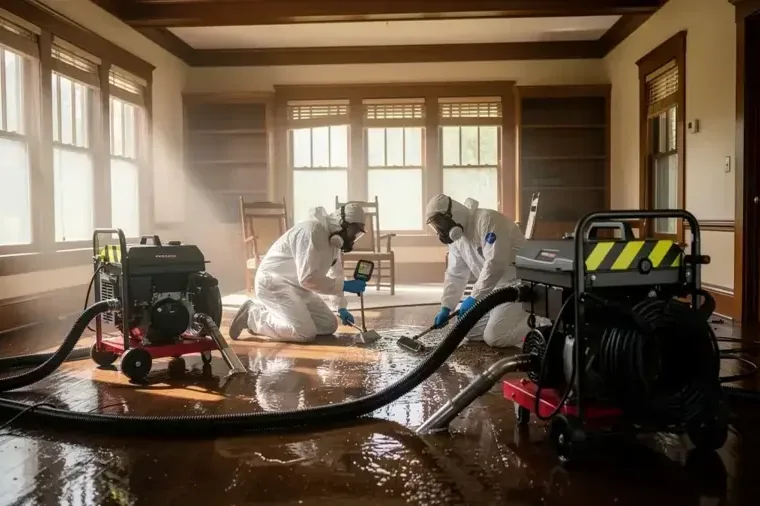 Sewage Backup CleanupCategory 3 backups need containment, protective equipment, porous-material removal and cleaning before controlled drying.See the service
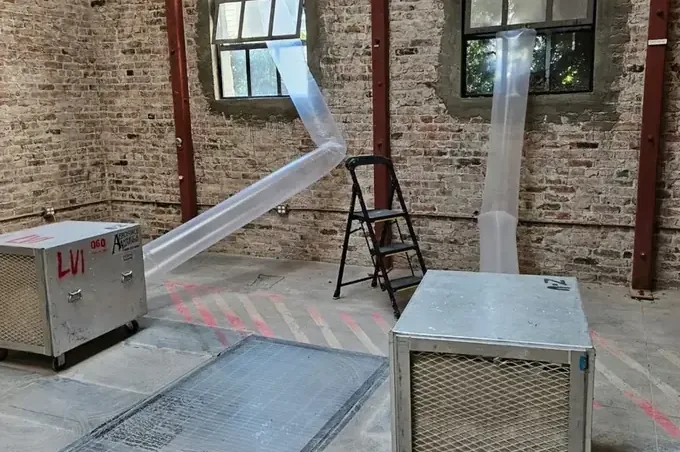 Commercial Water DamageThe response team coordinates affected rooms, business contents and safe access around the measured restoration scope.See the service
How the dry-out progresses through the building
The restoration crew keeps source control, liquid removal and drying verification in a clear sequence.
- 01
Assess the source and access
The response team checks the reported water source, utilities and affected rooms. A repair trade addresses the source while the technician establishes a safe inspection route.
- 02
Map the wet materials
The restoration technician tests likely water paths, records dry references and marks affected assemblies. The map includes concealed edges that a visible puddle cannot define.
- 03
Remove water and manage moisture
The extraction crew removes liquid water, then the drying team matches air movers and dehumidifiers to the remaining material load and available cavity access.
- 04
Record progress and verify the goal
Technicians compare daily readings at consistent points, adjust equipment when progress slows and document the drying goal before the remaining assembly receives replacement finishes.
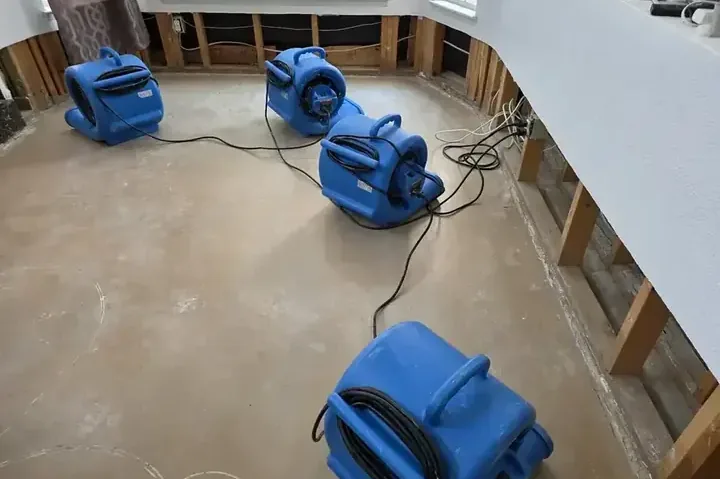
Harker Heights water damage help, day and night
The restoration assessment separates an indoor pipe release from rain entry, floodwater and a sewage backup. Water category, material condition and safe access determine what the cleanup crew can retain, remove or clean before drying starts.
A clear scope also separates source repair from the damage already inside the building. The plumber, roofer or other repair professional corrects the origin while the drying team follows moisture through the affected floor, wall and ceiling assemblies.
Rapid local response
Emergency dispatch reviews active water, access and utility concerns, then coordinates the assessment according to conditions at the property.
IICRC S500 drying standard
The drying team works from material readings, appropriate dry references and the documented moisture goal instead of surface appearance.
Claim-ready documentation
Technicians preserve timestamped photographs, moisture maps and daily air and material readings to explain the work in the claim file.
Local water experts
The technician traces the source through wet floors, walls and ceilings, then sets the equipment plan for the materials that can remain.
What does water damage restoration cost in Harker Heights, TX?
Typical water restoration planning ranges start around $900 for a limited clean-water loss and can exceed $12,500 for extensive contaminated damage. Water category, square footage, material class and how quickly drying starts shape the scope; an on-site assessment establishes the actual work.
Contained clean-water loss
$900 to $2,400
- Accessible liquid-water removal
- A limited group of wet materials
- Drying equipment and repeat readings
Connected rooms and cavities
$2,400 to $6,800
- Water beneath finishes or cabinetry
- Additional access and material decisions
- More equipment and monitoring visits
Extensive contaminated damage
$6,800 to $12,500+
- Category 3 containment and removal
- Cleaning before controlled structural drying
- Contents and repairs scoped separately
The water damage cost calculator compares planning assumptions. A written scope follows the actual source, affected area and material readings.
Water damage dried to the IICRC S500 standard
The drying team uses moisture mapping, extraction, controlled airflow and dehumidification to address retained water. Technicians compare material readings with an appropriate dry reference and keep equipment in place until the documented goal is met. A dry touch alone does not verify a cavity.
- Moisture map first
- Liquid water extraction
- Daily drying records
- LGR dehumidification
Documentation for your insurance claim
The claim file includes the moisture map, daily psychrometric logs, timestamped pre-demolition photos, category and class, and a line-item scope explaining the work.
Sudden accidental releases and outdoor flooding can have different policy terms. The property owner checks coverage with the insurer; a drying record supports review without promising payment.
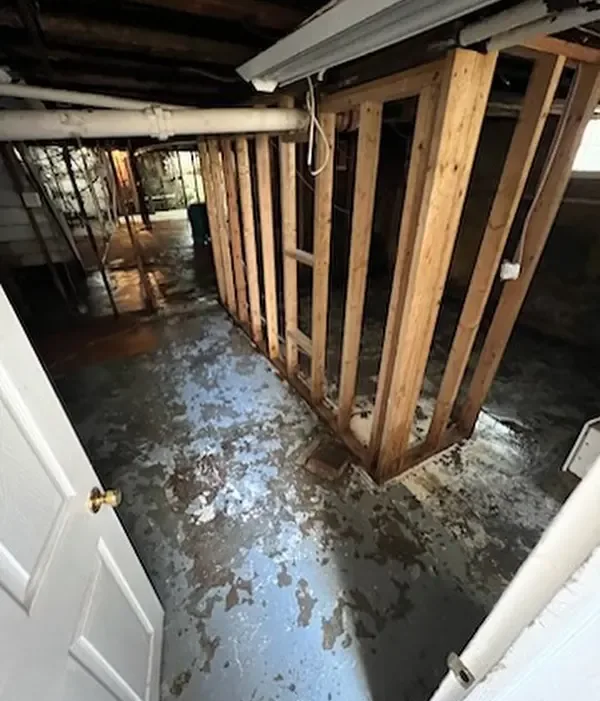
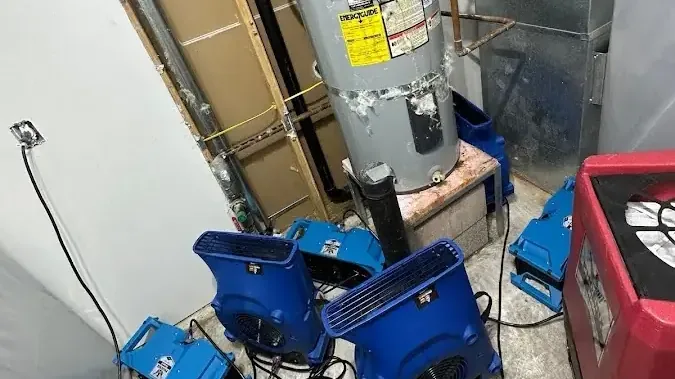
What a water damage dry-out looks like in Harker Heights
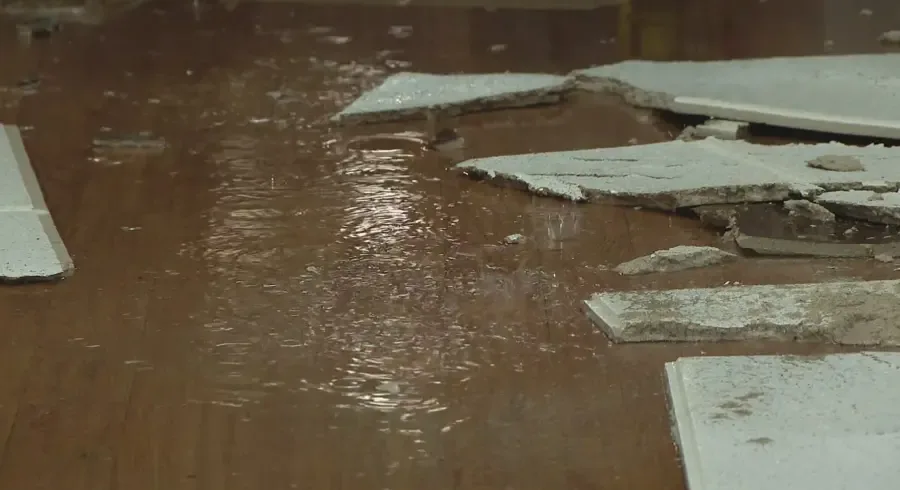
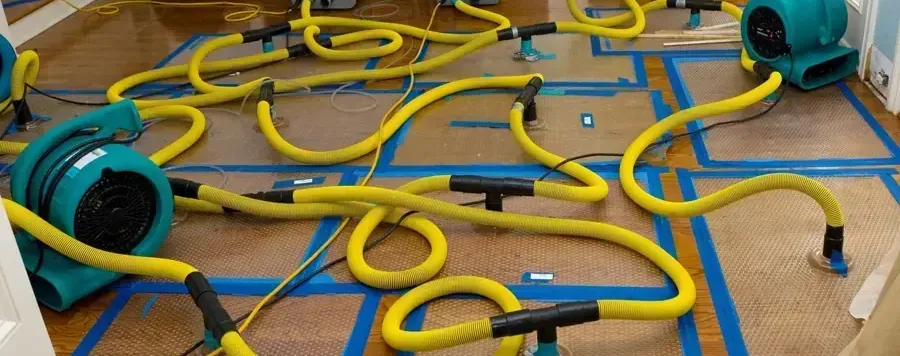
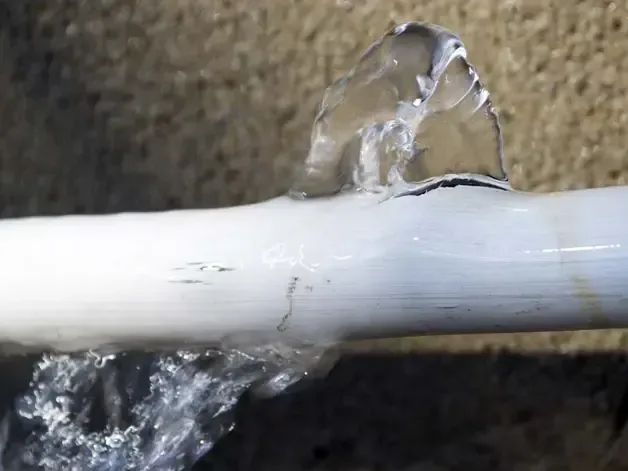
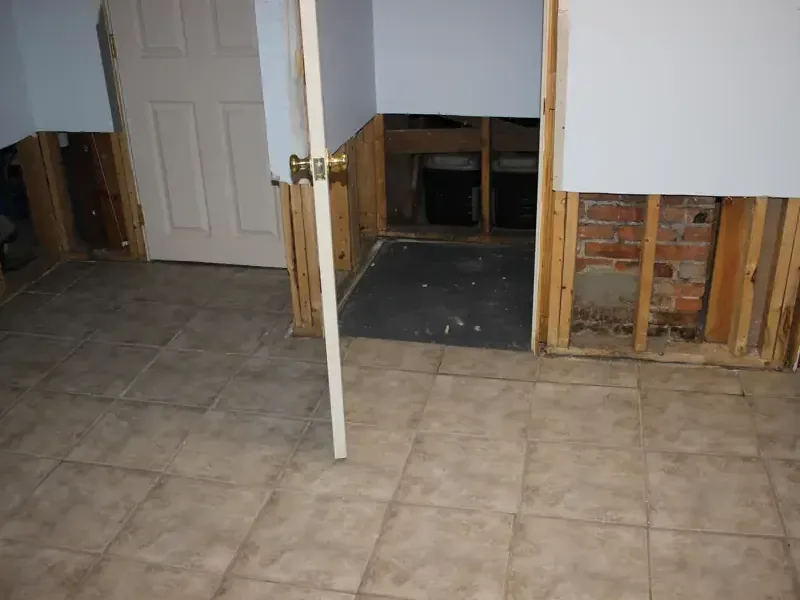
All water damage categories covered in Harker Heights, TX
Clean-water source
A sanitary supply release may begin as Category 1. Time, contact and current conditions still affect the material assessment.
Significant contamination
Used appliance water and similar releases need additional handling decisions. The technician assesses the actual source and contacted materials.
Sewage and outdoor floodwater
The crew contains the area, removes affected porous materials and cleans suitable remaining surfaces before controlled drying begins.
Category 3 cleanup detailsWater damage restoration across Harker Heights
The response team serves Harker Heights in ZIP 76548, including the Purser Family Park area and southern parts of the city, with additional coverage in the five listed towns.
Local ZIP covered
City landmarks
- Purser Family Park
- Stillhouse Hollow Lake
- Lampasas River
Additional town coverage
- Nolanville
- Belton
- Salado
- Bartlett
- Gatesville
One call reaches Harker Heights water damage pros, 24/7
The response team reviews the source status, affected rooms and any electrical or access concerns. Those details help coordinate extraction and the first moisture assessment. Active water receives urgent attention, with timing based on current conditions.
Water damage in Harker Heights, TX: the local risk profile
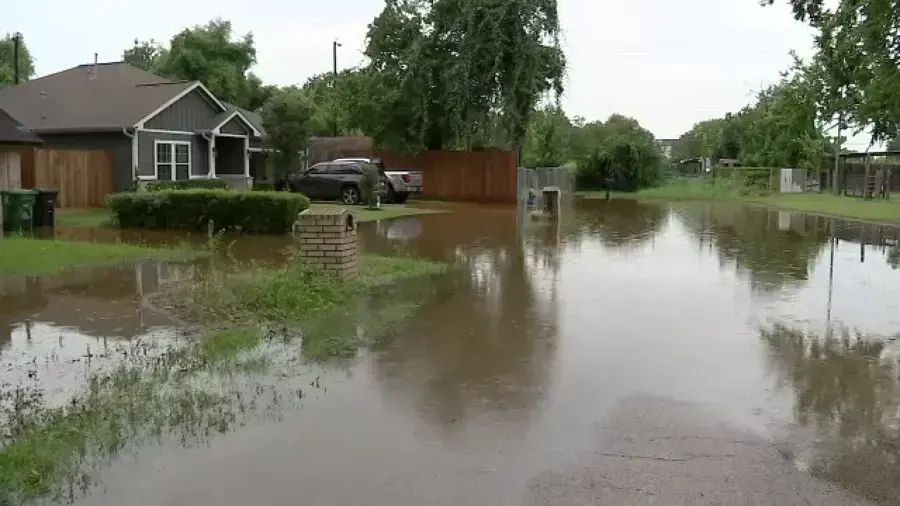
Pipe releases, roof entry and sewage backups need different cleanup methods. The assessment identifies the source and the route water took through the building.
- The southern city limits reach hills overlooking Stillhouse Hollow Lake on the Lampasas River.
- Harker Heights borders Killeen to the west and Nolanville to the east.
- Purser Family Park is a city landmark.
- Water can move beneath flooring and into wall cavities before the full wet area becomes visible.
Water damage restoration questions in Harker Heights
Water beneath a finished surface?
The restoration technician checks the hidden layers and records the moisture before choosing removal or drying access.
(888) 926-4485Discuss hidden wet materialsWhat should happen first after an indoor water leak?
The household should keep people away from wet electrical areas and stop an accessible clean-water source only when safe. The response team then checks source status, affected rooms and access. Extraction follows the safety assessment, while the appropriate trade professional handles the failed pipe or equipment.
Is water damage restoration available overnight?
Emergency dispatch is available 24/7. The response team reviews active water, access and utility concerns before coordinating the assessment. Arrival timing depends on current conditions and the location; the property assessment determines the work that can begin safely.
How long does structural drying take?
A contained loss can dry in several days, while dense or layered materials may need longer. The drying team tracks daily material readings and air conditions. Equipment stays until the documented goal is met, with a suitable dry reference guiding verification rather than a fixed calendar promise.
What does the IICRC S500 standard mean for drying?
The standard supports a structured assessment of water category, affected materials and drying needs. Technicians map moisture, remove liquid water, select drying equipment and document progress. The important result is a verified material condition, not simply a room that looks dry at the surface.
What should be recorded before cleanup begins?
The property contact can preserve photographs of the source, visible water and affected rooms from a safe position. The technician adds moisture readings, notes the shutoff status and records wet materials before removal. These records shape the restoration scope and keep the initial conditions available for later review.
When does wet drywall need removal?
The technician considers contamination, loss of strength, saturated insulation and access to the cavity. Some clean assemblies can dry with suitable access; damaged or contaminated porous materials may require controlled removal. Photos and material readings explain why an opening is necessary before replacement finishes are considered.
Why does sewage cleanup differ from a supply leak?
Sewage is Category 3 from the start. The crew establishes containment and protective measures, removes affected porous materials and cleans suitable surfaces. Any EPA-registered antimicrobial needs its labeled dwell time. Controlled drying follows contamination removal instead of beginning with household fans across the wet room.
What documentation helps an insurance review?
Timestamped pre-demolition photos, the initial moisture map, category and class, daily psychrometric logs and a line-item scope show what happened and why the work was needed. The insurer applies the policy terms. Sudden accidental releases and outdoor flooding may involve different coverage, so the property owner checks the actual policy.
What changes a restoration cost range?
Water category, wet square footage, material class and how quickly drying begins shape the scope. Concealed access, disposal and equipment duration also matter. Planning ranges help compare scenarios, while the written assessment identifies the actual affected assemblies, cleaning needs and drying work at the property.
Water spreading inside a Harker Heights property?
The response team checks source control and access, then coordinates extraction and a measured drying scope for affected materials.
- Harker Heights, TX and Bell County
- Emergency dispatch through nights and weekends
- Find us on Google