Water Damage Restoration Bartlett, TX
A wet floor can hide moisture below finishes and along wall edges. Bartlett water damage restoration begins with source status, safe access and a measured boundary for extraction, cleaning and drying.
(888) 926-4485Describe the affected rooms- Emergency dispatch available
- Material readings recorded
- Water and sewage cleanup
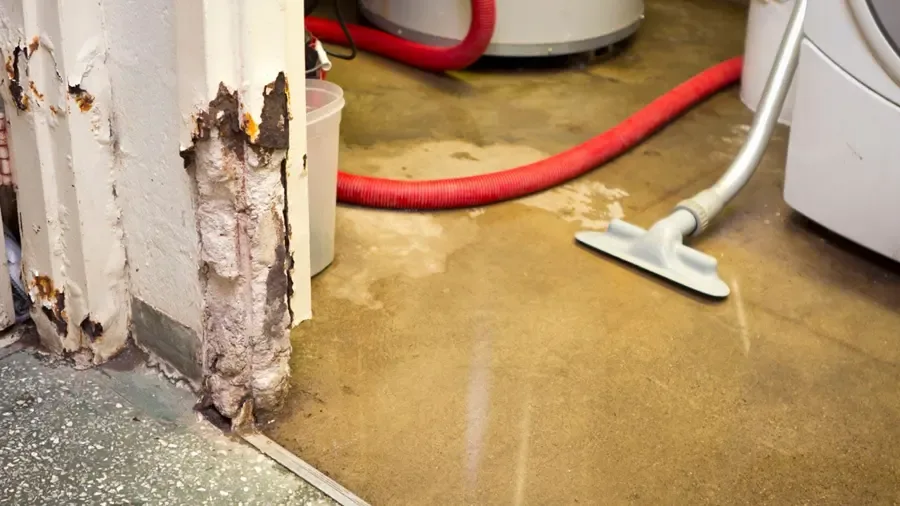
What to do while restoration help is being arranged
- 1
Avoid wet electrical areas, sagging ceilings and uncertain water. Keep children and pets outside affected rooms.
- 2
Stop the source only when reachable without crossing water or touching electrical equipment. Otherwise, wait for a qualified trade.
- 3
Photograph visible water, damaged finishes and contents safely. Note when the loss was found and which rooms are affected.
- 4
Leave contaminated water and unstable materials undisturbed. Traffic can spread residue into dry rooms and complicate the cleanup boundary.
Water damage restoration services in Bartlett, TX
The right service is selected from the actual source, water category, affected materials and access found during inspection.
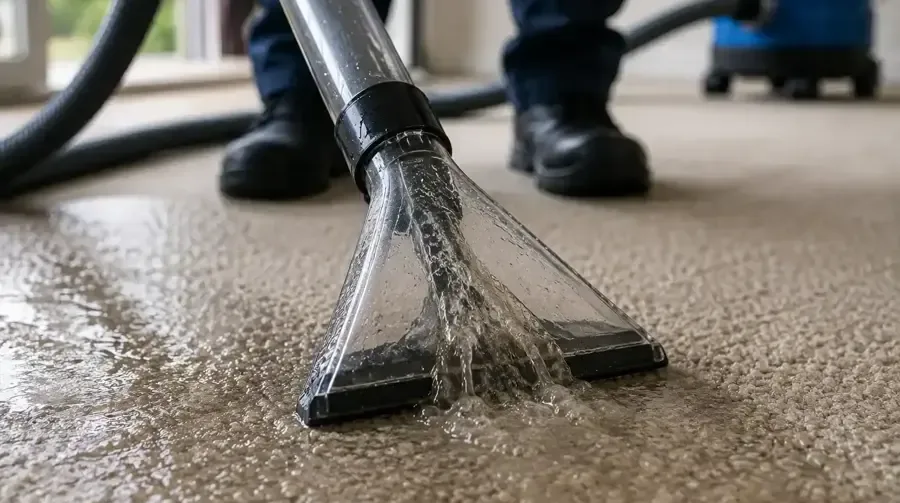 Water ExtractionPumps and extraction tools remove recoverable liquid before retained moisture is mapped through connected finish layers.See the service
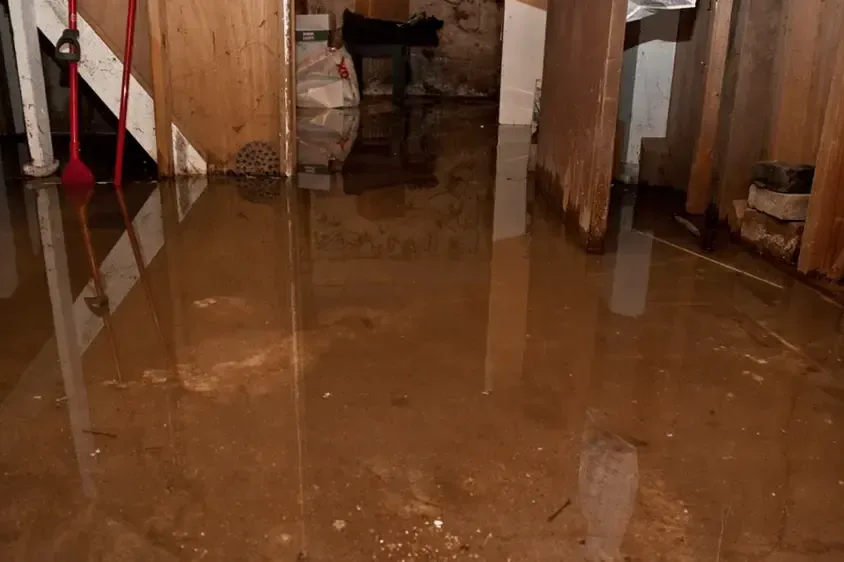 Basement Flooding CleanupWhere a property has a basement, cleanup follows entry control, contamination assessment, removal and monitored drying.See the service
 Frozen Pipe Water DamageAfter a frozen pipe is controlled, the water path is traced through cavities, floors and nearby contents.See the service
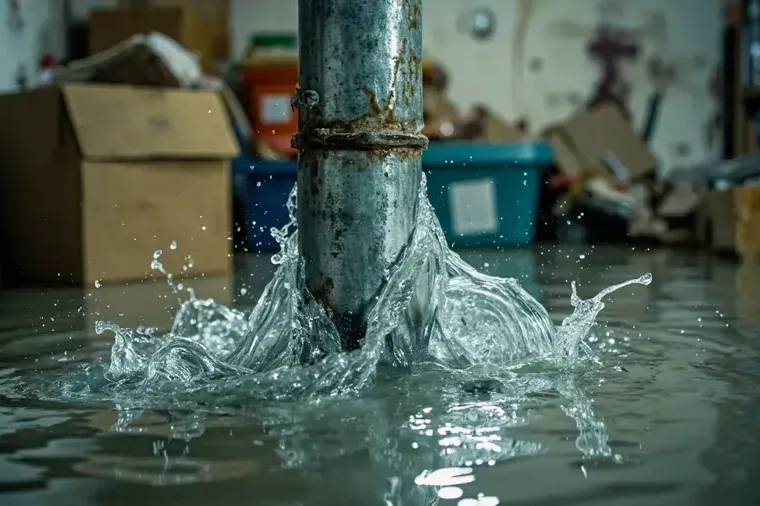 Burst Pipe CleanupA sudden pipe release requires separate source repair, rapid water recovery and checks beyond the visible edge.See the service
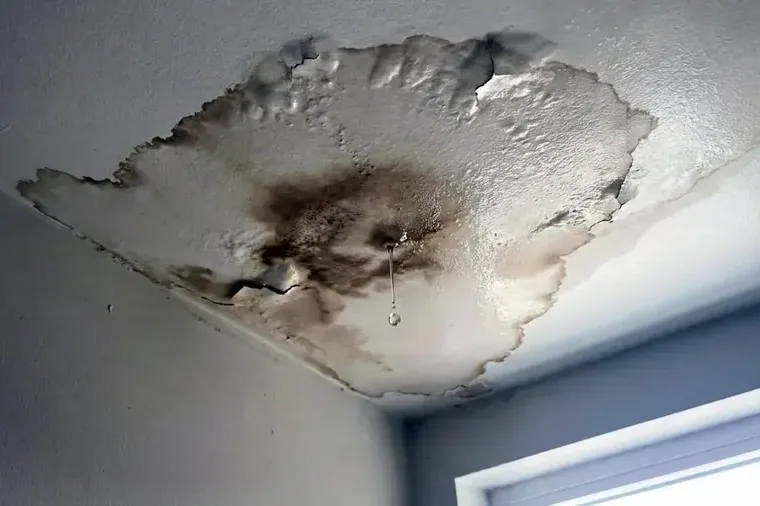 Roof Leak Water DamageWeather entry is contained after exterior safety permits, then ceilings, insulation and wall assemblies receive moisture checks.See the service
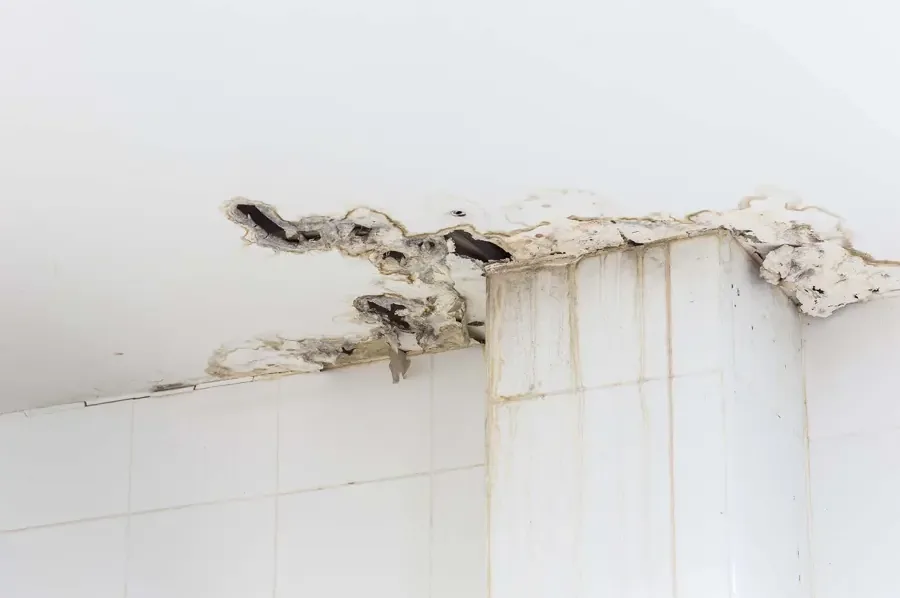 Ceiling Leak Water DamageOverhead water calls for safe exclusion below softened finishes before the source path and wet boundary are examined.See the service
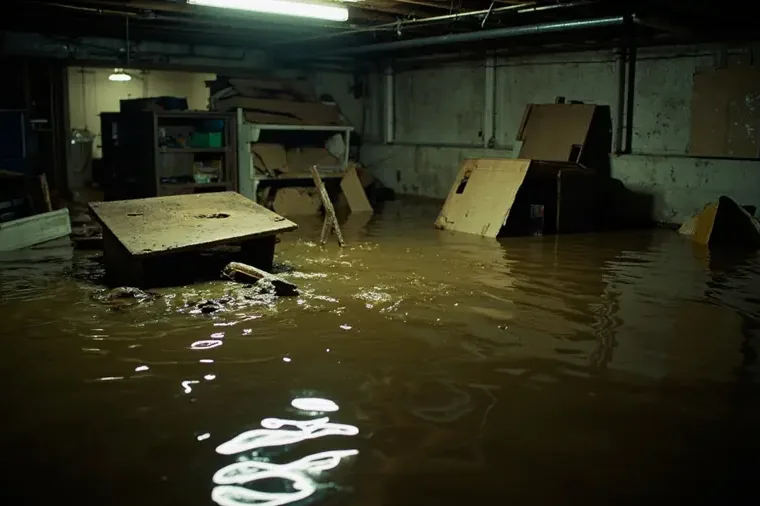 Sump Pump Failure CleanupIf a building has a sump system, failed pumping can leave water requiring extraction, cleaning and drying.See the service
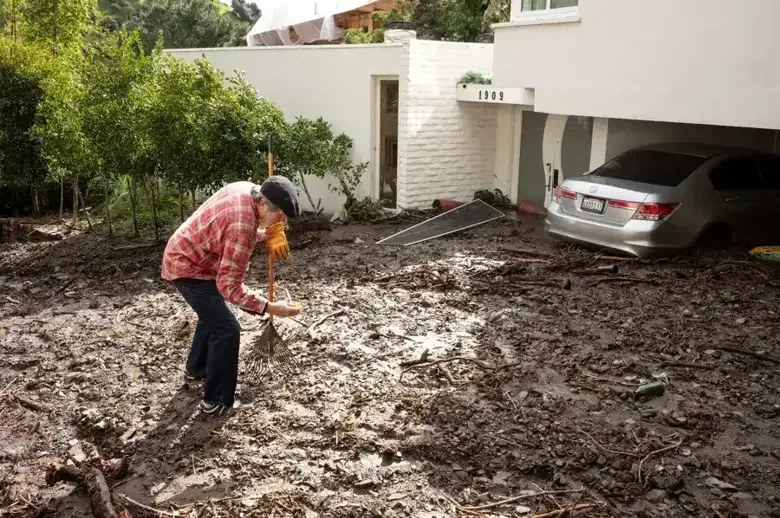 Storm Water DamageWind driven rain and outdoor water are handled according to the entry route, contamination and damaged materials.See the service
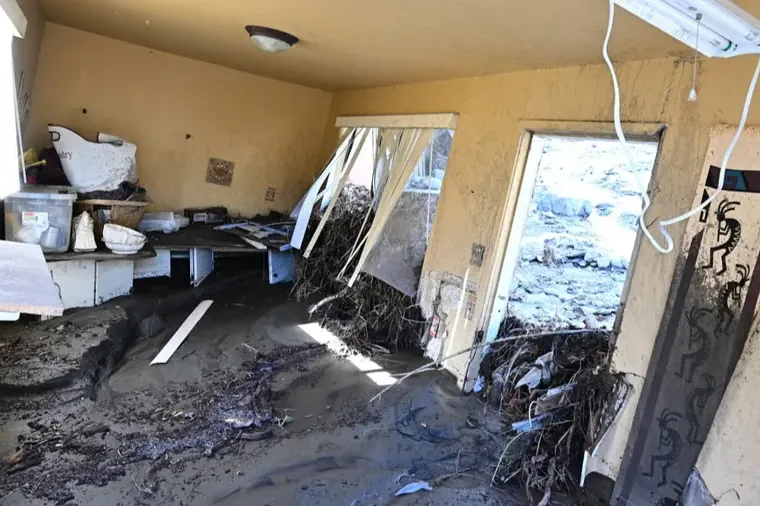 Flood CleanupFlood work separates dirty water areas, removes unsalvageable porous materials and cleans retained structural surfaces before drying.See the service
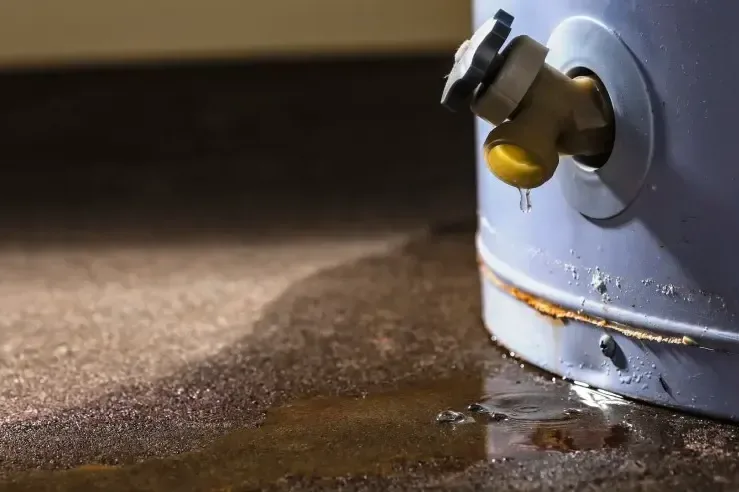 Water Heater Leak CleanupWater around a tank or connection is recovered while adjacent floors, walls and closets are checked for spread.See the service
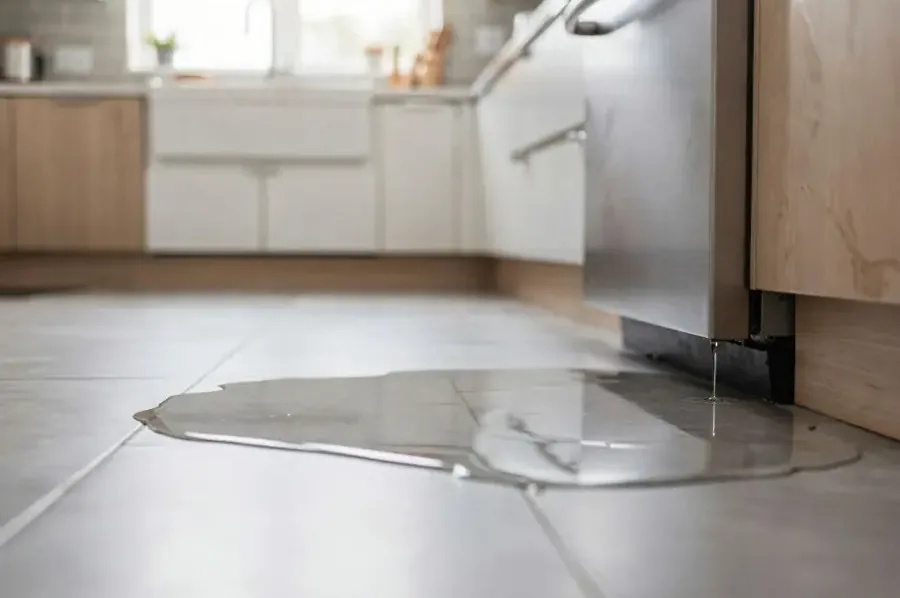 Appliance Leak Water DamageDishwasher, washer and refrigerator releases may travel beneath cabinets or floors beyond the appliance footprint.See the service
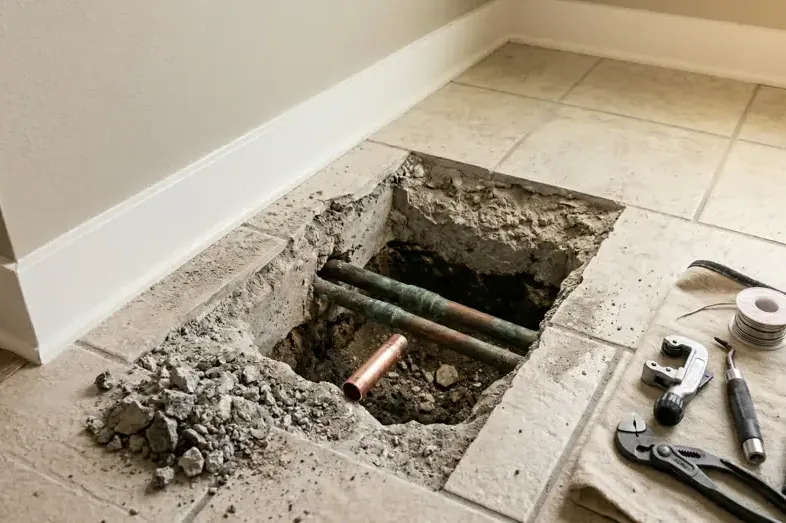 Slab Leak Water DamageOnce a below-floor source is diagnosed, restoration addresses water that reached finishes, cavities and indoor contents.See the service
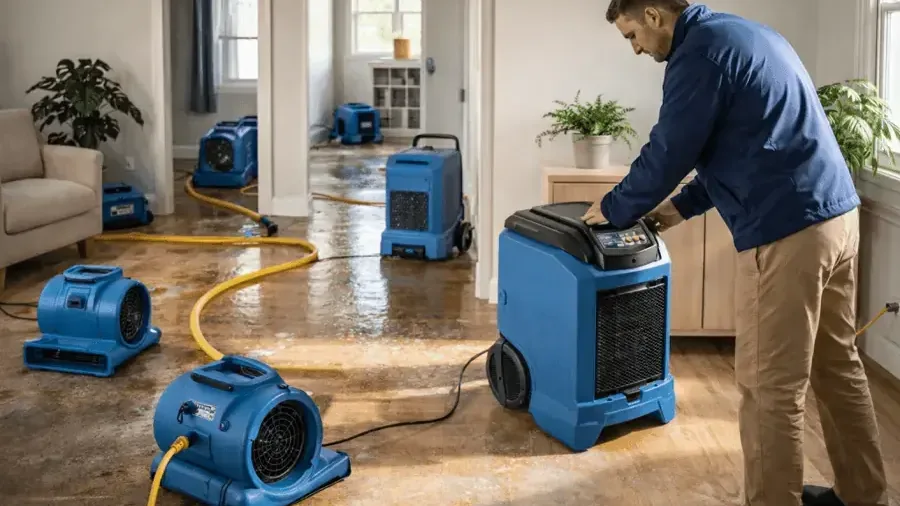 Structural DryingAir movement, dehumidification and repeat material readings continue until documented drying goals are reached.See the service
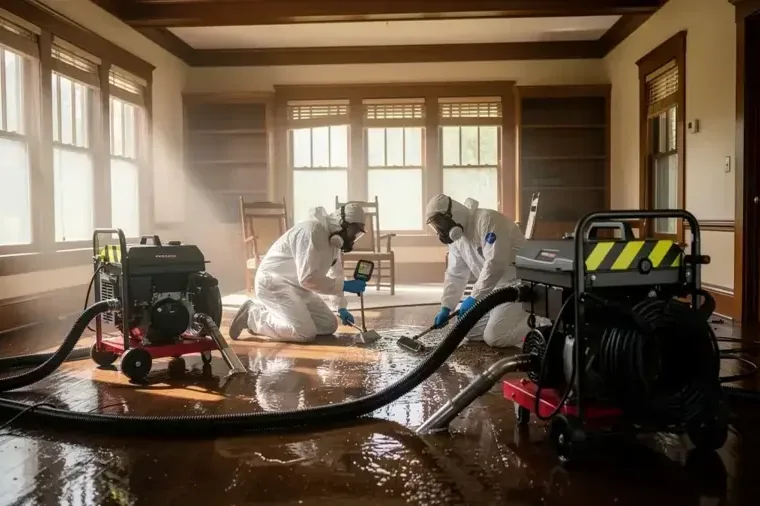 Sewage Backup CleanupCategory 3 work uses containment, protective equipment, porous removal, physical cleaning and labeled antimicrobial application.See the service
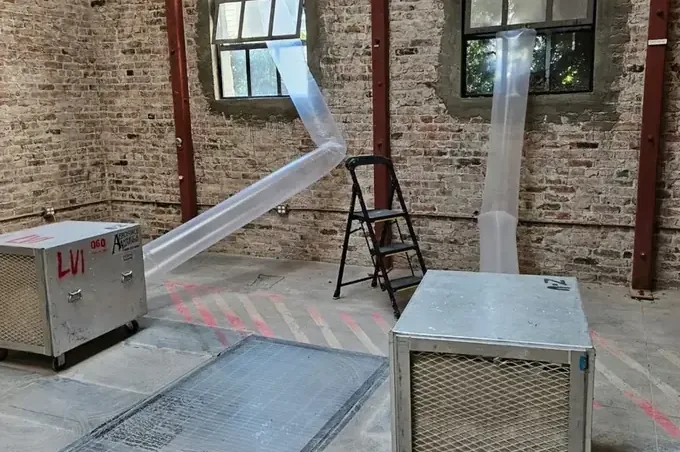 Commercial Water DamageBusiness cleanup coordinates access, contents, work zones and moisture records while keeping repair tasks separately defined.See the service
How the restoration process moves forward
Each phase narrows uncertainty and creates a record for the next material decision.
- 01
Establish safe access
Personnel identify electrical concerns, unstable surfaces and possible contamination before selecting an entry route. The water source and any repair status are documented separately from restoration.
- 02
Map the full boundary
Visible water provides a starting point. Readings continue across thresholds, floor layers, wall bases and nearby rooms until wet materials can be compared with suitable dry references.
- 03
Remove, clean and expose
Recoverable liquid is extracted. Materials that cannot be safely restored are documented for removal, while retained surfaces receive cleaning appropriate to the water category.
- 04
Dry and verify materials
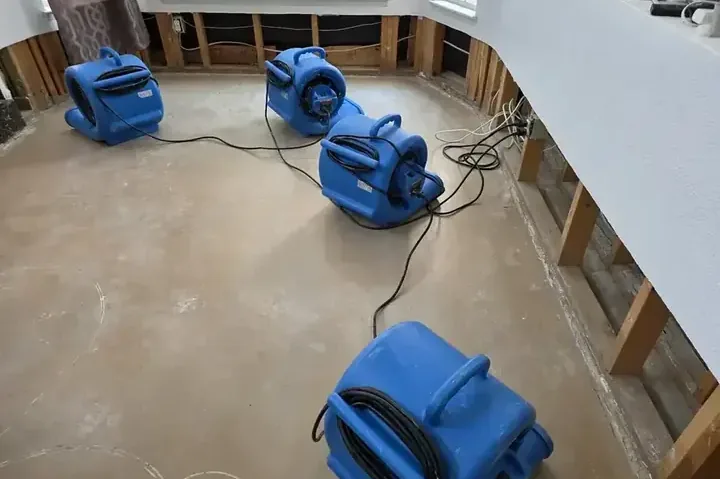
Airflow and dehumidification are arranged around the exposed wet load. Repeat readings at marked locations show progress and support the final drying record.
Bartlett water damage restoration for homes and businesses
Bartlett crosses Williamson County and Bell County, with homes, apartments and commercial spaces around downtown. An indoor release can pass between rooms through floor seams or wall penetrations. The technician maps that spread before choosing access to concealed moisture.
Business inventory and residential belongings need separate handling in a mixed-use building. Room records track moved items while dry entrances stay protected. Equipment serves the affected surfaces, and repeat readings document the progress of retained materials.
Boundary before equipment
Moisture checks locate connected layers so extraction and drying machines are placed for the measured wet area, not just the visible puddle.
Category controls handling
Source and exposure determine containment, cleaning, removal and protective measures before active drying begins.
Repairs remain separate
A plumber, roofer or appliance technician addresses the failed component while restoration personnel document and treat the resulting building damage.
Progress stays measurable
Marked reading points, equipment notes and material decisions show how the project changes from initial recovery through final verification.
What does water damage restoration cost in Bartlett, TX?
A contained clean-water project may fall near $900 to $2,400, while broad contaminated work can exceed $12,500. Water category, affected area, finish layers, contents and access all change the work. An inspection connects those factors to the building instead of relying on the visible water alone.
Contained clean-water area
$900 to $2,400
- Accessible liquid in a small zone
- Few finish layers involved
- Focused drying and repeat checks
Connected rooms and cavities
$2,400 to $6,800
- Water crosses room transitions
- Floor or wall access needed
- Several equipment zones monitored
Broad or contaminated loss
$6,800 to $12,500+
- Category 3 procedures required
- Porous removal and detailed cleaning
- Contents and repairs scoped apart
Try the water damage cost calculator for early planning, then compare its assumptions with an inspected restoration scope.
Water damage dried to the IICRC S500 standard
A dry-looking surface does not close a project. Extraction reduces liquid water, controlled airflow promotes evaporation, and dehumidification removes released vapor. Technicians compare readings at identified materials with appropriate dry references and adjust access or equipment when progress slows.
- Source status noted
- Water category documented
- Reading points repeated
- Drying goals verified
Documentation for your insurance claim
A restoration file can include source observations, photographs, affected-room notes, moisture maps, removal decisions, equipment placement and readings collected through the drying period.
The insurance carrier interprets the policy and determines coverage. The project record supplies factual support while keeping plumbing, roof or appliance repair distinct from extraction, cleaning and structural drying.
Scenes from a complete water damage response
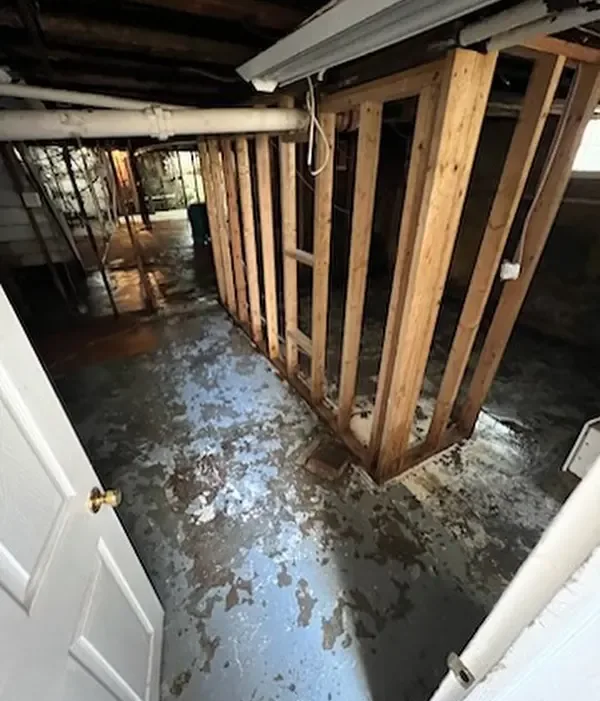
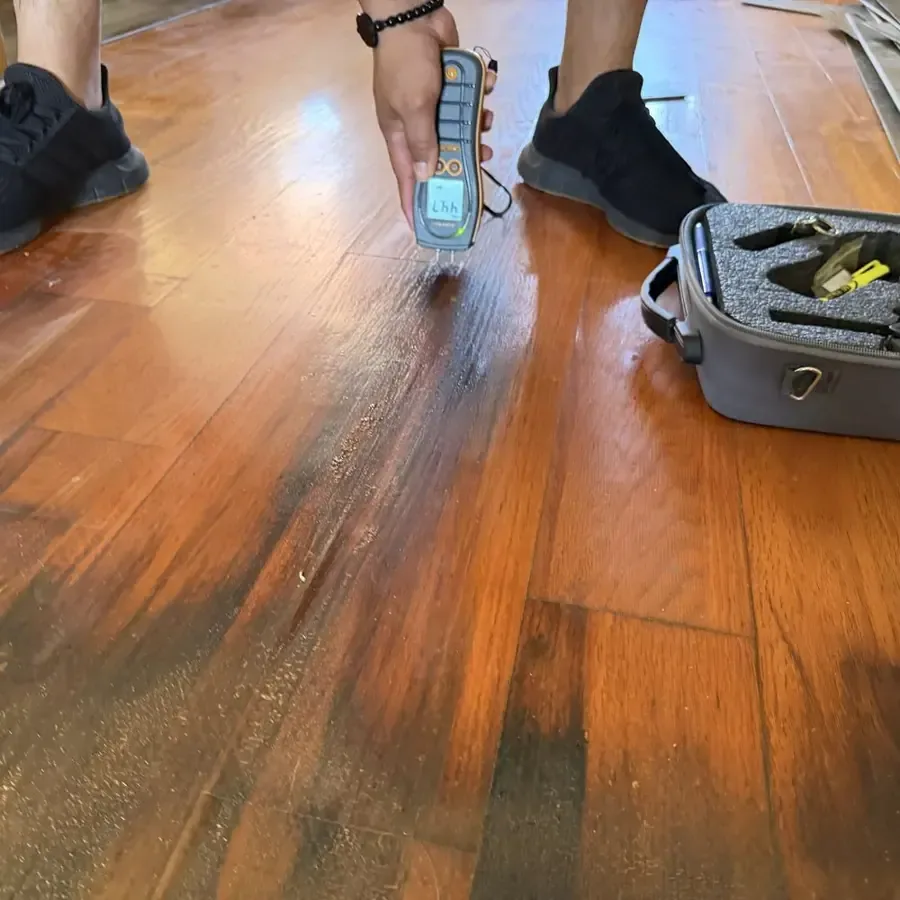
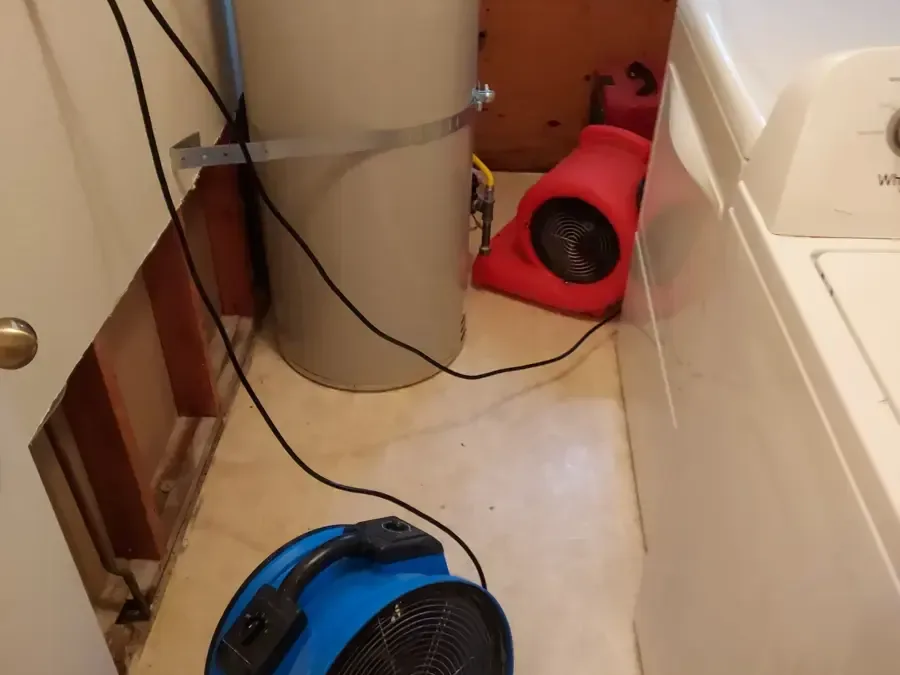
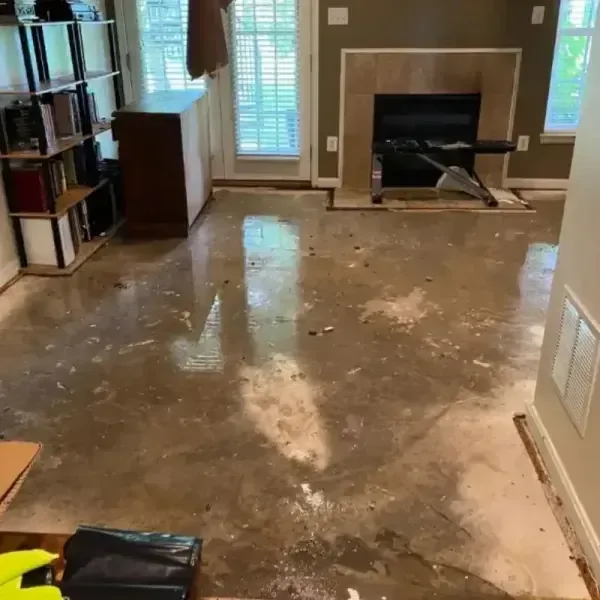
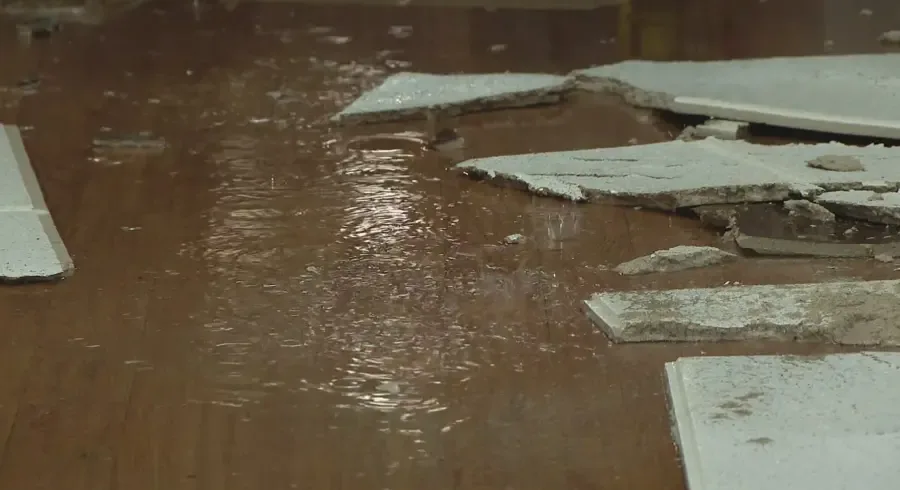
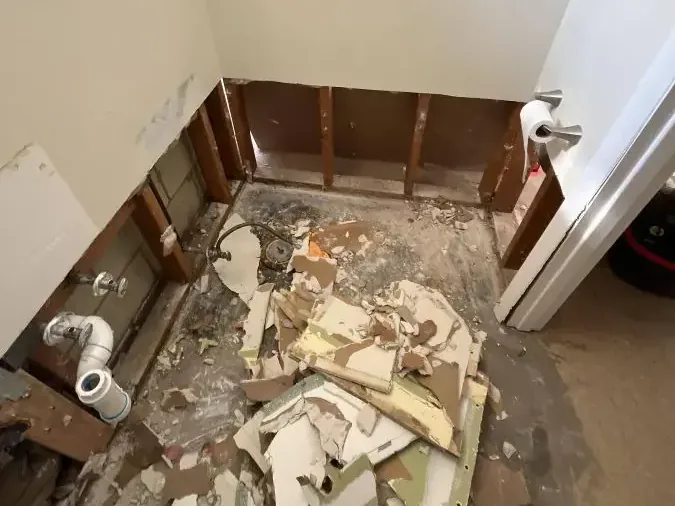
Cleanup for clean, contaminated and sewage water
Initially sanitary water
A supply release may begin sanitary, but time and contact with materials can change conditions found during the assessment.
Water with added contamination
Used appliance water or a similar source requires closer decisions about absorbent finishes, exposure and cleaning before drying.
Grossly contaminated water
Sewage and outdoor flooding require isolation, protective equipment, porous removal and physical cleaning ahead of controlled drying.
See sewage cleanup controlsWater damage coverage across Bartlett
Water damage service covers downtown Bartlett, Main Street and the residential areas on both county sides. Dispatch checks the affected floor, source status and safe access before coordinating the inspection.
ZIP area
Downtown
- Main Street
- downtown Bartlett
Other service towns
Water damage help is available 24/7
A caller can describe the known source, rooms with visible water, building access and any electrical, ceiling or contamination concern. The field assessment then establishes the category, material boundary, extraction method and drying plan.
Water damage in Bartlett, TX: rain and older buildings
The water route, condition of finishes and available access determine the cleanup sequence. Careful room records help coordinate removal and repairs in occupied properties.
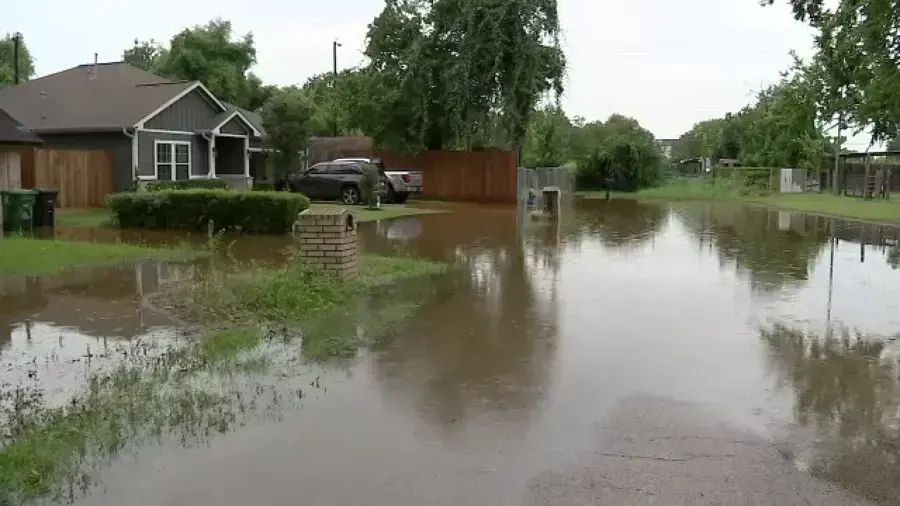
- Five inches of rain fell during the April 2024 storm, flooding streets in Bartlett.
- Late nineteenth and early twentieth century architecture remains part of the city.
- Main Street includes commercial spaces.
- The Williamson-Bell county line crosses some local homes and business buildings.
Questions about cleanup and drying
Water has crossed a threshold?
Room transitions and hidden layers can be checked before the drying boundary and equipment plan are set.
(888) 926-4485Explain where water traveledWhat details help during the first call?
Report where water is visible, the suspected origin, whether entry continues and any electrical or ceiling concern. Mention sewage or outdoor water before anyone enters. These details support dispatch planning, but the category, wet boundary and material decisions come from the on-site assessment.
How is a flooded room assessed before cleanup?
Technicians record the entry point, water marks and debris before inspecting floor layers, wall bases and contents. The assessment identifies contaminated materials and protected access routes. Cleaning and removal address the affected area first, followed by drying equipment and repeat readings for retained construction.
Why check beyond the visible puddle?
Water can move under flooring, through wall bases and across thresholds while the exposed surface begins to dry. Moisture mapping compares those connected materials with dry references. The results show where extraction, controlled access and drying equipment are needed, even when no standing water remains.
Are plumbing repairs part of restoration?
Source work and restoration are separate scopes. A qualified trade diagnoses and repairs the pipe, fixture, water heater or appliance. Restoration personnel record source status, remove water, clean affected surfaces and dry building materials. Keeping those roles distinct makes the project record easier to understand.
How are older downtown buildings evaluated?
Bartlett is known for late nineteenth and early twentieth century architecture. The walkthrough identifies finish layers, previous repairs and access to wet cavities. Personnel inspect the actual assembly, use suitable meters and make controlled openings only when readings, physical damage or contamination justify direct access.
When does water count as Category 3?
Sewage and outdoor floodwater begin as Category 3 because gross contamination may be present. The work area is contained, personnel use protective equipment, affected porous materials are removed above the waterline, retained surfaces are cleaned, and an EPA-registered antimicrobial is used at labeled dwell time.
What information supports a claim assessment?
Useful records include source observations, photographs, affected-room notes, water category, moisture readings, removal decisions and equipment changes. The carrier applies policy terms and decides coverage. Restoration documentation explains what was found and performed without promising a claim result or replacing the carrier's decision.
How is a drying project considered complete?
Personnel return to the same marked materials and compare readings with appropriate dry references. If progress stalls, access, airflow or dehumidification may change. Completion rests on documented material conditions and the agreed scope, not on surface appearance, room temperature or a fixed calendar promise.
Can the listed price ranges replace an inspection?
No. The ranges assume broad conditions, while a real loss may involve hidden floor layers, contents, contamination or difficult access. An inspection establishes what is wet and which materials can remain. The written scope then connects extraction, cleaning, removal and drying tasks to those observations.
Water is moving through a local property?
Share the source status and affected rooms so the next step can begin with safe access and measured evidence.
- Bartlett, TX and nearby towns
- Emergency dispatch through nights and weekends
- Find us on Google