Sewage Backup Cleanup in Harker Heights, TX
Sewage cleanup in Harker Heights treats a drain backup as Category 3 from the start. The cleanup crew establishes containment and protective measures, removes contaminated porous materials, cleans suitable exposed surfaces and follows product dwell times before controlled drying begins.
(888) 926-4485Arrange contained cleanup- 24/7 dispatch
- IICRC S500 drying standard
- Truck-mounted extraction
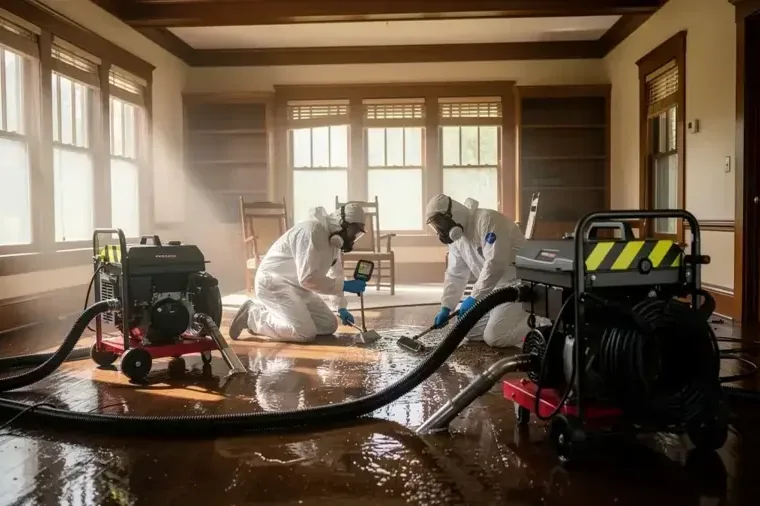
What to do the moment you find sewage inside a building
- 1
Keep people and pets outside the affected area
Sewage contamination can move onto shoes, possessions and adjoining floors. The household should leave the wet area undisturbed until the cleanup crew establishes safe access and containment.
- 2
Stop using fixtures that feed the backup
Additional fixture use can add water to an unresolved drain problem. A plumbing professional should assess the source and give instructions for the affected system.
- 3
Avoid fans and household vacuuming
Uncontrolled air movement and unsuitable vacuums can spread contamination. Trained personnel use equipment and handling methods appropriate to a Category 3 loss.
- 4
Arrange drain-source assessment
Cleanup does not clear an obstructed or damaged drain by itself. Source correction needs coordination with removal, surface cleaning and the later drying phase.
How sewage backup cleanup is handled in Harker Heights
Assess the water path
The restoration technician follows a sewage backup through visible surfaces and accessible cavities, then records the wet boundary and any source questions that need a separate trade assessment.
Match removal and drying
The cleanup crew evaluates contamination and material condition before deciding what can remain. The drying team sizes airflow and dehumidification to the exposed assembly and measured moisture load.
Verify progress at the same points
The technician revisits documented locations, compares readings with a dry reference and adjusts equipment when progress slows. The final record explains the condition before repair finishes cover the assembly.
What does sewage backup cleanup cost in Harker Heights, TX?
Typical sewage backup cleanup planning ranges run from $1,600 for a limited loss to $11,800 or more for extensive work. Category, square footage, material class and how quickly drying starts determine the actual scope.
Limited affected area
$1,600 to $4,300
- Accessible source and contained spread
- Extraction and measured drying
- Limited material removal where needed
Several connected rooms
$4,300 to $11,800
- Multiple wet surfaces and cavities
- Additional drying equipment and checks
- Documented removal and cleaning scope
Complex or extensive loss
$11,800+
- Difficult access or deep saturation
- Contamination changes material decisions
- Repair and contents assessed separately
Compare the loss using the water damage cost calculator. The written scope depends on water category, affected materials and measured drying needs.
How sewage backup cleanup work runs, start to finish
- 01
Assess source and access
The response team reviews sewage inside a building, checks source control and confirms safe access, then coordinates extraction equipment and moisture assessment through 24/7 dispatch.
- 02
Map the moisture
The restoration technician marks affected rooms, compares wet materials with dry references and verifies suspected moisture with meters before choosing openings or equipment positions.
- 03
Extract and set the drying
The extraction crew removes recoverable water before the drying team balances airflow and LGR dehumidification with the room volume, water category and exposed materials.
- 04
Read daily, verify dry
The drying team records daily material readings and air conditions, adjusts the equipment when progress slows and verifies the documented drying goal before removal.
The restoration scope for a sewage backup separates source repair, material condition and the remaining moisture load. Each decision needs a record that a property owner can follow.
Contain contamination before removing material
The crew establishes a controlled work area and uses appropriate protective clothing, gloves, eye protection and respiratory protection according to the assessed hazards. Category 3 water changes material decisions immediately. Contaminated porous finishes need removal above the affected waterline as the assembly and spread require. Technicians document the boundary, protect dry areas and handle debris so it does not track through occupied rooms.
Distinguish public works from a building backup
Harker Heights includes Purser Family Park and extends toward Stillhouse Hollow Lake on the Lampasas River. Inside a building affected by sewage, the drain diagnosis and contact boundary direct the response. A plumber investigates the blockage while the cleanup team isolates rooms, documents contaminated porous materials and protects the route used to remove debris.
Clean suitable surfaces before structural drying
The crew removes affected porous debris, cleans remaining suitable surfaces and applies any EPA-registered antimicrobial according to its label, including the required dwell time. Drying follows that contamination-control sequence. Technicians then measure retained moisture in the remaining assembly and document daily progress. A disinfectant application alone does not make saturated porous materials suitable to retain or demonstrate that a wall cavity is dry.
- The moisture map identifies affected rooms and repeatable reading points.
- Timestamped photographs preserve the condition before any material removal.
- Daily air and material readings explain equipment changes and the drying goal.
Documentation for the sewage backup cleanup claim
The claim file records source information, category and class, measured drying progress and a line-item scope. Sudden accidental releases and outdoor flooding can fall under different coverage terms. The property owner checks the policy with the insurer; restoration records support review without promising coverage.
Source control and safe access come first.
Water damage coverage in Harker Heights
The response team serves homes and businesses across the city, including the Purser Family Park area and southern Harker Heights, with extraction and drying planned from conditions inside the property.
ZIP code 76548.
Check the areas coveredRelated cleanup and drying services
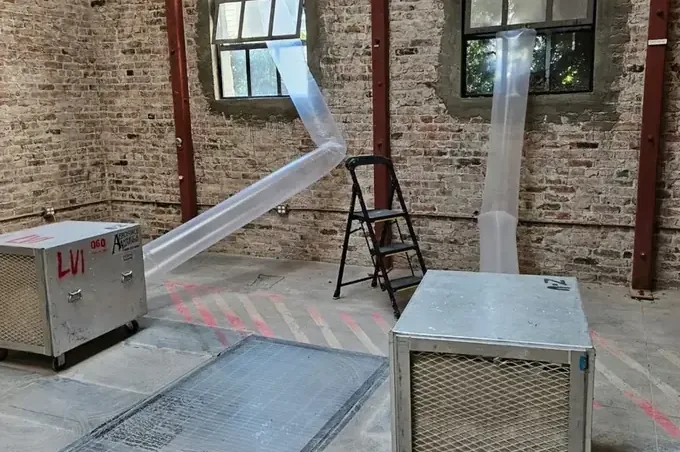 Commercial Water DamageThe restoration team assesses water affecting a business space, removes released water and checks affected materials before monitored drying.See the service
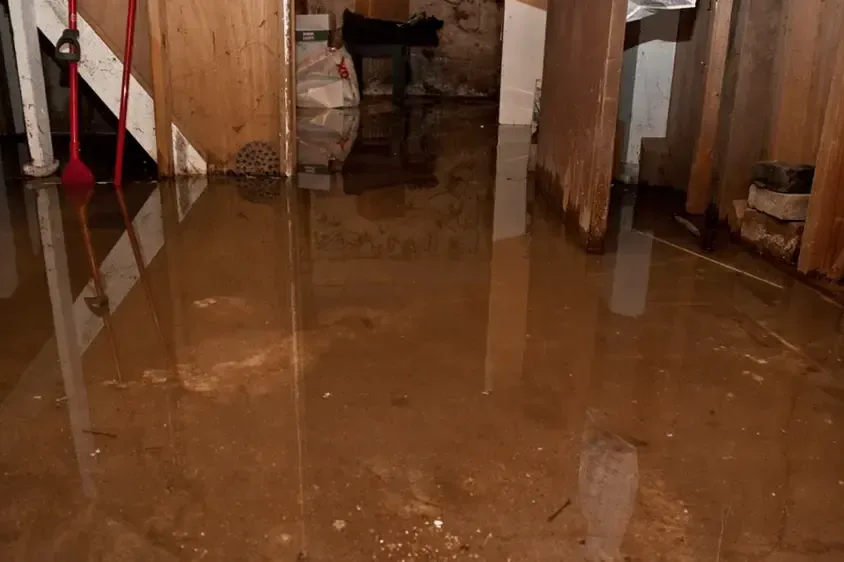 Basement Flooding CleanupThe restoration team assesses water in a basement, removes released water and checks affected materials before monitored drying.See the service
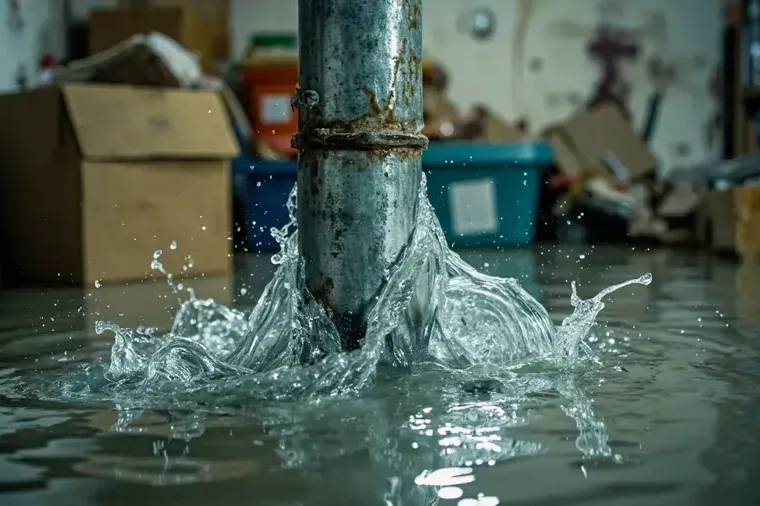 Burst Pipe CleanupThe restoration team assesses a burst supply pipe, removes released water and checks affected materials before monitored drying.See the service
Sewage Backup Cleanup questions in Harker Heights
Water reaching another room?
The response team assesses active water, wet materials and access before selecting the extraction and drying setup.
(888) 926-4485Discuss the wet roomsCan sewage-soaked carpet simply be dried?
Category 3 contamination requires removal of affected porous materials rather than ordinary drying in place. The cleanup team assesses the full contacted assembly, including pad and concealed edges.
Does antimicrobial replace physical cleaning?
No. Material removal and cleaning come first. Any EPA-registered antimicrobial needs the correct application and labeled dwell time as part of the documented cleanup sequence.
What should happen before extraction starts?
The team checks source control, utilities and safe access for a sewage backup. Ongoing leakage or unsafe electrical conditions need attention before personnel enter or operate removal equipment.
How does the drying team know the work is finished?
Technicians record material moisture and air conditions at consistent points. Equipment stays until the documented drying goal is met, using a suitable dry reference instead of surface appearance alone.
What changes the cost of sewage backup cleanup?
Water category, affected area, material class and how quickly drying starts drive the scope. Access, removal and equipment duration also matter; planning figures do not replace an on-site written assessment.
Can the claim file promise insurance coverage?
No. Photos, the moisture map, daily psychrometric logs and a detailed scope document the work. The insurer applies the policy and cause-of-loss terms, which can treat sudden releases and floodwater differently.
Is emergency dispatch available overnight?
Emergency dispatch is available 24/7 for active water losses. The response team reviews the source, affected rooms and safe access; arrival timing depends on current conditions and the property location.
Sewage Backup Cleanup in Harker Heights? Call now.
The response team coordinates water removal 24/7. The drying crew tracks material readings and records the work for the claim file.
- Harker Heights, TX and Bell County
- Emergency dispatch through nights and weekends
- Find us on Google