Water Damage Restoration Nolanville, TX
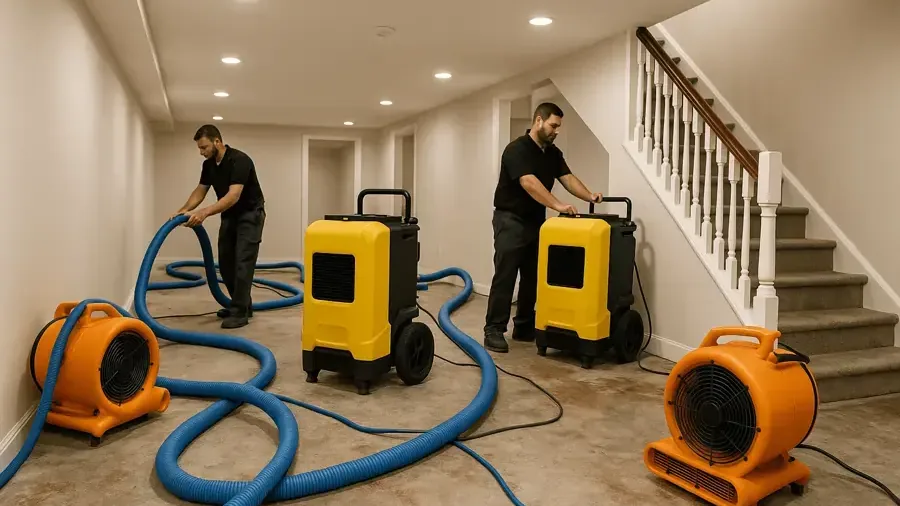
Water damage restoration in Nolanville starts with the source and the layers it reached. Restoration technicians assess contamination, extract accessible water and track moisture in the remaining structure, with clear records supporting the drying scope.
(888) 926-4485Discuss water beneath the finish- 24/7 water assessment
- Drying to IICRC S500
- Recorded material moisture
What to do while the water is still moving
- 1
A reachable supply valve can limit a plumbing release if the route stays dry and clear of electrical hazards.
- 2
The household should avoid sagging ceilings, wet fixtures and rooms containing sewage or water from an uncertain source.
- 3
Photos from an unaffected area can preserve the original marks on walls, flooring and belongings without disturbing them.
- 4
Emergency dispatch needs the source status and affected level, along with any access problem that changes the assessment.
Water Damage Restoration Services in Nolanville, TX
The cleanup method follows the origin and the wet assembly. These services separate common water paths and the decisions each requires.
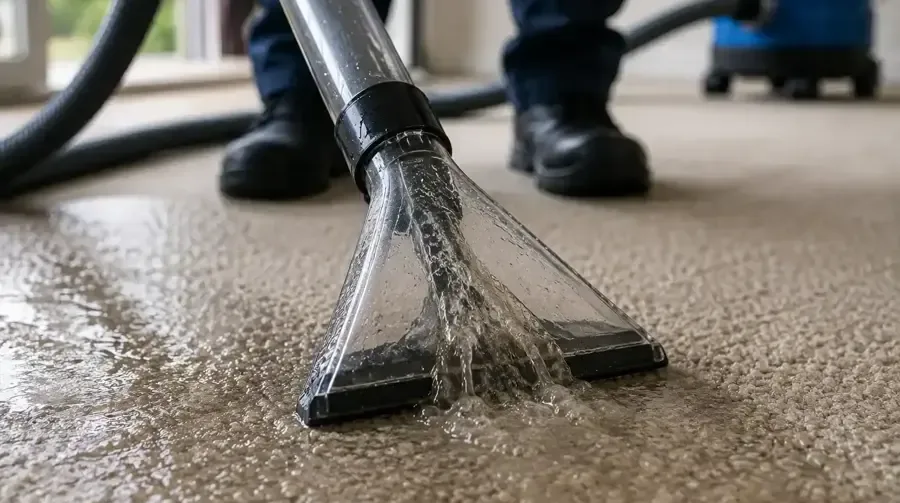 Water ExtractionExtraction recovers liquid water from affected surfaces before the remaining moisture moves into the drying phase.See the service
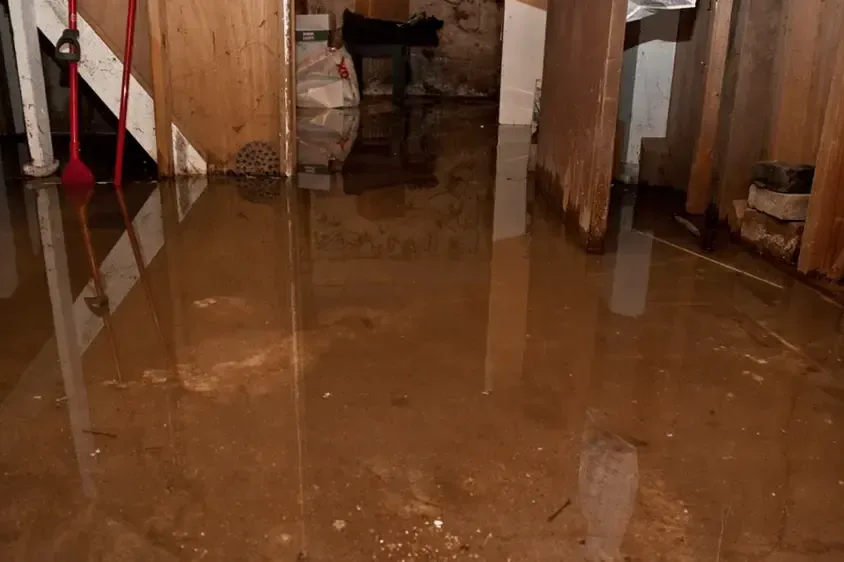 Basement Flooding CleanupAt properties with a basement, technicians check depth, utilities and lower-level materials before water removal.See the service
 Frozen Pipe Water DamageThaw-related releases require pipe isolation, then inspection of cavities and finishes beneath the damaged section.See the service
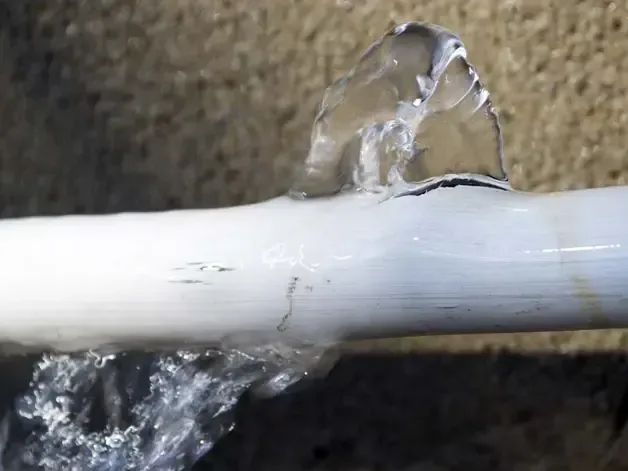
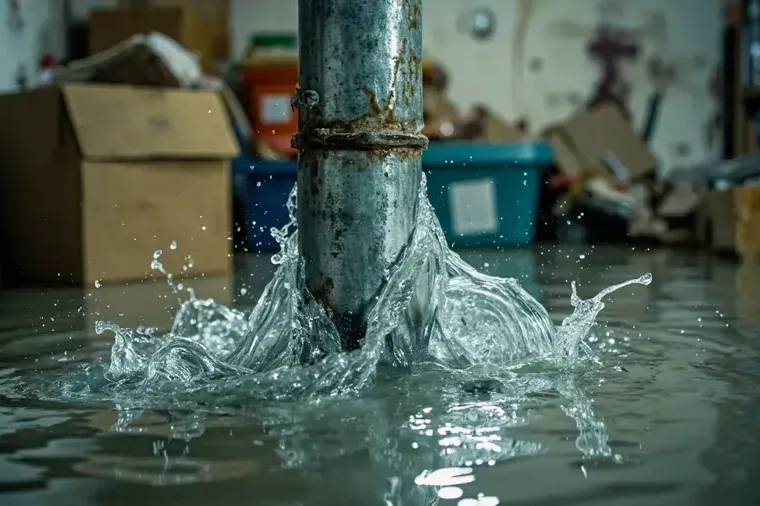 Burst Pipe CleanupA supply break can wet adjoining rooms; technicians map the spread after a plumber controls it.See the service
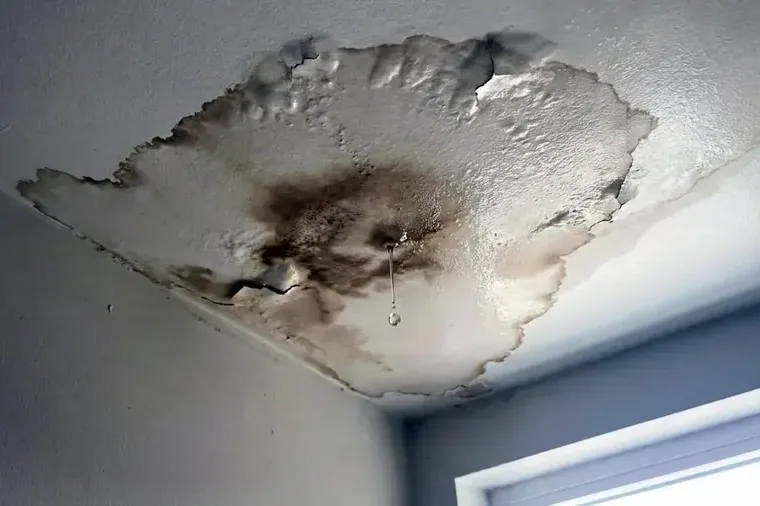 Roof Leak Water DamageRoof-entry water needs a traced attic route and a separate plan for damp insulation, framing and ceiling finishes.See the service
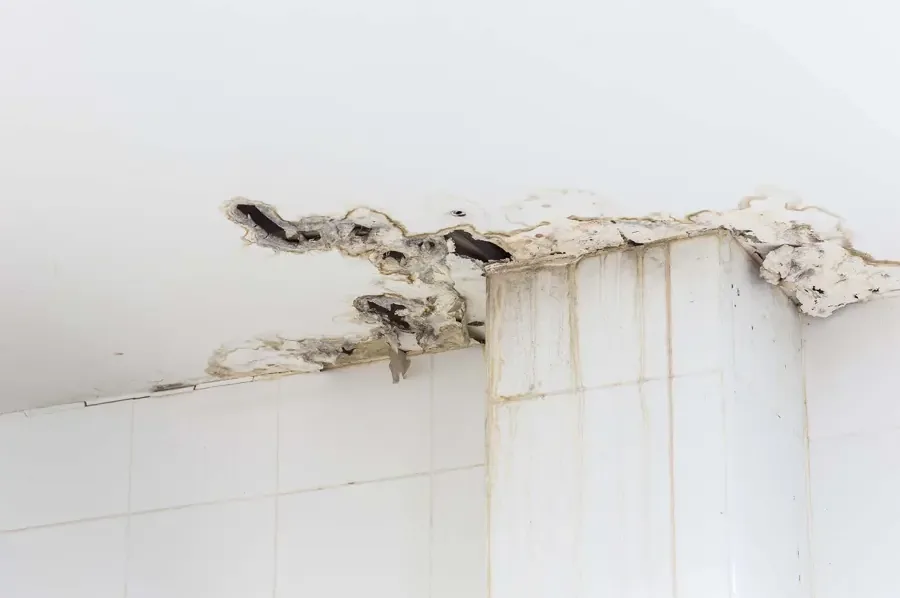 Ceiling Leak Water DamageAn overhead stain prompts checks of source, electrical involvement and weakened drywall before the crew opens the cavity.See the service
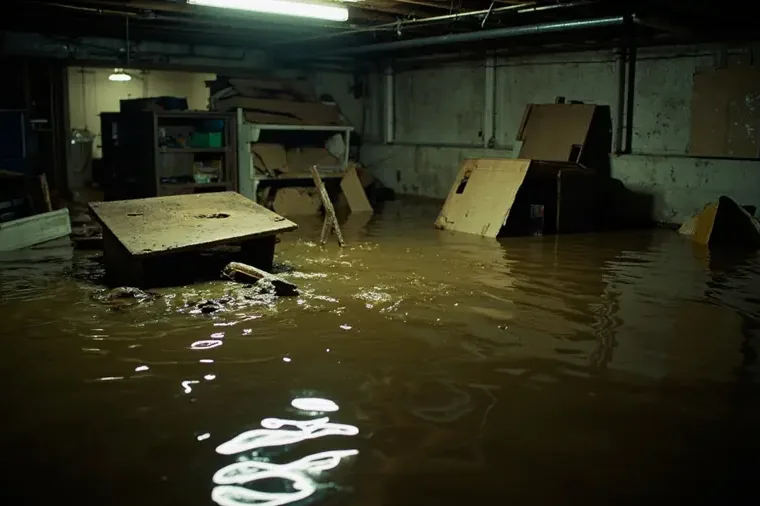 Sump Pump Failure CleanupWhere a sump system is present, overflow cleanup follows an assessment of returning water and the failed pump.See the service
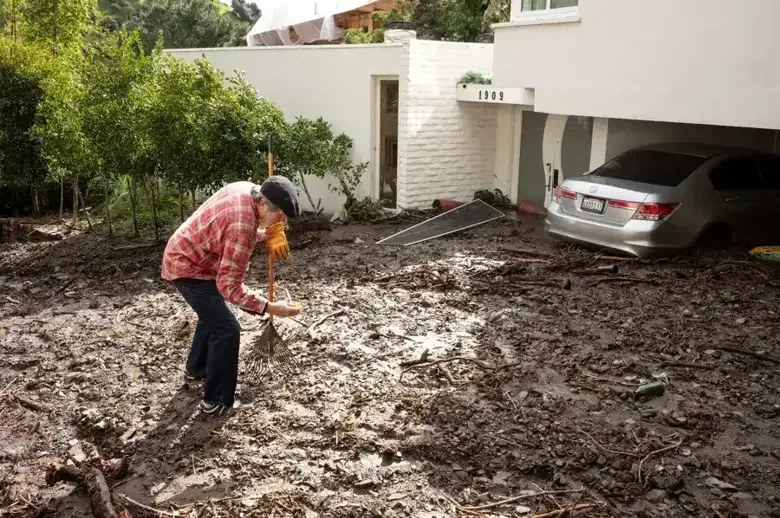 Storm Water DamageWeather-driven entry through an opening requires source protection and inspection of the wall or roof assembly behind it.See the service
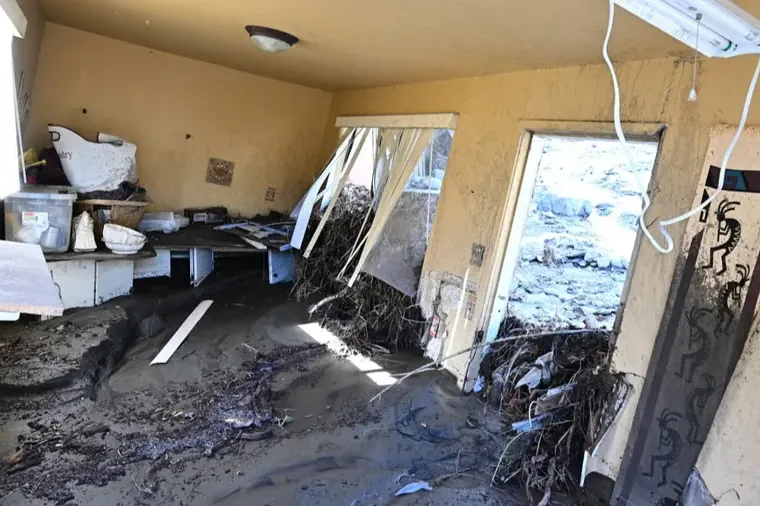 Flood CleanupWater that traveled outdoors brings contamination concerns, changing the removal, cleaning and drying sequence inside the building.See the service
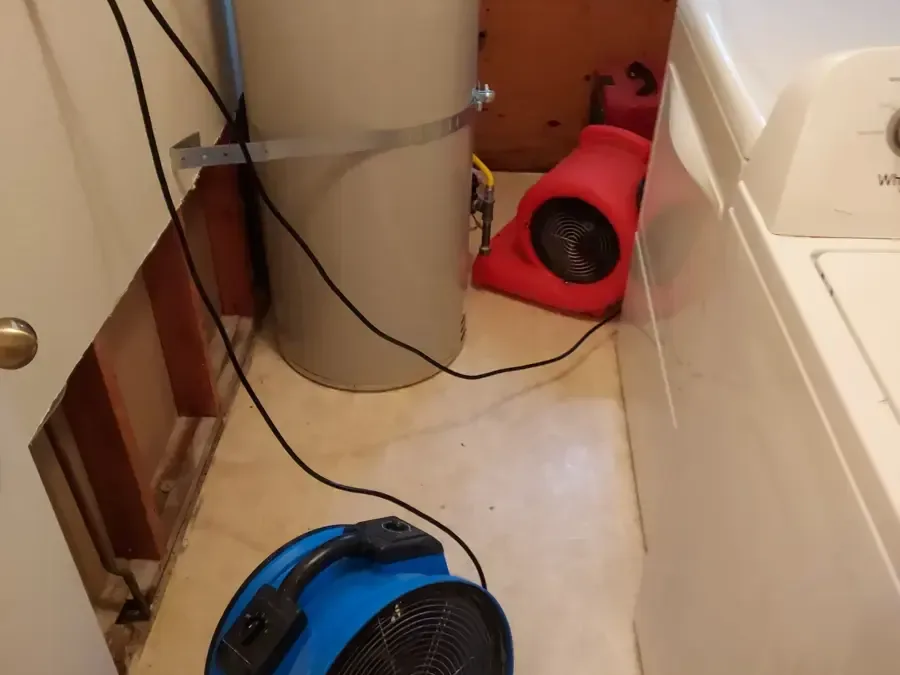
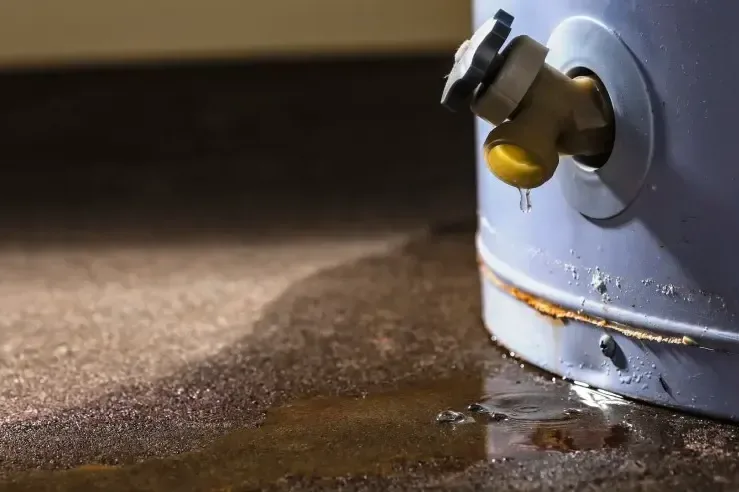 Water Heater Leak CleanupTank releases can saturate nearby supports and wall bottoms even after the open floor no longer holds water.See the service
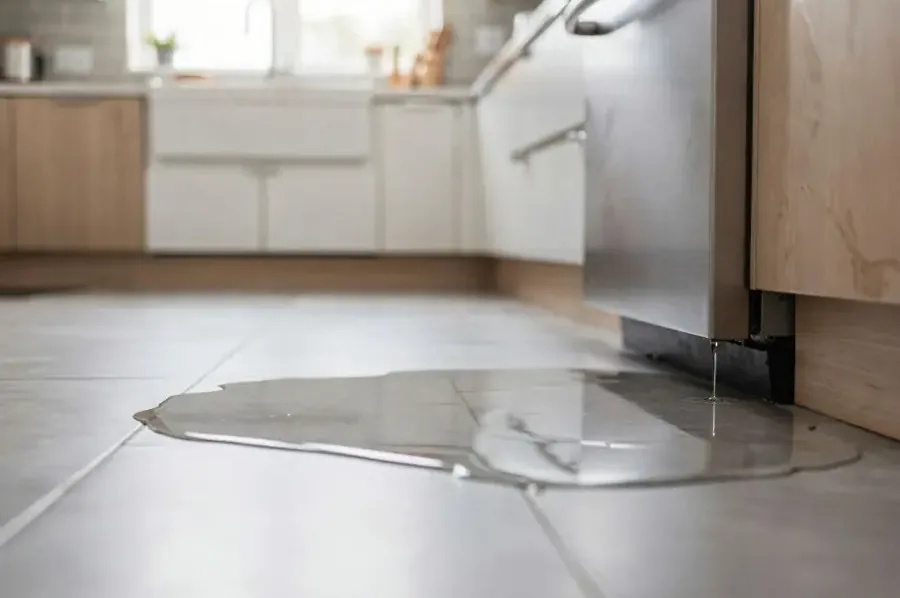 Appliance Leak Water DamageCabinet bases and concealed floor layers need attention when appliance supply or drain water escapes its intended path.See the service
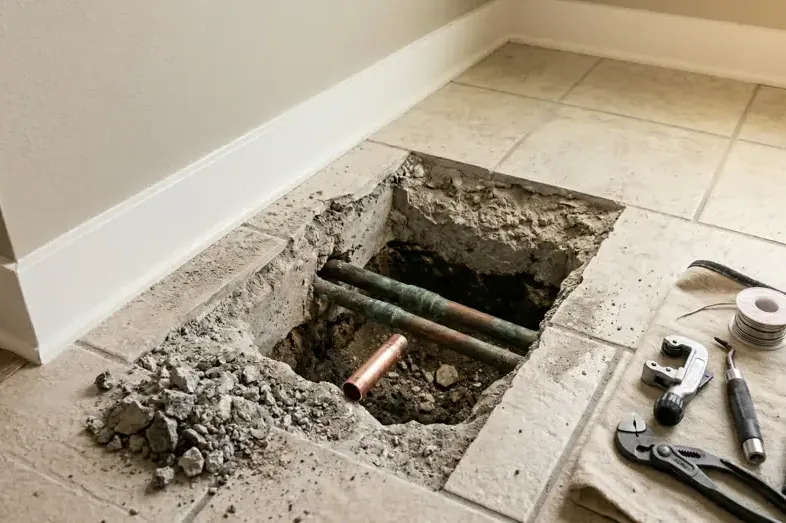 Slab Leak Water DamageConfirmed under-slab plumbing problems need source repair and a moisture assessment of the damaged finishes above the concrete.See the service
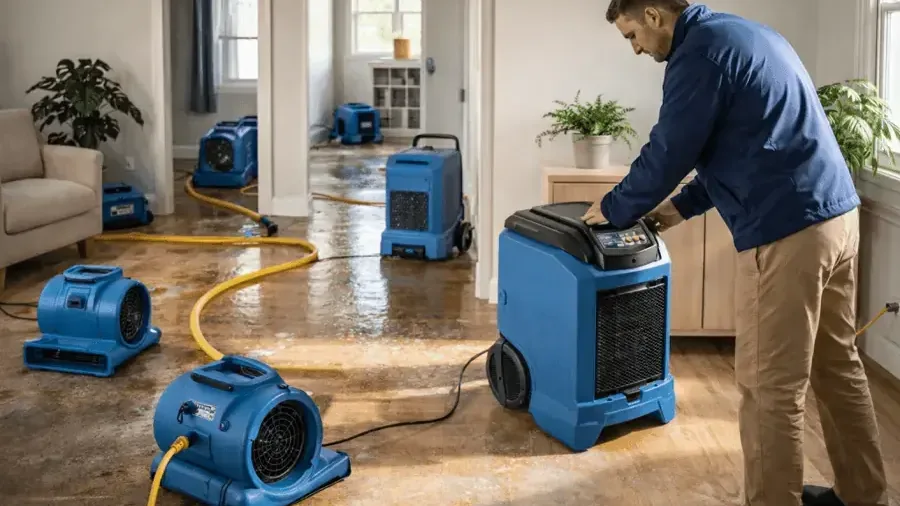 Structural DryingRepeat measurements show whether the chosen airflow and moisture removal are drying retained materials at a useful rate.See the service
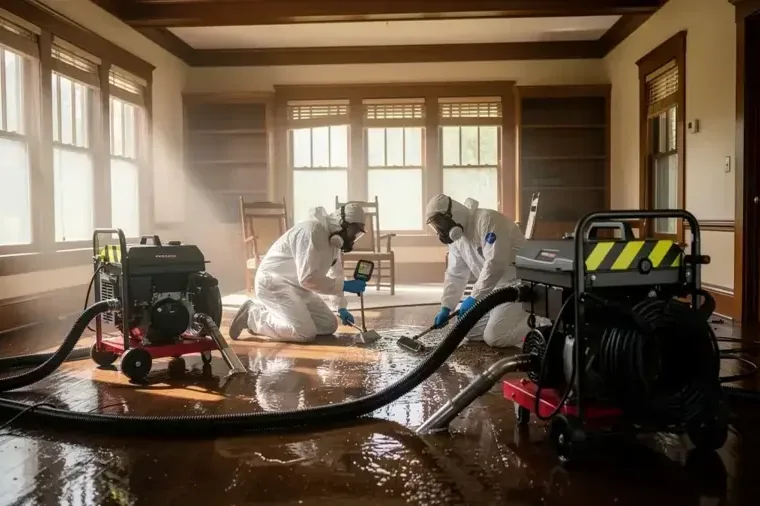 Sewage Backup CleanupBacked-up sewage requires restricted access, protective measures and removal of contaminated porous materials before the drying equipment runs.See the service
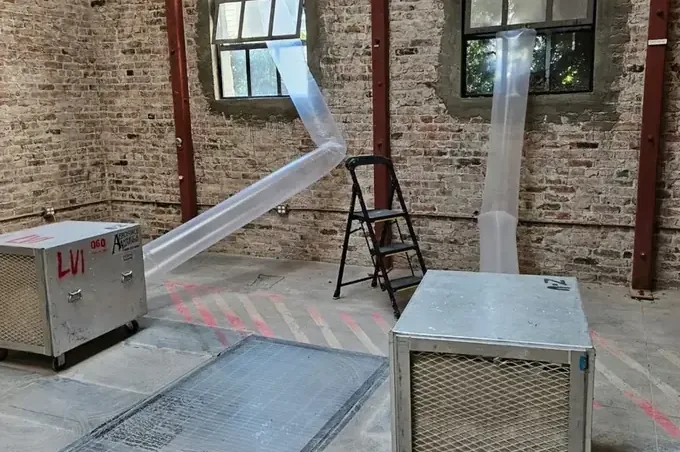 Commercial Water DamageWorkplace losses need coordinated access, utility checks and an affected-room inventory alongside the extraction and drying assessment.See the service
How cleanup moves toward a dry structure
The crew separates urgent source concerns from the material decisions that shape the rest of the work.
- 01
Establish safe working conditions
The response team checks entry hazards and the current water source. A trade professional handles the failed system while restoration technicians identify the rooms needing inspection.
- 02
Measure the affected assembly
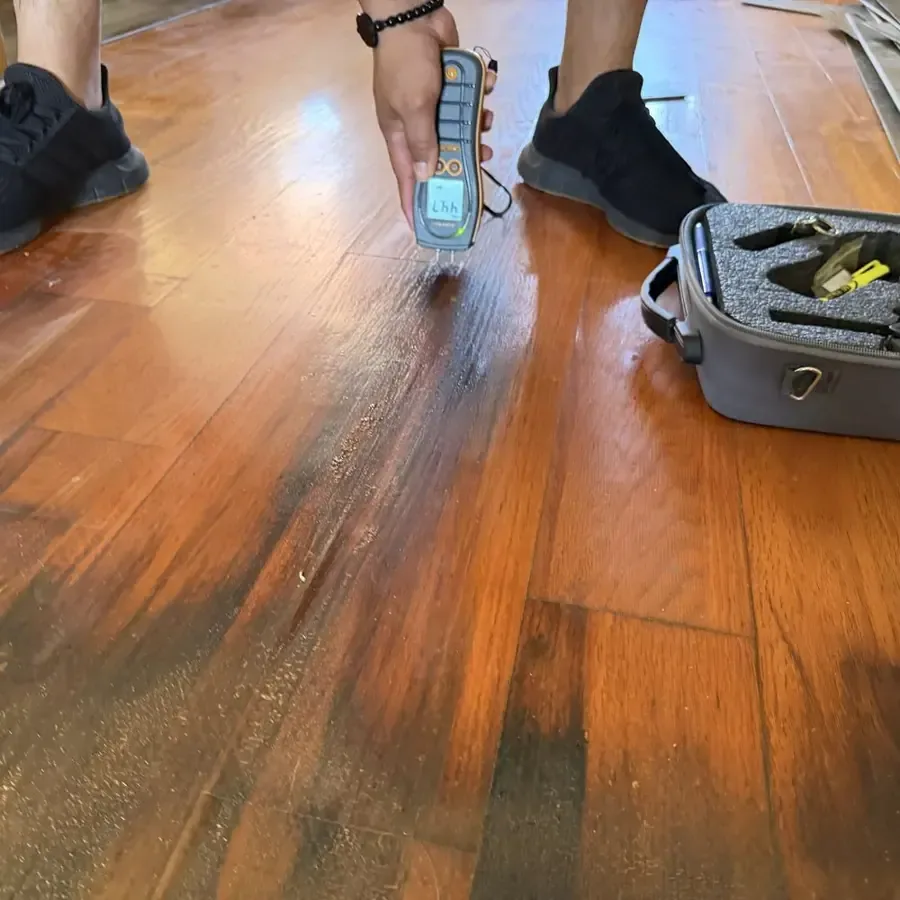
The technician checks suspect surfaces and adjoining spaces, marks wet boundaries and selects dry comparison points. Photographs preserve the condition before finishes or insulation are disturbed.
- 03
Recover water and expose damp layers
The removal crew extracts standing water and handles unsuitable materials. Drying personnel then arrange equipment around the exposed surfaces, contamination controls and moisture that remains.
- 04
Track change before closing work
Consistent measurement locations let the technician compare progress between visits. The final drying record explains the material goal and any adjustments made before replacement work begins.
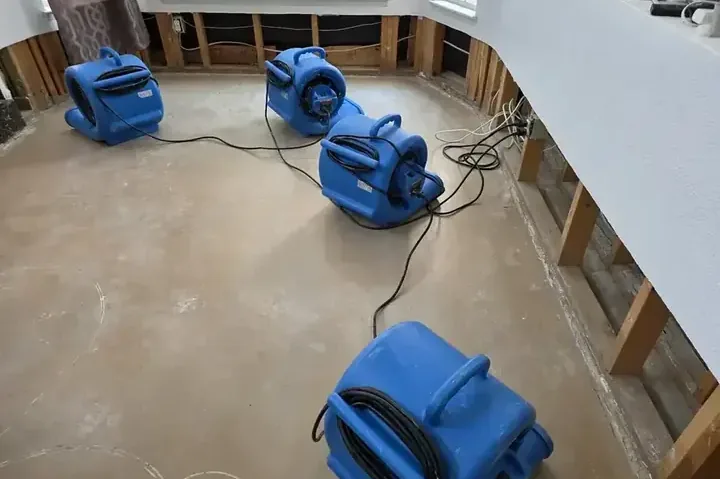
Nolanville cleanup from extraction to the final reading
Bella Charca includes custom and semi-custom homes, while Warriors Legacy is a newer residential community. Water moving beneath a finish can reach several layers before it becomes visible. The inspection identifies those layers and marks the points that need repeat moisture checks.
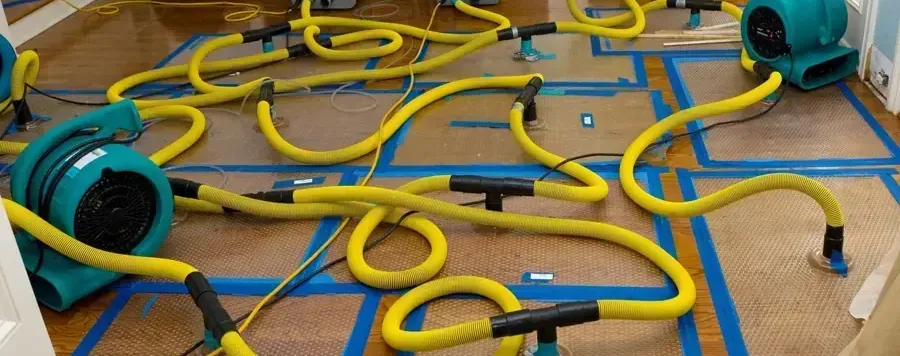
Extraction clears recoverable water so the drying team can assess what remains in framing, flooring and wall bases. Suitable retained surfaces receive controlled airflow and dehumidification, with readings guiding equipment changes and the timing of repairs.
Rapid local response
The dispatch team establishes the affected rooms and current water movement, then coordinates safe inspection and the equipment needed for removal.
IICRC S500 drying standard
Technicians document the water category, inspect retained assemblies and set a material drying goal supported by appropriate reference readings.
Claim-ready documentation
Photos, equipment notes and daily moisture records explain the cleanup decisions, giving the claim assessor a traceable account of the scope.
Careful material checks
Floor seams, cabinet bases and adjoining rooms receive moisture checks so the drying plan reaches layers hidden beneath the visible surface.
What does water damage restoration cost in Nolanville, TX?
A limited clean-water cleanup may fall around $900 to $2,400, while extensive contaminated work can exceed $12,500. The affected area, water category, material class and delay before drying all influence the scope. Property conditions determine the written assessment, not a calculator result.
Small accessible release
$900 to $2,400
- Water recovered from a contained area
- A small set of exposed materials
- Equipment with repeat moisture checks
Water across connected spaces
$2,400 to $6,800
- Wet layers behind finished surfaces
- More access and removal decisions
- Additional equipment and recorded visits
Large contaminated loss
$6,800 to $12,500+
- Controlled handling of Category 3 water
- Surface cleaning before drying starts
- Separate contents and repair decisions
Compare the selected conditions in the restoration cost calculator. The actual cleanup needs a measured scope at the property.
Water damage dried to the IICRC S500 standard
The technician follows moisture through retained materials instead of stopping at a dry surface. Extraction lowers the liquid load, and controlled air movement supports evaporation. Dehumidification removes that moisture from the room air while daily measurements show whether the assembly is reaching its recorded goal.
- Wet boundaries recorded
- Extraction before evaporation
- Repeat material readings
- Controlled room humidity
Documentation for your insurance claim
The job record preserves source observations, category and class, timestamped photos before removal and a moisture map. Daily psychrometric logs and a line-item scope explain equipment and material decisions.
Policy language controls coverage. The owner asks the insurer about the actual cause, including any difference between sudden plumbing releases and outdoor flooding; documentation supplies evidence without deciding payment.
A closer look at water removal and drying
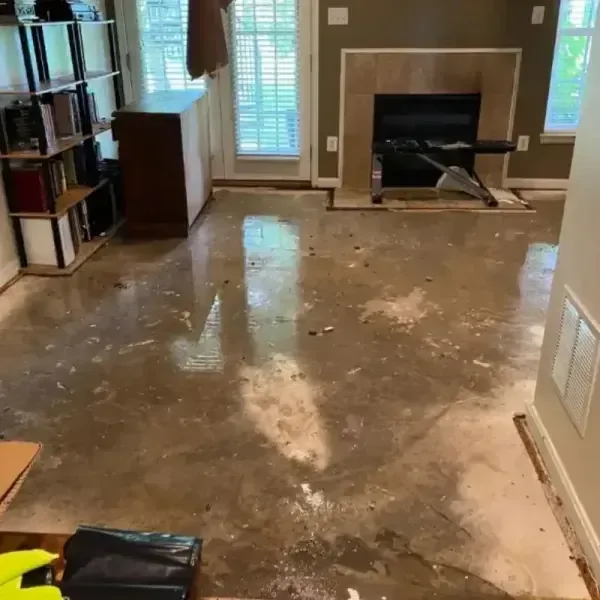
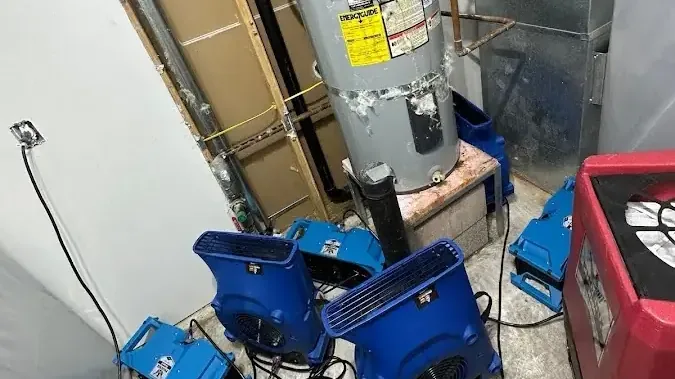
Water category determines safe handling
Sanitary supply water
A supply release can start relatively clean, but elapsed time and contact with other materials affect its current handling needs.
Water with contamination
Used water from an appliance or another contaminated source needs an assessment of exposure and the materials it reached.
Sewage or outdoor entry
Protective measures, porous-material removal and surface cleaning precede controlled drying where grossly contaminated water has traveled.
See sewage cleanup workWater damage coverage in Nolanville
The response team serves ZIP 76559, including Bella Charca, Cedar Heights Estates and Wildwood Estates, with the affected rooms and property access guiding equipment placement and assessment.
Town ZIP coverage
Residential coverage
- Bella Charca
- Warriors Legacy
- Cedar Heights Estates
Additional service towns
Help with wet rooms, any time of day
The dispatcher needs the wet rooms, active source and any access hazards. Those details help the response team coordinate an inspection without assuming the water category or building layout. The technician then measures what the release actually reached.
Water damage in Nolanville, TX: homes and hidden moisture
A wet room needs a clear source record and a map of connected materials. The crew checks below finishes and beside built-ins as removal progresses.
- South Nolan Creek is a water feature within the city of Nolanville.
- Interstate 14 and U.S. Highway 190 pass through Nolanville.
- Cedar Heights Estates and Wildwood Estates are established residential neighborhoods in the city.
- Historic Nolanville includes the area around the historic downtown.
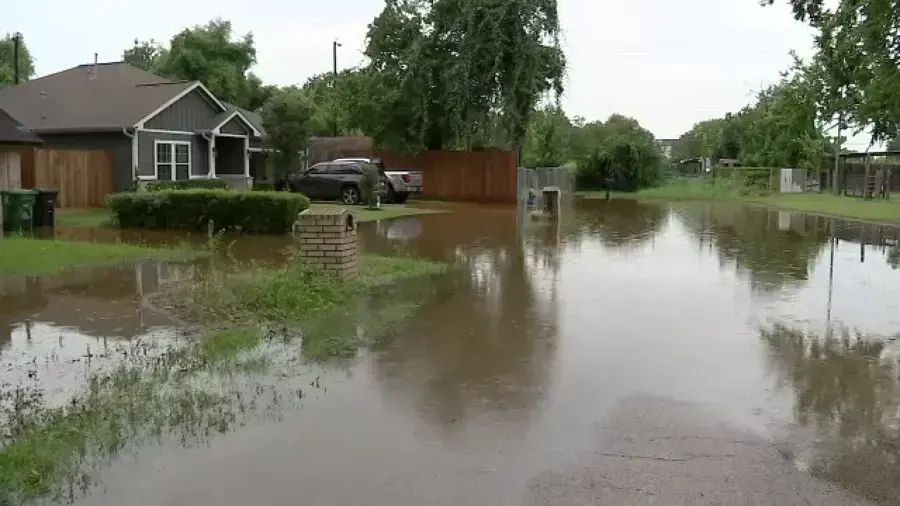
What happens during restoration?
Dampness beyond the visible puddle?
The technician traces adjoining floor edges and wall cavities before settling the boundary of the cleanup and drying work.
(888) 926-4485Ask about the concealed layersWhich water provider serves the property?
The city lists three water districts rather than a single provider for every resident. WCID #3 serves most residents, and 439 Water Supply Company covers the northern boundaries. The household should check its own account or city utility information when reporting a supply problem; the restoration team separately assesses indoor damage.
Does a neighborhood name establish the kind of water damage?
No. Bella Charca, Cedar Heights Estates and Wildwood Estates provide real local location context, but they do not identify the cause or construction of every home. The technician documents the actual pipe, appliance or entry path and checks the finishes reached by water before setting the work.
How does the crew approach an active indoor release?
The response team first considers safe access and whether water continues to enter. The relevant repair trade controls the source. Restoration personnel then recover accessible liquid water, inspect hidden edges and decide which materials can remain for drying and which need removal because of condition or contamination. The basement cleanup assessment applies where that lower-level space exists.
What happens when the damage is found overnight?
Emergency dispatch operates 24/7. The household can report the affected level, source status and any utility hazards without entering the wet area. Those observations help coordinate the assessment; the crew still needs to inspect the property before deciding the extent of extraction or the drying setup.
Can a room look dry while materials remain damp?
Yes. Flooring layers, insulation and wall cavities can retain moisture after the exposed surface changes appearance. A restoration technician checks appropriate materials with meters and records comparison points in dry areas. That evidence helps prevent new finishes from closing over an assembly that still needs drying access.
What changes how long equipment remains?
Material density, exposed surface area, indoor moisture removal and source control all affect progress. Technicians revisit the same measurement points and assessment the air readings, then change equipment or access if progress slows. Completion follows the documented material goal rather than a fixed number of days for every room.
Why are sewage and outdoor floodwater handled differently?
Category 3 contamination changes the first decisions. The cleanup crew limits access, establishes protective measures and removes affected porous materials. Suitable remaining surfaces receive cleaning, with any antimicrobial used according to its label and dwell time. Controlled drying starts after those contamination steps instead of spreading air through untreated material.
What evidence belongs with the restoration scope?
The written record should explain source observations, wet boundaries, category and class, photographs before removal and the daily drying readings. A detailed scope connects the work to the damaged materials. The insurer applies the policy terms, so the record supports a assessment without establishing whether a particular expense qualifies for coverage.
Can the estimate replace a visit to the property?
No. Planning ranges compare assumed conditions, while an assessment measures the actual area and material assembly. Concealed water, contamination or restricted access can change the required work. The owner can use the estimate to understand cost drivers, then assessment the written scope for the specific cleanup.
Water damage in a Nolanville property?
Restoration personnel assess the wet assembly, coordinate water removal and track the remaining moisture toward a documented drying goal.
- Nolanville, TX and nearby towns
- Emergency dispatch through nights and weekends
- Find us on Google