Flood Cleanup in Nolanville, TX
Floodwater entering from outside is treated as contaminated regardless of how clear it looks. The work begins with safe access and containment, then moves through sediment removal, material decisions, cleaning and verified structural drying. It also records the outdoor entry route.
(888) 926-4485Restrict the flood zone- 24/7 dispatch
- IICRC S500 drying standard
- Truck-mounted extraction
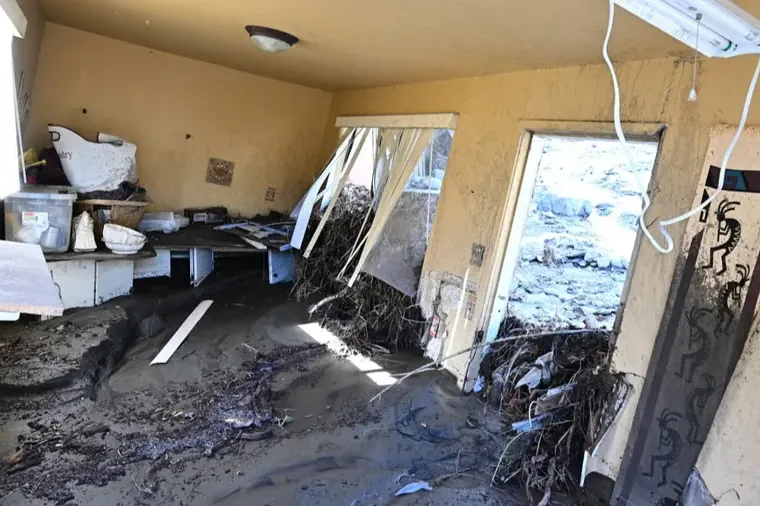
What to do the moment you find outdoor floodwater inside a building
- 1
Keep people and pets out
Do not walk through floodwater to retrieve belongings. Electrical hazards, displaced debris and contaminated surfaces require restricted access until the work zone is assessed from a dry location.
- 2
Record the high-water evidence
Photograph depth marks, sediment, entry points and room connections. Note public event information separately, because only the property inspection can define indoor contact and material loss.
- 3
Remove water and sediment
Extract standing water under appropriate controls, then collect mud and porous debris without carrying contamination into clean rooms. Establish a path for workers and removed material.
- 4
Clean before controlled drying
Treat retainable hard surfaces according to the cleanup plan. Once contaminated porous layers are handled and cleaning is documented, expose structural materials to monitored dehumidification.
How flood cleanup is handled in Nolanville
Flooring and underlayment
Outdoor water can move below finish seams into absorbent layers. Direct contact, condition and cleaning access determine what can remain after inspection. Seams and room transitions are included even when the surface has no visible stain.
Lower walls and insulation
Baseboard, drywall and insulation are assessed at the actual water line, including capillary rise and concealed contact inside the wall assembly. Removal height follows documented contact rather than a standard cut applied everywhere.
Hard surfaces and framing
Sound, accessible concrete or framing may remain after physical soil removal, documented cleaning and any required product dwell or rinse procedure. Treatment records identify the product, method and completed sequence for each area.
What does flood cleanup cost in Nolanville, TX?
Planning ranges reflect the entered area, contamination, porous removal, contents, containment and drying. Drainage correction, exterior repair and reconstruction are evaluated as separate scopes when needed. Specialty contents treatment can also affect the final documented project total.
Limited affected area
$1,700 to $4,800
- Shallow contained flood contact
- Accessible sediment and hard surfaces
- Limited porous removal
Several connected rooms
$4,800 to $12,500
- Floodwater crossed interior rooms
- Walls and contents need controlled handling
- Cleaning precedes multi-zone drying
Complex or extensive loss
$12,500+
- Deep or broad contaminated contact
- Large debris and contents scope
- Reconstruction evaluated separately
Compare the loss using the water damage cost calculator. The written scope depends on water category, affected materials and measured drying needs.
How flood cleanup work runs, start to finish
- 01
Assess source and access
The response team reviews outdoor floodwater inside a building, checks source control and confirms safe access, then coordinates extraction equipment and moisture assessment through 24/7 dispatch.
- 02
Map the moisture
The restoration technician marks affected rooms, compares wet materials with dry references and verifies suspected moisture with meters before choosing openings or equipment positions.
- 03
Extract and set the drying
The extraction crew removes recoverable water before the drying team balances airflow and LGR dehumidification with the room volume, water category and exposed materials.
- 04
Read daily, verify dry
The drying team records daily material readings and air conditions, adjusts the equipment when progress slows and verifies the documented drying goal before removal.
Outdoor floodwater carries uncertainty from every surface it crossed before entering. Clear appearance does not reduce that concern. A safe plan treats the contact as Category 3, establishes containment and prevents cleanup traffic from extending the affected area.
Use the water line as evidence, not a finish point
Depth marks help reconstruct the event, but porous materials can absorb water above the line and floor assemblies can spread it sideways. Measurements and selective access establish the true boundary. Public flood information remains context rather than proof for an individual address.
Plan a one-direction removal route
Water, mud and debris leave through a controlled path while dry belongings and rooms remain protected. The Nolanville restoration hub describes related extraction and drying services, but flood containment comes before those later phases.
- Restrict entry to the contaminated zone.
- Photograph contents before relocation or disposal decisions.
- Remove sediment before detailed surface cleaning.
Make material decisions by cleanability
Porous carpet, insulation and drywall can retain contamination within their structure. Concrete and sound framing may remain when cleaning access and condition support retention. Bella Charca, Cedar Heights Estates and South Nolan Creek are geographic coverage references; none identifies a flooded building.
Dry only after the work zone is clean
Air movement introduced too early can distribute contaminated particles. The file records debris removal, cleaning methods and labeled product use before structural dryout. See the main flood cleanup service for the full process framework.
South Nolan Creek is part of Nolanville. After outdoor water enters a room, the crew photographs silt, debris and water marks, then follows the contact path into adjoining surfaces before selecting removal and cleaning methods.
Source control and safe access come first.
Covering Nolanville, TX
The response team serves ZIP 76559, including Bella Charca, Cedar Heights Estates and Wildwood Estates, with the affected rooms and property access guiding equipment placement and assessment.
ZIP code 76559.
See every area servedRelated water damage services in Nolanville
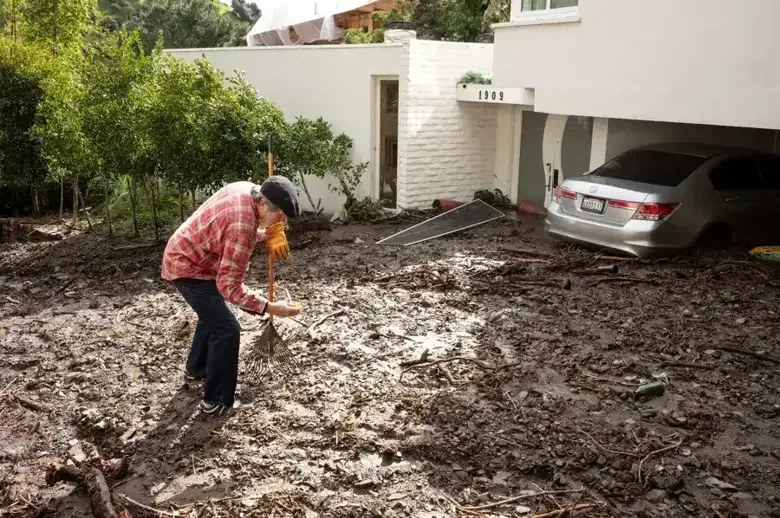 Storm Water Damage in NolanvilleWeather-driven entry through an opening requires source protection and inspection of the wall or roof assembly behind it.See the service
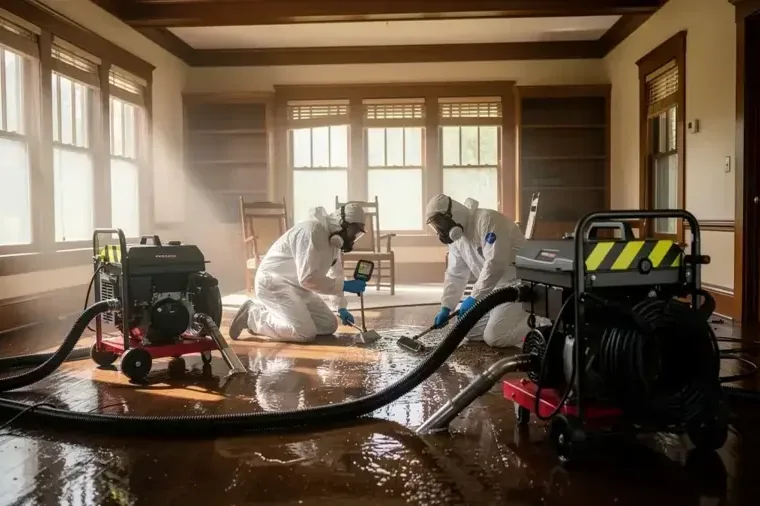 Sewage Backup Cleanup in NolanvilleBacked-up sewage requires restricted access, protective measures and removal of contaminated porous materials before the drying equipment runs.See the service
 Structural Drying in NolanvilleRepeat measurements show whether the chosen airflow and moisture removal are drying retained materials at a useful rate.See the service
Flood Cleanup in Harker Heights Water damage restoration in Nolanville
Flood Cleanup questions in Nolanville
Water reaching another room?
The response team assesses the affected rooms and source status before coordinating extraction and measured drying.
(888) 926-4485Discuss the wet roomsWhy is outside floodwater considered Category 3?
Its route can include soil, drains, waste and other contaminants that cannot be identified by appearance. Protective controls and material decisions therefore assume a significant health concern.
Can clear-looking floodwater be treated as clean?
No. Clarity does not reveal what the water contacted outdoors. The entry route and Category 3 approach directs containment, cleaning and removal of absorbent materials.
What should happen to muddy carpet?
Carpet and pad receive an evaluation based on contaminated contact, construction and cleaning feasibility. In many flood conditions, porous flooring requires documented removal rather than ordinary drying.
Why remove sediment before using air movers?
Drying airflow can spread loose soil and particles. Water and debris are extracted first, followed by detailed cleaning of retained surfaces before controlled structural drying begins.
Can framing remain after floodwater contact?
Sound framing may remain when it is accessible for soil removal, cleaning and drying. Physical damage or inaccessible contamination can change that decision at the property.
Does a flood map prove the building flooded?
No. Maps and event reports provide planning context. Depth marks, sediment, entry damage and indoor measurements establish what happened at the specific property.
When can reconstruction begin?
Reconstruction follows containment, contaminated debris removal, cleaning and verified drying of retained structure. The record should also identify any unresolved exterior entry or utility issue.
Flood Cleanup in Nolanville? Call now.
Emergency dispatch operates 24/7. The restoration team documents extraction, material removal and the readings that support the drying goal.
- Nolanville, TX and nearby towns
- Emergency dispatch through nights and weekends
- Find us on Google