Water Extraction in Bartlett, TX
Fast water removal matters, but the last visible puddle is not the end of the job. Extraction pairs repeated recovery passes with checks at floor seams, wall bases and room transitions so hidden wet layers move into a documented drying plan.
(888) 926-4485Mark the water edge- 24/7 dispatch
- IICRC S500 drying standard
- Truck-mounted extraction
What to do the moment you find standing water
- 1
Keep the approach clear
Stay outside areas with wet electrical equipment, unstable ceiling finishes or uncertain contamination. Prevent foot traffic from carrying water and residue into unaffected rooms before the boundary is marked.
- 2
Note how the water moved
From a safe location, photograph the source area, exposed water and each doorway it crossed. Record whether water is still entering and when the condition was discovered.
- 3
Recover liquid by surface
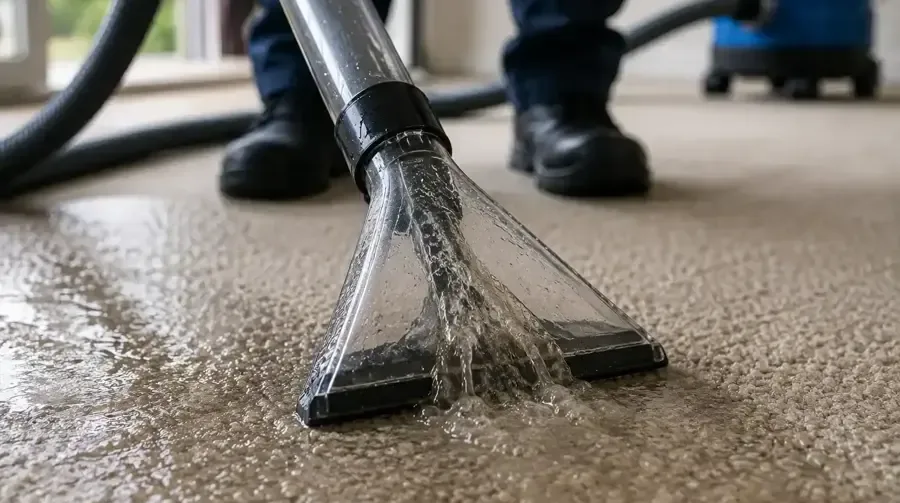
Use pumping or extraction methods suited to carpet, hard flooring and accessible cavities. Repeated passes continue while the tool is still removing meaningful liquid from the assembly.
- 4
Transfer findings to drying
Measure flooring layers, base materials and nearby rooms against dry references. Marked results define equipment zones and provide the starting readings used through structural drying.
How water extraction is handled in Bartlett
Carpet systems and nearby trim
Recoverable water is removed from the face and pad where conditions allow. Category, backing condition and subfloor readings determine whether layers can remain. Wall bases stay included in the mapped boundary.
Hard floors with concealed layers
Surface pickup is followed by checks at seams, edges and transitions. Underlayment or subfloor moisture may require access even when the wear surface looks clear. Decisions are recorded by material.
Contents within the wet route
Affected belongings are photographed when conditions permit, grouped by contact and moved along a protected path. The cleared floor area can then receive extraction without spreading residue into dry spaces.
What does water extraction cost in Bartlett, TX?
Cost changes with liquid volume, water category, connected rooms, floor construction, contents and access. Plumbing correction, replacement materials and reconstruction remain separate. The extraction scope is tied to recoverable water and the measured boundary left for drying.
Limited affected area
$900 to $2,400
- Accessible water in one room
- Simple floor transitions checked
- Focused extraction passes
Several connected rooms
$2,400 to $6,800
- Water crosses multiple thresholds
- Layered flooring needs assessment
- Several recovery zones documented
Complex or extensive loss
$6,800+
- Broad spread or contamination
- Cavities and contents involved
- Special access planned separately
Compare the loss using the water damage cost calculator. The written scope depends on water category, affected materials and measured drying needs.
How water extraction work runs, start to finish
- 01
Assess source and access
The response team reviews standing water, checks source control and confirms safe access, then coordinates extraction equipment and moisture assessment through 24/7 dispatch.
- 02
Map the moisture
The restoration technician marks affected rooms, compares wet materials with dry references and verifies suspected moisture with meters before choosing openings or equipment positions.
- 03
Extract and set the drying
The extraction crew removes recoverable water before the drying team balances airflow and LGR dehumidification with the room volume, water category and exposed materials.
- 04
Read daily, verify dry
The drying team records daily material readings and air conditions, adjusts the equipment when progress slows and verifies the documented drying goal before removal.
Water extraction works best as a measured handoff. Liquid is recovered from reachable surfaces, but each pass also reveals where water is trapped, which materials need direct access and where drying readings should begin.
Start after the route is safe
The April 2024 flooding at the Bartlett Lumber Yard shows why access comes before equipment. One shop and three apartments were documented as flooded, yet that event does not define another property. Current electrical conditions, water origin and structural stability control the first move.
Follow floors beyond the puddle
Across Main Street spaces, floor transitions may connect rooms even when their finishes differ. Extraction personnel check seams and edges as liquid recovery slows. The local restoration overview explains how these findings lead into cleaning and drying decisions.
- Use collection points that avoid unnecessary tracking.
- Repeat passes while they continue producing water.
- Record the layer that remains wet after recovery.
Mapping water across the floor
The Williamson-Bell county line divides portions of the city, but it says nothing about water movement within a building. Measurements taken at the actual loss establish the wet boundary and prevent a postal or municipal label from becoming a material assumption.
Move from removal into drying
When extraction tools stop recovering meaningful liquid, readings determine the next step. Air movement and dehumidification are arranged for exposed wet materials, with broader process details on the main water extraction page.
The recovery record also identifies what extraction cannot remove. Damp insulation, swollen composite material or water held beneath a finish needs a separate access decision. That distinction prevents repeated surface passes from being mistaken for structural drying and gives later monitoring a clear starting condition for every retained layer.
Source control and safe access come first.
Covering Bartlett, TX
Water damage service covers downtown Bartlett, Main Street and the residential areas on both county sides. Dispatch checks the affected floor, source status and safe access before coordinating the inspection.
ZIP code 76511.
See every area servedRelated water damage services in Bartlett
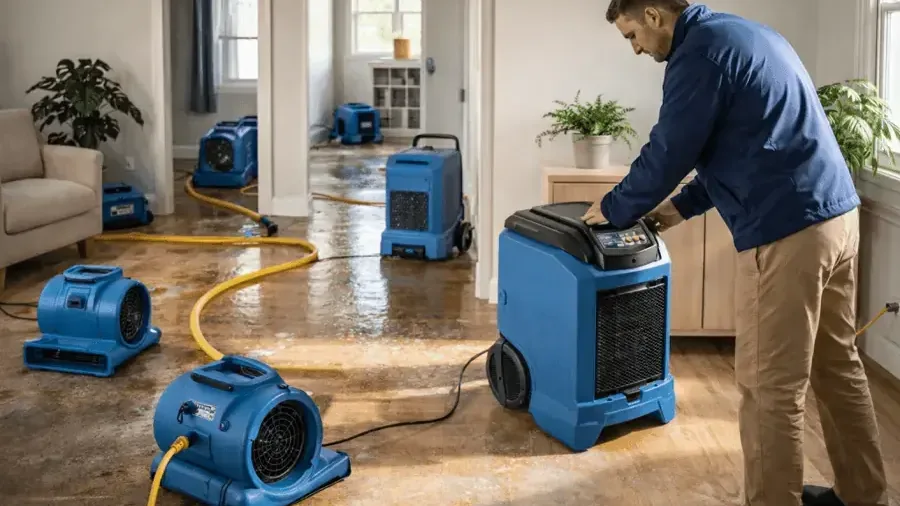 Structural Drying in BartlettAir movement, dehumidification and repeat material readings continue until documented drying goals are reached.See the service
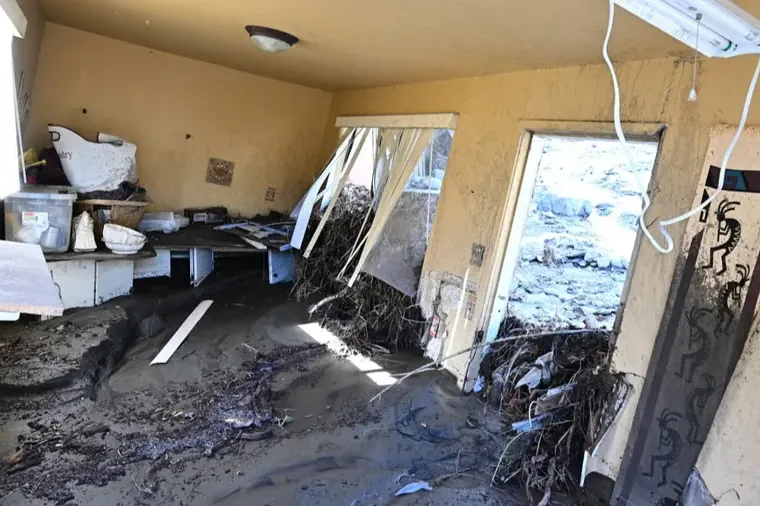 Flood Cleanup in BartlettFlood work separates dirty water areas, removes unsalvageable porous materials and cleans retained structural surfaces before drying.See the service
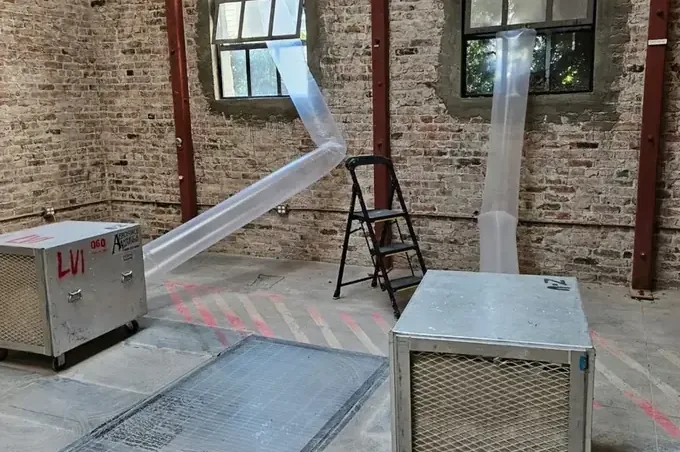 Commercial Water Damage in BartlettBusiness cleanup coordinates access, contents, work zones and moisture records while keeping repair tasks separately defined.See the service
Water Extraction in Harker Heights Water damage restoration in Bartlett
Water Extraction questions in Bartlett
Water reaching another room?
The response team assesses the affected rooms and source status before coordinating extraction and measured drying.
(888) 926-4485Discuss the wet roomsWhen should extraction equipment enter?
Equipment enters after personnel confirm a safe route, reasonable source control and the likely water category. Electrical exposure, unstable finishes or outdoor water can require protective actions before liquid recovery begins.
Does removing puddles finish the cleanup?
No. Water may remain in carpet pad, subfloor, wall bases and cavities. Extraction reduces the liquid load, while moisture readings show which assemblies need access, cleaning or controlled drying afterward.
Can soaked carpet always be extracted and kept?
Retention depends on water category, elapsed conditions, backing integrity and the materials below. Face extraction alone cannot establish whether the pad or subfloor is suitable to remain.
How is water beneath a finished floor located?
Technicians check seams, thresholds and wall edges, comparing wet readings with dry parts of the same material. Access beneath damaged finishes can reveal trapped water and show whether extraction, removal or further drying is needed.
How are hard floors checked?
Personnel examine seams, perimeter gaps and thresholds, then compare subsurface readings with dry references. A clear surface can sit above wet underlayment, adhesive or subfloor that needs a separate decision.
Who repairs the failed source?
A qualified plumbing, appliance or roofing trade addresses the failed component. Restoration personnel document whether entry is controlled and handle water, affected finishes, cleaning and drying within the approved scope.
Why repeat readings after extraction?
The post-extraction map establishes where retained moisture remains. Later readings at those same positions reveal whether airflow and dehumidification are working or whether access needs to change.
Water Extraction in Bartlett? Call now.
Emergency dispatch operates 24/7. The restoration team documents extraction, material removal and the readings that support the drying goal.
- Bartlett, TX and nearby towns
- Emergency dispatch through nights and weekends
- Find us on Google