Sewage Backup Cleanup in Salado, TX
A sewage backup creates an exposure boundary before it creates a drying plan. Occupants remain outside while personnel establish containment, wear PPE, remove contaminated porous material and physically clean sound retained surfaces within the contained work zone.
(888) 926-4485Keep outside the affected area- 24/7 dispatch
- IICRC S500 drying standard
- Truck-mounted extraction
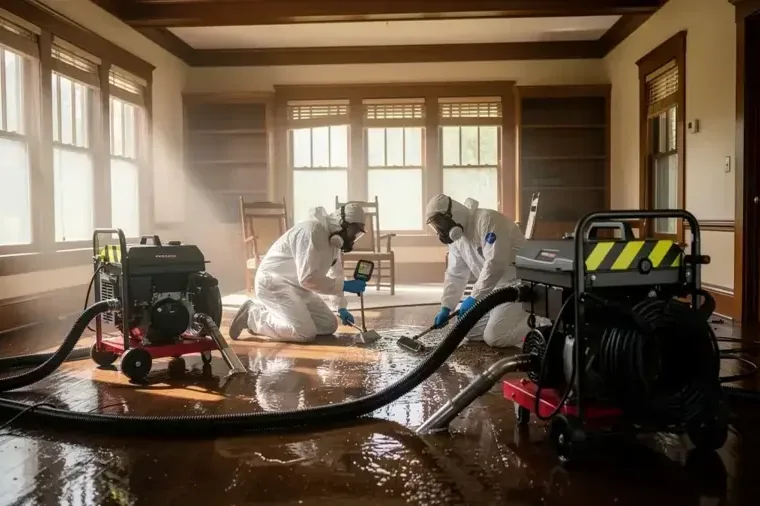
What to do the moment you find sewage inside a building
- 1
Close access to the area
People and pets stay outside the affected rooms. Personnel establish a contained work boundary and a debris route that does not cross clean portions of the building.
- 2
Stop the source through the proper trade
A plumber or wastewater professional diagnoses the backup. Restoration records source status without claiming a private lateral ownership rule or a village-wide backup pattern.
- 3
Remove water and porous material
Waste water is extracted under Category 3 controls. Contacted drywall, insulation, carpet and other porous materials are removed above the affected waterline where contamination reached them.
- 4
Clean before structural drying
Retained hard surfaces are physically cleaned. An EPA-registered antimicrobial is applied where appropriate at labeled dwell time before controlled airflow and dehumidification begin.
How sewage backup cleanup is handled in Salado
Porous walls and flooring
Contacted drywall, insulation, carpet and pad generally require controlled removal. During that work, full containment protects adjacent rooms while the team records capillary spread above the visible waterline and removes affected porous layers within the documented boundary.
Retained hard surfaces
Sound tile, concrete or framing is cleaned by appropriate physical methods. Treatment follows with an EPA-registered product used for its labeled dwell time.
Contents and travel paths
Belongings are separated by contact and cleanability. Debris exits through containment, while clean areas are protected from footwear, tools and waste movement.
What does sewage backup cleanup cost in Salado, TX?
Sewage cleanup cost reflects affected area, porous removal, contents, access and the amount of retained surface cleaning. Source repair and reconstruction are separate. Field evidence establishes the Category 3 boundary and work sequence.
Contained sewage area
$1,600 to $4,300
- Small controlled boundary with PPE controls
- Focused porous removal
- Accessible surface cleaning
Several contaminated rooms
$4,300 to $11,800
- Broad containment needed after physical cleaning
- Contents handling included
- Multiple cleaned zones
Extensive Category 3 work
$11,800+
- Large removal boundary through contained disposal
- Cavities and contents affected
- Repairs scoped separately
Compare the loss using the water damage cost calculator. The written scope depends on water category, affected materials and measured drying needs.
How sewage backup cleanup work runs, start to finish
- 01
Assess source and access
The response team reviews sewage inside a building, checks source control and confirms safe access, then coordinates extraction equipment and moisture assessment through 24/7 dispatch.
- 02
Map the moisture
The restoration technician marks affected rooms, compares wet materials with dry references and verifies suspected moisture with meters before choosing openings or equipment positions.
- 03
Extract and set the drying
The extraction crew removes recoverable water before the drying team balances airflow and LGR dehumidification with the room volume, water category and exposed materials.
- 04
Read daily, verify dry
The drying team records daily material readings and air conditions, adjusts the equipment when progress slows and verifies the documented drying goal before removal.
Sewage cleanup protects the unaffected part of the building from the first entry. The work route, PPE and containment are planned before water or debris moves, because uncontrolled traffic can enlarge the contamination boundary.
Locating the backup source
Salado has a wastewater system with mains, manholes, pumps and valves. For a backup on Main Street, Royal Street or near College Park, a qualified professional investigates the drain path. Cleanup personnel document indoor contact, restrict access and check adjoining absorbent materials before removal.
Remove materials that cannot be safely retained
Sewage begins as Category 3. Porous finishes are removed above the affected waterline where contact or capillary spread reached them. The local restoration steps explains how category drives the sequence.
- Maintain a contained debris route.
- Separate contents by contact and material.
- Physically clean sound hard surfaces.
- Follow antimicrobial label dwell time.
Keep creek water and sewage sources distinct
Salado Creek is verified geography, not evidence about an indoor drain backup. Restoration records the actual source findings and material contact without turning a municipal system fact into a private-property conclusion.
Begin drying on the clean side of the process
Only after removal and cleaning does controlled airflow start. The main sewage cleanup page adds broader detail. Retained framing and hard surfaces then receive repeat moisture checks.
The final file records containment, removed material, cleaning methods, product use and drying results. Plumbing repair, reconstruction and policy coverage stay outside that factual restoration scope.
Tools used inside containment remain separated from clean equipment until decontamination is complete. This handling record supports the boundary and helps prevent accidental transfer during later monitoring.
Containment remains documented.
Source control and safe access come first.
Covering Salado, TX
Service covers ZIP area 76571, including Main Street, Royal Street and the College Park area. The property layout and current water conditions direct access and equipment placement.
ZIP code 76571.
See every area servedRelated water damage services in Salado
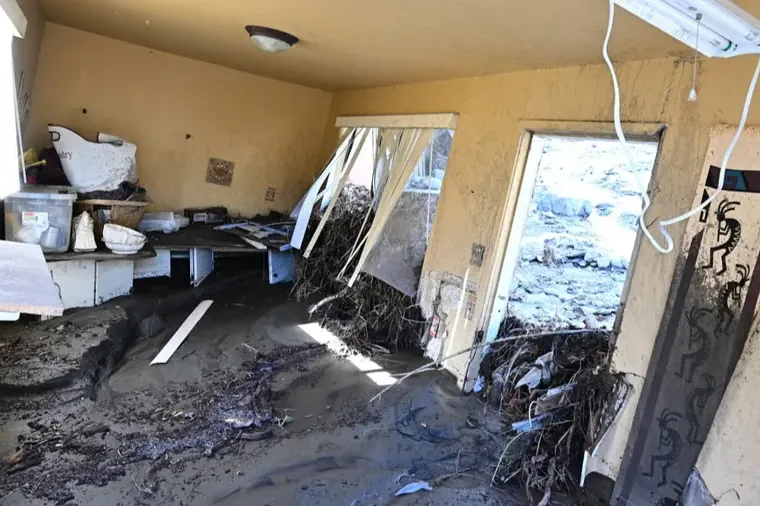 Flood Cleanup in SaladoOutdoor water begins as Category 3, bringing access restrictions, porous removal and documented treatment before structural drying.See the service
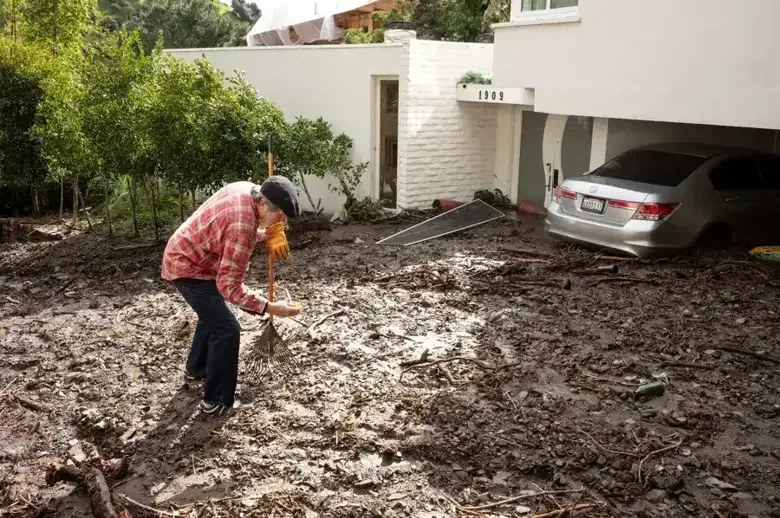 Storm Water Damage in SaladoWeather entry requires exterior stabilization, controlled debris handling and cleaning before airflow reaches retained indoor construction.See the service
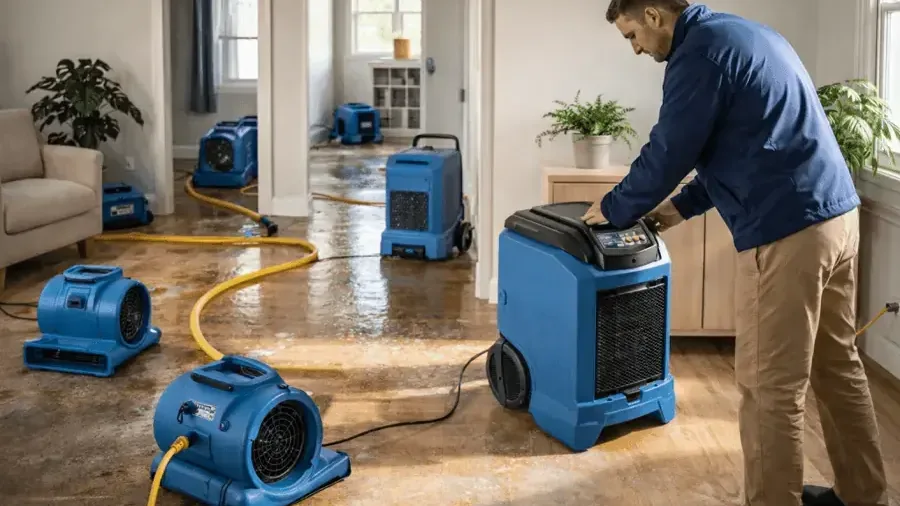 Structural Drying in SaladoFixed checkpoints show whether controlled airflow and dehumidification are changing retained framing, subfloors and wall materials.See the service
Sewage Backup Cleanup in Harker Heights Water damage restoration in Salado
Sewage Backup Cleanup questions in Salado
Water reaching another room?
The response team assesses the affected rooms and source status before coordinating extraction and measured drying.
(888) 926-4485Discuss the wet roomsShould occupants enter to move belongings?
No. People and pets should stay outside the affected area. Trained personnel establish containment, PPE and a controlled route before handling contents or water. Contents should not be carried across clean routes before the controlled handling plan is ready.
Is sewage considered Category 3?
Yes. Sewage starts as Category 3 and requires access controls, porous-material removal, physical cleaning and appropriate treatment before structural drying throughout the affected rooms and cavities.
Who determines the cause of the backup?
A qualified plumbing or wastewater professional investigates the source. The findings identify the affected connection, the work needed to stop the backup and any follow-up for the property owner.
How far above the waterline is material removed?
The boundary follows contact and capillary spread. Porous material is removed above the visible line where evidence shows contamination reached it.
Does antimicrobial replace cleaning?
No. Sewage soil and debris are removed and retained surfaces are physically cleaned first. An EPA-registered product is then used according to its label and dwell time.
When can air movers operate?
After contaminated porous material is removed and retained surfaces are cleaned. Starting airflow earlier could distribute untreated contamination beyond the work zone.
What documentation is useful?
Source notes, category, containment photographs, removal boundaries, cleaning steps, product records, equipment logs and closing readings describe the completed work.
Sewage Backup Cleanup in Salado? Call now.
Emergency dispatch operates 24/7. The restoration team documents extraction, material removal and the readings that support the drying goal.
- Salado, TX and nearby towns
- Emergency dispatch through nights and weekends
- Find us on Google