Flood Cleanup in Salado, TX
A mapped flood designation and water inside a building are different questions. When outdoor water actually enters, cleanup starts with Category 3 access limits, source observations and a material-by-material boundary before work begins.
(888) 926-4485Report the outdoor entry- 24/7 dispatch
- IICRC S500 drying standard
- Truck-mounted extraction
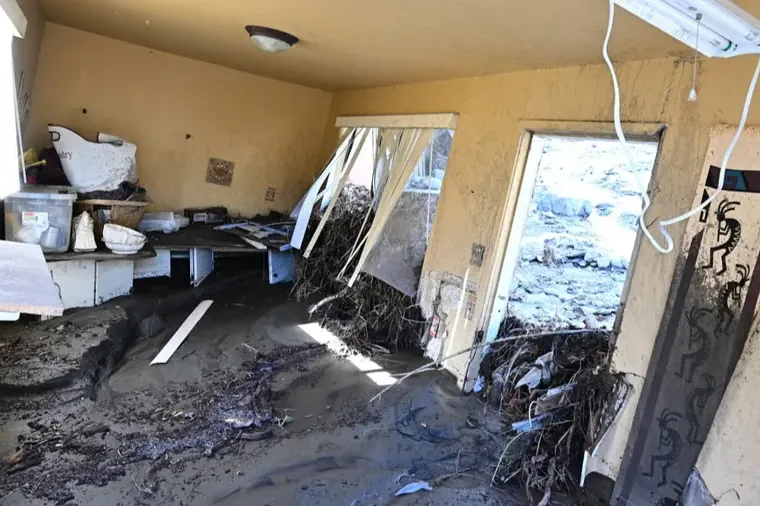
What to do the moment you find outdoor floodwater inside a building
- 1
Stay outside the affected zone
Do not walk through outdoor water to reach belongings or utilities. Electrical exposure, debris and unstable finishes require a controlled entry route and protective equipment.
- 2
Record where water crossed inside
Photograph doors, wall lines and other entry points when safe. The observed route and high-water marks describe the event more accurately than a general corridor assumption.
- 3
Remove gross contamination
Extract accessible water, contain debris and remove contacted porous materials above the affected waterline where contamination has reached them. Bagging and traffic controls protect clean areas.
- 4
Clean before applying airflow
Retained hard surfaces receive physical cleaning. An EPA-registered antimicrobial is applied where appropriate at labeled dwell time, then monitored drying can begin.
How flood cleanup is handled in Salado
Lower walls and insulation
Flood-cut decisions follow water marks, capillary spread, material type and contamination. Open framing is cleaned and inspected before it enters the drying record safely.
Flooring and hard surfaces
Porous flooring exposed to outdoor water receives removal evaluation. Sound concrete, tile and other retained surfaces are scrubbed and rinsed as appropriate before treatment.
Contents and clean pathways
Belongings are separated by contact and cleanability. Movement follows contained routes so contaminated tools and debris do not cross unaffected parts of the building.
What does flood cleanup cost in Salado, TX?
Flood cleanup cost reflects water depth, contaminated area, porous removal, contents, access and structural materials. Exterior correction and reconstruction are separate. On-site findings connect the price range with the actual Category 3 boundary.
Limited outdoor entry
$1,700 to $4,800
- Small contained area under contained access
- Focused porous removal
- Retained surfaces accessible
Multi-room flood cleanup
$4,800 to $12,500
- Several contaminated zones with surface treatment
- Contents handling required
- Broad cleaning and drying
Extensive flood conditions
$12,500+
- Large Category 3 boundary after detailed documentation
- Structural cavities exposed
- Repairs scoped separately
Compare the loss using the water damage cost calculator. The written scope depends on water category, affected materials and measured drying needs.
How flood cleanup work runs, start to finish
- 01
Assess source and access
The response team reviews outdoor floodwater inside a building, checks source control and confirms safe access, then coordinates extraction equipment and moisture assessment through 24/7 dispatch.
- 02
Map the moisture
The restoration technician marks affected rooms, compares wet materials with dry references and verifies suspected moisture with meters before choosing openings or equipment positions.
- 03
Extract and set the drying
The extraction crew removes recoverable water before the drying team balances airflow and LGR dehumidification with the room volume, water category and exposed materials.
- 04
Read daily, verify dry
The drying team records daily material readings and air conditions, adjusts the equipment when progress slows and verifies the documented drying goal before removal.
Flood cleanup depends on evidence inside the building. An official map can answer a property-location question, but it cannot show the current waterline, contamination, contacted finishes or the path water took through rooms.
Ask the map the question it can answer
The Village of Salado published a 2025 floodplain map and points users to the FEMA Flood Map Service Center. That map does not place every property near Salado Creek in a flood zone or prove entry at Main Street, Royal Street or College Park.
Build a Category 3 work boundary
Outdoor water can carry soil and other contaminants. Personnel restrict access, use PPE and isolate removal routes. The local restoration steps explains how category shapes material decisions across the project.
- Mark the waterline and capillary spread.
- Remove contacted porous material under containment.
- Physically clean sound retained surfaces.
- Honor antimicrobial label dwell time.
Protect the portion that stayed clean
Tools, debris and affected contents follow controlled paths. Clean items are separated before demolition starts. This traffic planning matters as much as extraction because contamination can otherwise move beyond the original water boundary.
Measure drying after decontamination
Air movers and dehumidifiers operate after removal and cleaning are complete. The main flood cleanup page provides broader service details. Framing and other retained materials receive repeat readings at fixed locations.
The final file records map references separately from field observations. It also distinguishes restoration work from drainage correction, structural repair and insurance coverage decisions.
Crews also record which surfaces were reachable for cleaning and which cavities required exposure. This prevents a treated surface from masking porous material that still carries contamination behind it.
Source control and safe access come first.
Covering Salado, TX
Service covers ZIP area 76571, including Main Street, Royal Street and the College Park area. The property layout and current water conditions direct access and equipment placement.
ZIP code 76571.
See every area servedRelated water damage services in Salado
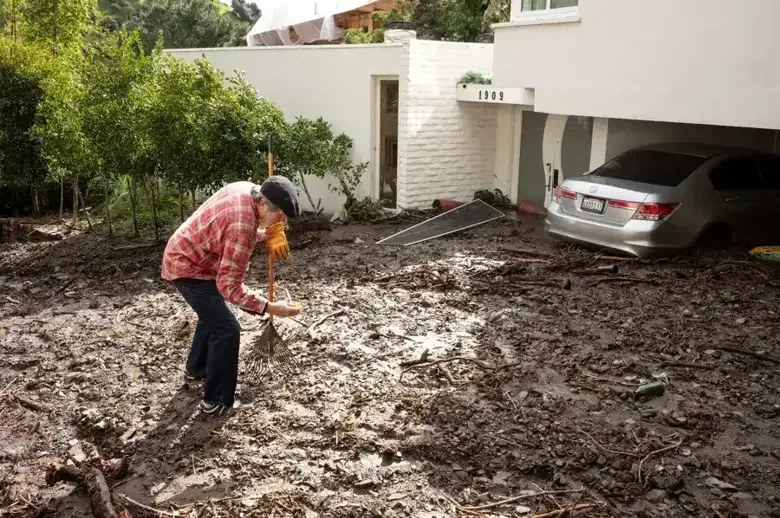 Storm Water Damage in SaladoWeather entry requires exterior stabilization, controlled debris handling and cleaning before airflow reaches retained indoor construction.See the service
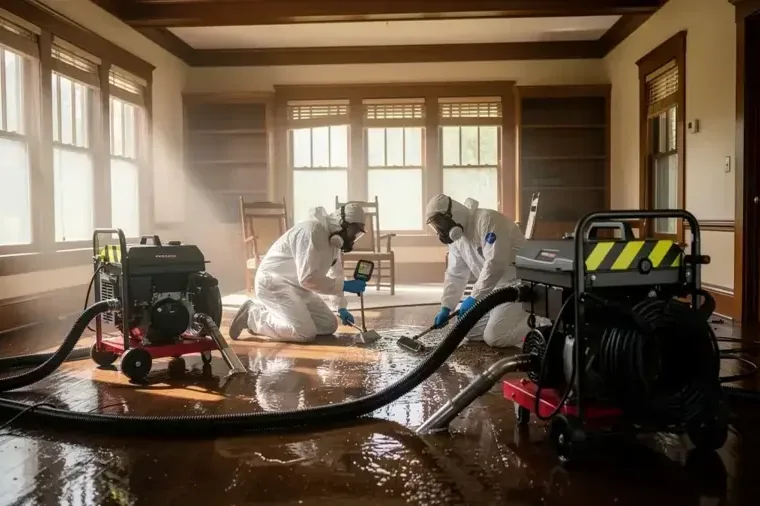 Sewage Backup Cleanup in SaladoCategory 3 response contains traffic, removes affected porous material and records surface treatment before dryout equipment operates.See the service
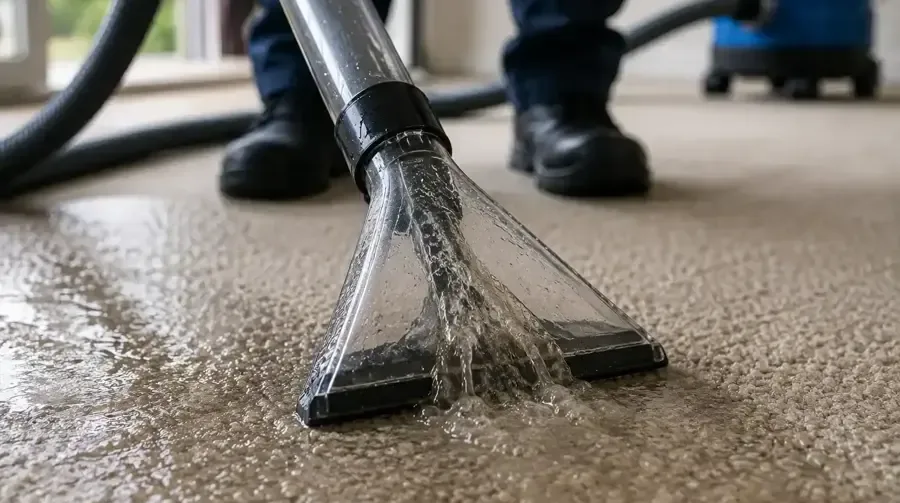 Water Extraction in SaladoExtraction recovers open liquid, then a moisture map follows flooring seams, walls and thresholds beyond the visible edge.See the service
Flood Cleanup in Harker Heights Water damage restoration in Salado
Flood Cleanup questions in Salado
Water reaching another room?
The response team assesses the affected rooms and source status before coordinating extraction and measured drying.
(888) 926-4485Discuss the wet roomsDoes the village map prove a building flooded?
No. The map addresses location-specific flood information. Restoration requires current evidence of entry, water marks, contamination and contacted materials inside the building. The two records are kept separate throughout cleanup and drying.
Is outdoor water always Category 3?
Outdoor floodwater receives Category 3 handling. Throughout the project, containment protects unaffected areas while PPE, porous removal and physical cleaning control the contact path. Controlled drying follows once retained surfaces are ready for airflow.
How high is drywall removed?
The boundary follows visible contact, capillary spread, contamination and access needs. Porous material can require removal above the waterline where evidence shows affected material.
Can antimicrobial replace cleaning?
No. Gross soil is removed and retained surfaces are physically cleaned first. An EPA-registered product is then used where appropriate for its labeled dwell time.
What happens to flood-contacted contents?
Items are documented and separated by material, condition and cleanability. Unaffected belongings remain on a clean route, while contaminated porous items may not be salvageable.
When can drying equipment start?
After contaminated porous material is addressed and retained surfaces are cleaned. This sequence keeps airflow from distributing untreated contamination into other areas.
Who decides insurance coverage?
The insurer applies the policy. Restoration personnel provide factual photographs, water-category notes, removal records, cleaning documentation and moisture readings without promising a coverage result.
Flood Cleanup in Salado? Call now.
Emergency dispatch operates 24/7. The restoration team documents extraction, material removal and the readings that support the drying goal.
- Salado, TX and nearby towns
- Emergency dispatch through nights and weekends
- Find us on Google