Sewage Backup Cleanup in Belton, TX
A sewage release creates a Category 3 work area that foot traffic, tools or household fans can spread. Access stays restricted throughout the project while the response team maps contact routes and completes porous-material removal and cleaning before structural drying.
(888) 926-4485Restrict the sewage boundary- 24/7 dispatch
- IICRC S500 drying standard
- Truck-mounted extraction
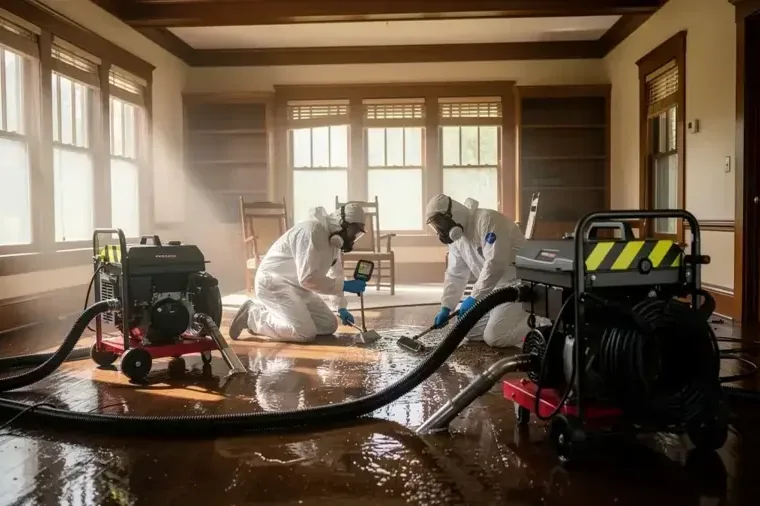
What to do the moment you find sewage inside a building
- 1
Restrict rooms and tracked routes
Keep people and pets away from sewage, splashes, footprints and contacted contents. Do not use fans, household vacuums or unprotected cleanup methods.
- 2
Document the complete boundary
Photograph the backup point, highest contact and movement paths. Include adjoining floor areas where shoes, tools or relocated belongings may have transferred contamination.
- 3
Remove porous material under containment
Extract liquid, wear appropriate PPE and bag contacted carpet, pad, drywall or insulation through a controlled debris path above the affected waterline.
- 4
Clean retained hard surfaces
Remove physical soil, then apply an EPA-registered antimicrobial according to its label, including stated dwell time and any rinse requirement, before drying begins.
How sewage backup cleanup is handled in Belton
Porous finishes and insulation
Carpet, pad, gypsum and insulation can hold sewage internally. Direct contact and capillary rise inform documented removal above the affected waterline. Bagging and transport remain inside the dirty travel route.
Retainable hard construction
Concrete, framing and durable finishes may remain when sound and accessible. Physical soil removal comes before antimicrobial application at labeled dwell time. Treatment application and rinse requirements are recorded fully.
Contents and traffic paths
Items are photographed and grouped by exposure. Clean storage, occupant routes and unaffected belongings stay beyond the contained work and debris paths. Occupant movement stays outside the posted containment edge.
What does sewage backup cleanup cost in Belton, TX?
Planning ranges reflect contacted area, porous removal, containment, PPE, cleaning, contents and structural drying. Drain repair, plumbing correction, specialty contents work and reconstruction remain separate costs. Disposal volume and access controls can also change the total.
Limited affected area
$1,600 to $4,300
- Contained backup zone contained
- Accessible hard surfaces treated
- Limited contaminated debris
Several connected rooms
$4,300 to $11,800
- Tracked contact across rooms tracked
- Walls and contents involved documented
- Detailed cleaning records
Complex or extensive loss
$11,800+
- Broad Category 3 exposure protected
- Large removal and contents scope specialist
- Repairs priced separately
Compare the loss using the water damage cost calculator. The written scope depends on water category, affected materials and measured drying needs.
How sewage backup cleanup work runs, start to finish
- 01
Assess source and access
The response team reviews sewage inside a building, checks source control and confirms safe access, then coordinates extraction equipment and moisture assessment through 24/7 dispatch.
- 02
Map the moisture
The restoration technician marks affected rooms, compares wet materials with dry references and verifies suspected moisture with meters before choosing openings or equipment positions.
- 03
Extract and set the drying
The extraction crew removes recoverable water before the drying team balances airflow and LGR dehumidification with the room volume, water category and exposed materials.
- 04
Read daily, verify dry
The drying team records daily material readings and air conditions, adjusts the equipment when progress slows and verifies the documented drying goal before removal.
Sewage depth does not define the whole work zone. A shallow backup can spread through footwear, tools and moved items, so containment includes direct water, splashes and every confirmed transfer path.
Keep municipal administration separate from cause
The City of Belton operates water and sewer utilities, and Belton Public Works handles administration. A plumbing professional checks the affected drain and connections before the cleanup team begins work on contaminated surfaces. Plumbing findings identify the source.
Create distinct clean and contaminated routes
Personnel in PPE move debris through containment while unaffected belongings remain protected. The Belton restoration hub covers other water sources; sewage adds Category 3 controls before extraction and drying.
- Post the contact boundary clearly.
- Bag debris before crossing protected space.
- Record product and dwell instructions.
Remove material that cannot be treated reliably
Contaminated carpet, pad, insulation and gypsum may retain sewage beyond a cleanable surface. Accessible sound framing and concrete can remain when physical soil is removed and labeled treatment is completed.
Preserve the treatment record
The file identifies removal height, cleaning method, EPA-registered antimicrobial and labeled dwell time. Air movement follows those steps. The sewage cleanup page adds process detail.
Containment remains in place while contaminated debris leaves and tools are cleaned. The boundary can change if later inspection finds tracked contact beyond the original room, but every expansion is tied to observed evidence rather than a standard assumption.
Public sewer administration does not decide the condition of an indoor backup. The restoration record begins at the observed source area and contacted materials, while the appropriate party investigates the drain system.
Clean equipment never crosses the debris route without decontamination.
Source control and safe access come first.
Covering Belton, TX
Coverage includes central Belton, the Commerce Street corridor and areas around Heritage Park and the University of Mary Hardin-Baylor. Dispatch confirms the property location and safe access before the assessment.
ZIP codes 76502, 76513 and 76571.
See every area servedRelated water damage services in Belton
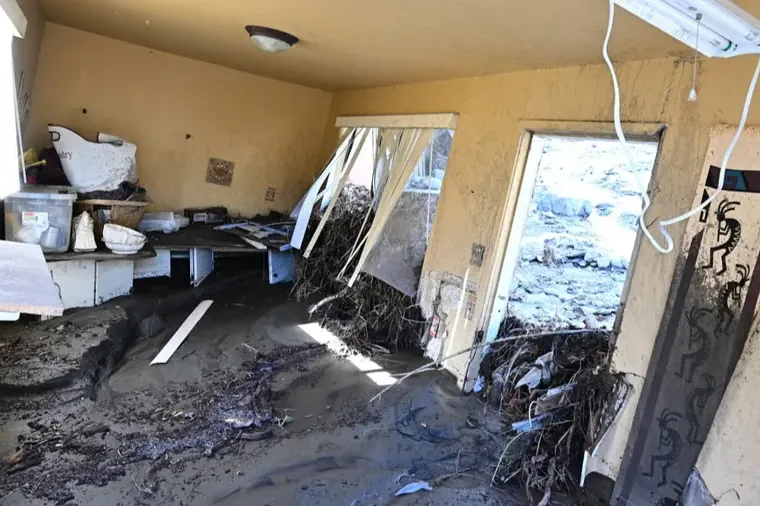 Flood Cleanup in BeltonWater arriving from outdoors receives Category 3 controls, selective porous removal and detailed cleaning of sound retained surfaces.See the service
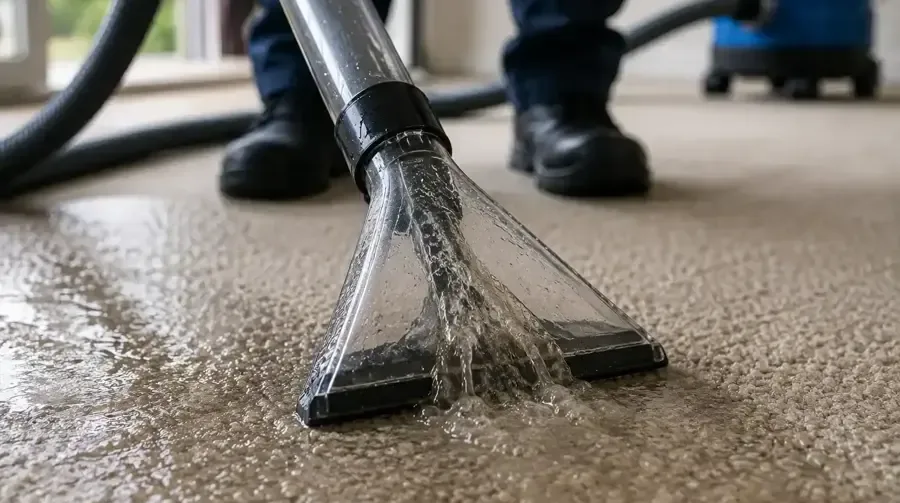 Water Extraction in BeltonExtraction recovers liquid before technicians map moisture beneath surfaces and around room edges.See the service
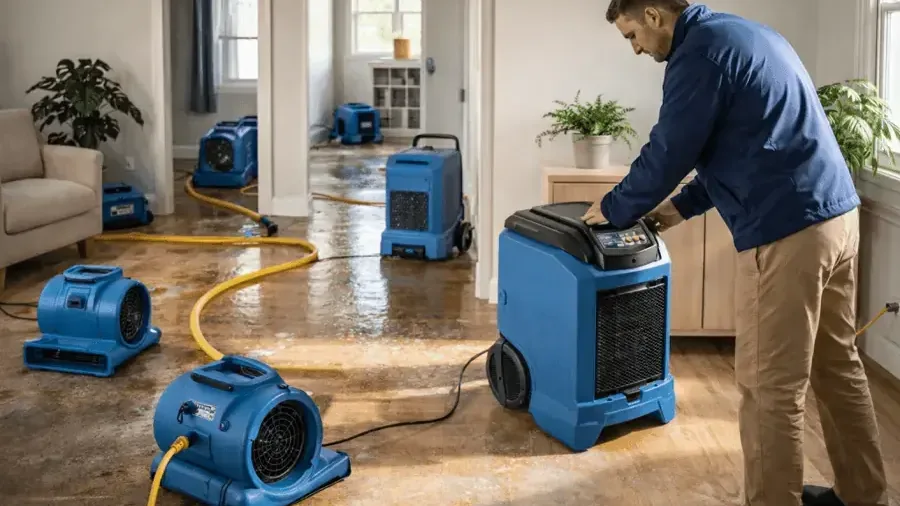 Structural Drying in BeltonRepeat measurements show whether airflow and dehumidification are moving retained materials toward the recorded goal.See the service
Sewage Backup Cleanup in Harker Heights Water damage restoration in Belton
Sewage Backup Cleanup questions in Belton
Water reaching another room?
The response team assesses the affected rooms and source status before coordinating extraction and measured drying.
(888) 926-4485Discuss the wet roomsWhy should occupants leave a sewage area?
Category 3 water can contain pathogens, and contamination can move on footwear, tools or contents. Restricting access protects unaffected rooms during containment. Posted boundaries help keep that separation visible.
Can household fans dry the room?
Not before contaminated material is removed and retained surfaces are cleaned. Air movement can distribute untreated soil and particles beyond the work zone.
How high is drywall removed?
Removal extends above confirmed sewage contact as needed for affected porous material and safe access. The boundary follows evidence rather than one universal dimension. Capillary rise and cavity access also affect the final height.
What treatment is used on retained surfaces?
After physical cleaning, an EPA-registered antimicrobial is applied according to its label. The record includes required dwell time and any rinse direction.
Who fixes the drain source?
A qualified plumbing or utility party handles source correction. Restoration personnel document that status while containing, removing and treating indoor contamination.
Can concrete or framing remain?
Sound accessible hard material may remain when physical soil can be removed, labeled treatment completed and drying access established after cleaning.
When does structural drying start?
After extraction, porous removal and documented cleaning of retained surfaces. Equipment then addresses moisture without spreading remaining Category 3 contamination. Containment stays in place until contaminated handling is complete.
Sewage Backup Cleanup in Belton? Call now.
Emergency dispatch operates 24/7. The restoration team documents extraction, material removal and the readings that support the drying goal.
- Belton, TX and nearby towns
- Emergency dispatch through nights and weekends
- Find us on Google