Structural Drying in Belton, TX
Drying starts after liquid water, contamination and unsuitable materials have been addressed. The project equipment plan responds to room volume, exposed surfaces and repeat material readings. Technicians adjust access and airflow as each retained layer moves toward its documented drying goal.
(888) 926-4485Build the material baseline- 24/7 dispatch
- IICRC S500 drying standard
- Truck-mounted extraction
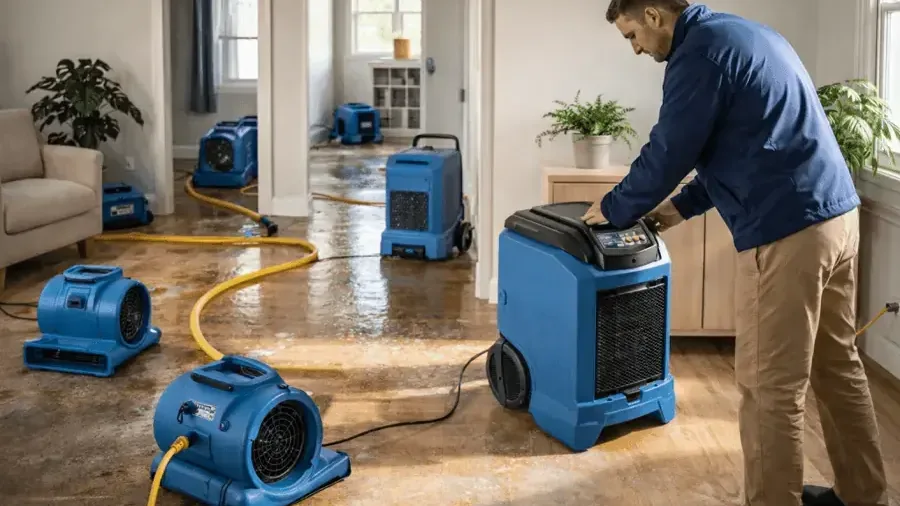
What to do the moment you find moisture in building materials
- 1
Finish removal and cleaning first
Recover liquid water, complete contamination controls and handle unsuitable porous layers. Air movement should not distribute debris or bypass a wet surface sealed behind finishes.
- 2
Create repeatable material points
Label framing, drywall, subfloor and other retained layers. Compare like materials with appropriate dry references so later readings show meaningful change.
- 3
Arrange evaporation and moisture removal
Direct air across exposed wet surfaces and use dehumidification for the released vapor. Equipment zones reflect room shape, material load and protected areas.
- 4
Adjust from the recorded trend
Return to the same points and note room conditions. Move, add or remove equipment when results show a different evaporation load or remaining wet zone.
How structural drying is handled in Belton
Wood framing and subfloor
Pin or noninvasive readings track wood at fixed locations. Airflow and dehumidification then address its evaporation load within the room environment. Equipment changes are noted beside each affected checkpoint.
Drywall and layered finishes
Surface measurements are paired with cavity access because paint or a dry face can conceal moisture on the back or inside insulation. Openings remain available for direct air contact and inspection.
Room air and equipment
Temperature and humidity observations explain equipment performance, while material results determine whether the actual building assembly still needs drying. Environmental observations support adjustments between monitoring visits.
What does structural drying cost in Belton, TX?
Planning ranges depend on wet-material volume, room conditions, material types, access, drying zones and monitoring. Removal, specialty treatment, power arrangements and reconstruction can change the surrounding scope. Monitoring frequency and specialty access can also affect the total.
Limited affected area
$1,000 to $3,000
- Small exposed material zone measured
- Focused airflow and dehumidification monitored
- Limited repeat checks
Several connected rooms
$3,000 to $8,500
- Different assemblies and loads material
- Multiple equipment sections documented
- Daily comparative readings
Complex or extensive loss
$8,500+
- Deep concealed saturation controlled
- Large controlled environment specialist
- Removal and rebuild separate
Compare the loss using the water damage cost calculator. The written scope depends on water category, affected materials and measured drying needs.
How structural drying work runs, start to finish
- 01
Assess source and access
The response team reviews moisture in building materials, checks source control and confirms safe access, then coordinates extraction equipment and moisture assessment through 24/7 dispatch.
- 02
Map the moisture
The restoration technician marks affected rooms, compares wet materials with dry references and verifies suspected moisture with meters before choosing openings or equipment positions.
- 03
Extract and set the drying
The extraction crew removes recoverable water before the drying team balances airflow and LGR dehumidification with the room volume, water category and exposed materials.
- 04
Read daily, verify dry
The drying team records daily material readings and air conditions, adjusts the equipment when progress slows and verifies the documented drying goal before removal.
Structural drying deals with water held inside retained construction after the open liquid is gone. The process requires exposed surfaces, a controlled room environment and consistent measurements that show whether the assembly is actually changing.
Choose baselines by material
Wood is compared with suitable wood, and gypsum observations remain specific to that product. An arbitrary room number cannot replace those references. The Belton water restoration hub shows where drying follows extraction, cleanup and removal decisions.
Account for source category first
A clean plumbing release and storm entry may wet similar framing, but contamination controls differ before airflow begins. Heritage Park, Yettie Polk Park and the University of Mary Hardin-Baylor are location references, not evidence of building conditions.
- Label every daily checkpoint.
- Record the selected dry comparison.
- Explain every equipment change.
Expose the actual wet surface
Air cannot dry a layer sealed behind an impermeable finish or trapped insulation. Selective access creates an evaporation path while protecting unaffected construction. Equipment placement then responds to the surfaces available.
End from materials, not appearance
A comfortable room or dry face can conceal moisture. Closing readings at the original points show whether retained assemblies meet the stated goal. The structural drying page supplies additional technical context.
The town spans the meeting area of the Blackland Prairie and Edwards Plateau, but that geography does not prescribe a drying method. Equipment responds to the actual room, construction and exposed wet surfaces.
Daily readings also preserve differences between zones. A subfloor may improve while an enclosed wall remains unchanged. That contrast supports a targeted adjustment instead of extending the same equipment arrangement without explanation.
Source control and safe access come first.
Covering Belton, TX
Coverage includes central Belton, the Commerce Street corridor and areas around Heritage Park and the University of Mary Hardin-Baylor. Dispatch confirms the property location and safe access before the assessment.
ZIP codes 76502, 76513 and 76571.
See every area servedRelated water damage services in Belton
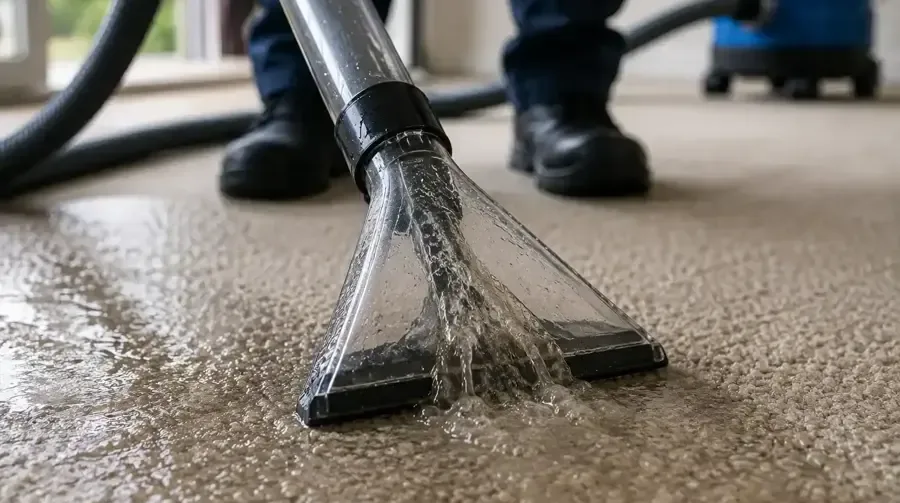 Water Extraction in BeltonExtraction recovers liquid before technicians map moisture beneath surfaces and around room edges.See the service
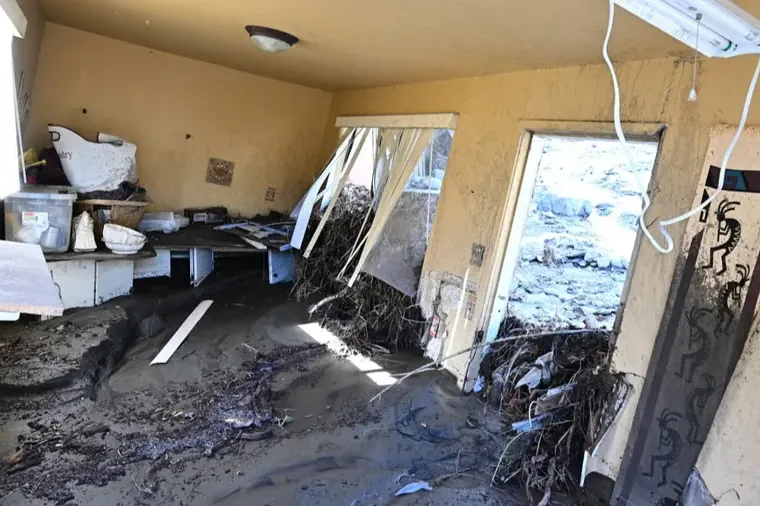 Flood Cleanup in BeltonWater arriving from outdoors receives Category 3 controls, selective porous removal and detailed cleaning of sound retained surfaces.See the service
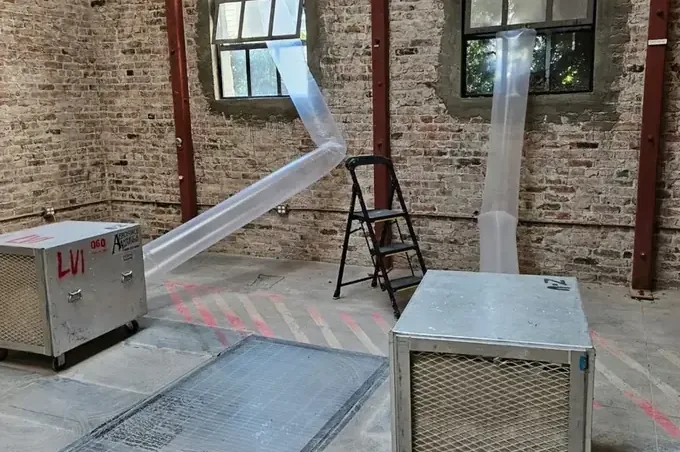 Commercial Water Damage in BeltonCommercial response coordinates occupied routes, contents and building systems with extraction and monitoring.See the service
Structural Drying in Harker Heights Water damage restoration in Belton
Structural Drying questions in Belton
Water reaching another room?
The response team assesses the affected rooms and source status before coordinating extraction and measured drying.
(888) 926-4485Discuss the wet roomsWhen does structural drying begin?
It follows source control, extraction, contamination decisions and removal of unsuitable materials. Retained surfaces need safe, direct access before airflow begins. Labeled checkpoints are selected before routine monitoring starts.
Why are dry references necessary?
A suitable comparison establishes the expected condition for a similar material in that building. It makes daily changes more meaningful than one universal number.
How are air movers positioned?
Placement reflects exposed wet area, room shape and protected dry space. Air should not enter untreated contaminated cavities or distribute loose debris.
What does dehumidification accomplish?
It removes vapor released as wet materials evaporate. Room conditions help explain performance, while material readings show whether construction remains wet. Material results remain the completion evidence.
Can a painted wall look dry while damp inside?
Yes. Paint, the drywall face and the cavity can show different conditions. Measurements and appropriate access evaluate the layered assembly.
Why does equipment move during the project?
One zone may improve faster than another, or an opening may expose a new surface. Recorded trends support changes in placement and capacity.
What determines completion?
Retained materials must meet the documented drying goals at repeatable points. The written final record identifies repairs that remain after equipment removal and keeps equipment changes and final room conditions alongside the closing readings for each affected material.
Structural Drying in Belton? Call now.
Emergency dispatch operates 24/7. The restoration team documents extraction, material removal and the readings that support the drying goal.
- Belton, TX and nearby towns
- Emergency dispatch through nights and weekends
- Find us on Google