Basement Flooding Cleanup in Belton, TX
Where a Belton property includes a basement, cleanup starts without assuming why water collected there. The inspection separates plumbing, seepage, outdoor entry and sewage while checking utilities, contents and finish layers from a dry access point.
(888) 926-4485Assess the lower level safely- 24/7 dispatch
- IICRC S500 drying standard
- Truck-mounted extraction
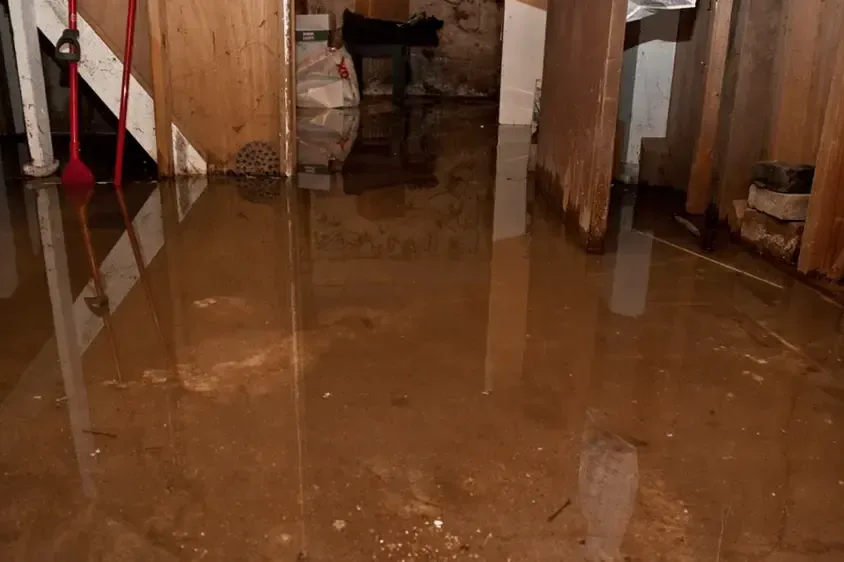
What to do the moment you find water in a basement
- 1
Keep the stair and room clear
Do not enter where water reaches electrical components, where sewage may be present or where the stair and finishes appear unstable. Restrict access until conditions are assessed.
- 2
Describe what can be seen
From a safe position, note water depth, color, odor, source activity and whether contents are floating or blocking the route. Avoid starting household fans.
- 3
Control the appropriate source
A plumber, utility or exterior repair trade addresses the cause. Restoration personnel record that status before extracting water or opening lower wall finishes.
- 4
Build the cleanup sequence
Classify the water, photograph contents and mark the water height. Extraction, porous material decisions, cleaning and structural drying then follow in the appropriate order.
How basement flooding cleanup is handled in Belton
Floor surfaces and drains
Concrete, carpet, pad and resilient finishes respond differently. The water origin and material condition determine extraction, cleaning, removal and drying needs. Floor penetrations and edges remain part of the lower map.
Lower walls and insulation
Water height, capillary rise and cavity readings establish controlled access. Removal does not follow a standard cut when evidence supports a different boundary. Framing observations continue above any finish removal point.
Stored contents and equipment
Items are photographed before movement when feasible. Contact category, absorbency and function support cleaning, specialist assessment or disposal decisions. Destination notes keep protected and affected groups distinct.
What does basement flooding cleanup cost in Belton, TX?
Planning ranges reflect depth, water category, finished surfaces, contents, access and drying requirements. Plumbing, exterior drainage correction, electrical work and reconstruction are separate scopes that can change the total. Disposal volume and specialty contents care may also add cost.
Limited affected area
$1,100 to $3,200
- Shallow water in one zone measured
- Accessible floor surfaces stable
- Limited contents handling
Several connected rooms
$3,200 to $8,900
- Finished walls contacted sorted
- Contents require sorting cavity
- Multiple cleaning zones
Complex or extensive loss
$8,900+
- Category 3 conditions contained
- Broad porous removal specialist
- Repairs assessed apart
Compare the loss using the water damage cost calculator. The written scope depends on water category, affected materials and measured drying needs.
How basement flooding cleanup work runs, start to finish
- 01
Assess source and access
The response team reviews water in a basement, checks source control and confirms safe access, then coordinates extraction equipment and moisture assessment through 24/7 dispatch.
- 02
Map the moisture
The restoration technician marks affected rooms, compares wet materials with dry references and verifies suspected moisture with meters before choosing openings or equipment positions.
- 03
Extract and set the drying
The extraction crew removes recoverable water before the drying team balances airflow and LGR dehumidification with the room volume, water category and exposed materials.
- 04
Read daily, verify dry
The drying team records daily material readings and air conditions, adjusts the equipment when progress slows and verifies the documented drying goal before removal.
At a property with a basement, an initial assessment starts above the water and follows the safest available access route. Depth, electrical exposure and contamination determine the removal sequence. Finished walls and stored contents receive separate checks because water can remain behind them after the open floor is cleared.
Start above the wet level
The safest assessment begins from a dry stair or doorway. Personnel look for energized equipment, damaged steps and material instability before entering. If outdoor water or sewage reached the room, containment and protective equipment precede routine extraction.
Checking how water reached the lower room
Nolan Creek runs through central Belton, and the Leon River borders part of the city. In a flooded basement, the technician traces the actual entry, distinguishing supply water, a drain backup and exterior seepage. The Belton water damage hub explains how source control connects with extraction and measured drying.
- Mark the highest confirmed contact.
- Separate clean and affected contents.
- Record source repair independently.
Open walls from measurements
Lower drywall can appear intact while insulation or framing remains damp. Readings, contamination and physical condition determine access. The crew records each removal decision before cleaning retained surfaces and arranging the drying environment.
Close after the lower assembly responds
Repeat checks at the slab, framing and finish transitions support completion. More technical context appears on the basement flooding cleanup page, while the actual property record controls the final scope.
A lower room can contain several material elevations within a small footprint. The floor, wall base, insulation and stored contents are therefore recorded independently. Water that touched one layer does not automatically assign the same outcome to sound materials above it.
Yettie Polk Park and Miller Springs Nature Center are confirmed landmarks, but their proximity cannot explain conditions inside a building. The basement source, access and contacted construction provide the relevant evidence.
Source control and safe access come first.
Covering Belton, TX
Coverage includes central Belton, the Commerce Street corridor and areas around Heritage Park and the University of Mary Hardin-Baylor. Dispatch confirms the property location and safe access before the assessment.
ZIP codes 76502, 76513 and 76571.
See every area servedRelated water damage services in Belton
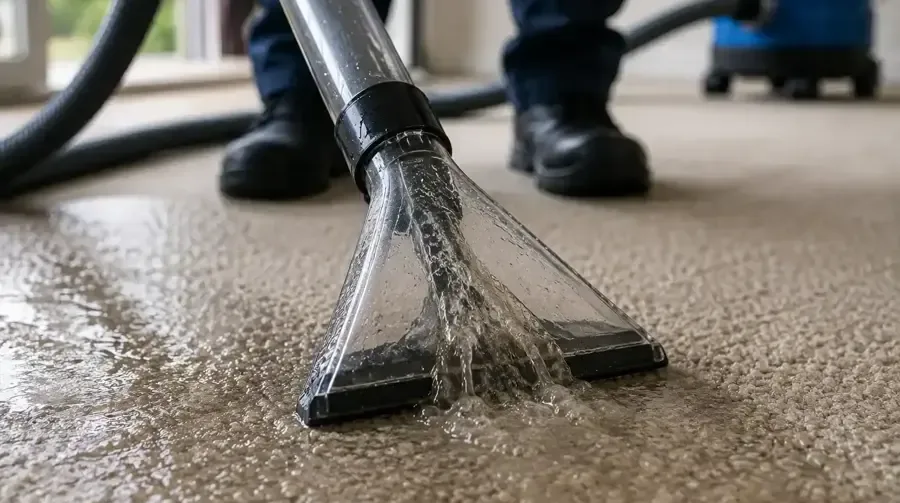 Water Extraction in BeltonExtraction recovers liquid before technicians map moisture beneath surfaces and around room edges.See the service
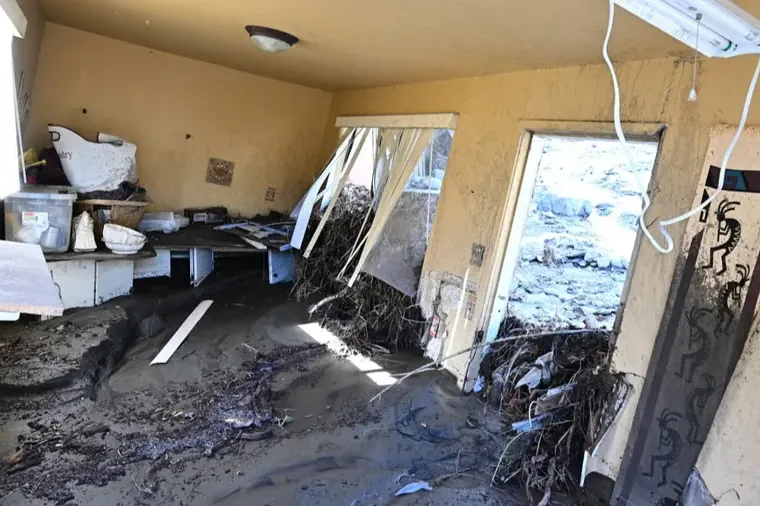 Flood Cleanup in BeltonWater arriving from outdoors receives Category 3 controls, selective porous removal and detailed cleaning of sound retained surfaces.See the service
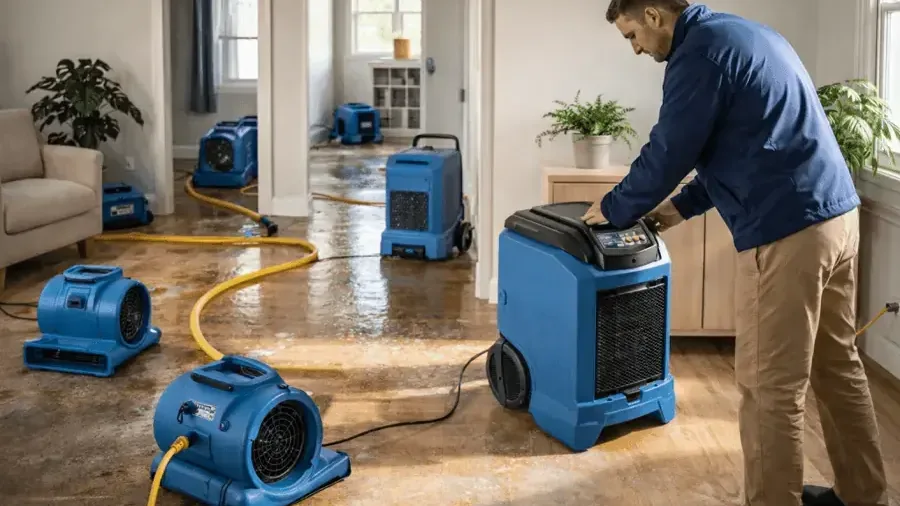 Structural Drying in BeltonRepeat measurements show whether airflow and dehumidification are moving retained materials toward the recorded goal.See the service
Basement Flooding Cleanup in Harker Heights Water damage restoration in Belton
Basement Flooding Cleanup questions in Belton
Water reaching another room?
The response team assesses the affected rooms and source status before coordinating extraction and measured drying.
(888) 926-4485Discuss the wet roomsAre basements common in Belton?
The service applies when a building has an affected basement or comparable lower-level room. Personnel confirm stairs, utilities and construction during inspection, then plan water removal around the hazards and surfaces actually present.
Should someone walk downstairs to find the source?
Not through standing water or toward wet electrical equipment. Source observations made from a dry location help, but safe access must be established before closer inspection. A dry stair landing can provide the initial observation point.
How is outdoor water handled?
Water that traveled across the ground starts with Category 3 controls. Entry is restricted, contacted porous materials are evaluated and retained hard surfaces are cleaned before drying airflow.
Can lower drywall remain?
Possibly, depending on category, integrity and access to the cavity. Measurements and direct inspection establish the affected height instead of applying one removal dimension everywhere.
What happens to stored belongings?
Contents are photographed and grouped by contact. Cleanable items, specialist items and unsalvageable materials follow separate routes so contaminated handling does not cross protected storage. Handling notes preserve the reason for each category.
Does the cleanup include exterior drainage work?
No. Drainage or building-envelope correction belongs to the appropriate trade. Restoration records whether the source is controlled and addresses affected interior materials.
How is completion documented?
The file includes initial water height, extraction, cleaning, material decisions and repeat readings at fixed locations. Final measurements support equipment removal and the remaining repair scope.
Basement Flooding Cleanup in Belton? Call now.
Emergency dispatch operates 24/7. The restoration team documents extraction, material removal and the readings that support the drying goal.
- Belton, TX and nearby towns
- Emergency dispatch through nights and weekends
- Find us on Google