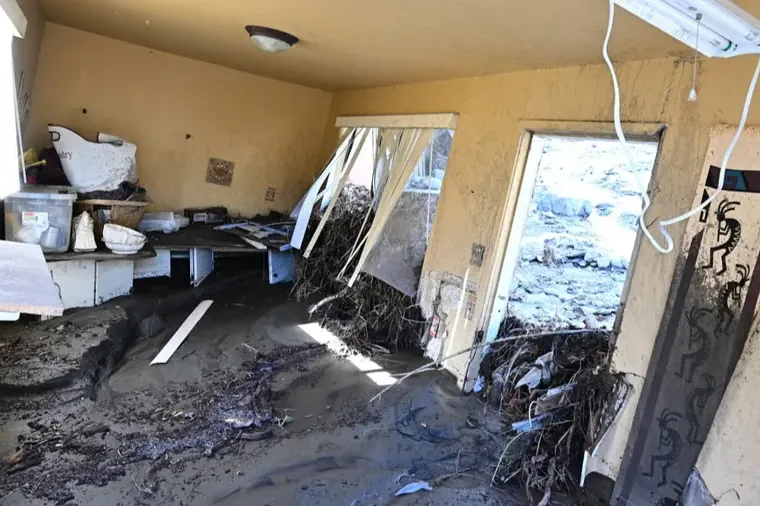
Storms brought more than six inches of rain to the Belton area on April 9, 2024, and Nolan Creek ran out of its banks. That event confirms community high water, but a building cleanup still begins with the actual entry route and contacted materials.
Key takeaways
- The April 2024 storm provides documented local high water context.
- The entry route and contacted materials determine the cleanup boundary.
- Outdoor water starts as Category 3 and needs containment.
- Tracked footprints and moved contents can expand the affected boundary.
- Porous removal and surface cleaning happen before drying airflow.
What the April 2024 event establishes
The storm caused flooding, scattered power outages and hail damage in the area. A vacant field on Commerce Street was reported submerged, and Nolan Creek left its banks.
Nolan Creek passes through central Belton and follows Yettie Polk Park. Heritage Park lies along the Leon River.
- Use the date and reported conditions as event context.
- Document the individual building entry point separately.
- Property flood-zone questions belong with the official flood map.
Why outdoor water changes the cleanup category
Water that crosses soil can carry debris and contamination into a building. It begins as Category 3 even when it looks clear because appearance cannot reveal everything contacted outside.
The Belton flood cleanup page explains containment, porous material decisions and cleaning. Household fans should remain off until contaminated material is removed and retained surfaces are treated.
- Restrict access for occupants and pets.
- Map splashes and tracked routes.
- Keep clean tools beyond the boundary.
- Bag contaminated debris before movement.
Finding the real indoor boundary
The visible water mark is one clue. Footprints, moved furniture, wet door edges and debris trails can carry the work area farther than the pool itself.
Floor seams and lower walls also need inspection. Water can enter underlayment, carpet pad, gypsum and insulation, creating concealed contact that requires direct access.
- Mark the highest wall contact.
- Check both sides of door thresholds.
- Photograph contents before relocation.
- Include traffic routes in containment.
Checking the layers beneath wet flooring
The Leon River borders part of Belton, while Belton Lake and Stillhouse Hollow Lake touch the city limits.
Removal and cleaning before dryout
Absorbent materials that cannot be treated throughout may require controlled removal. Sound concrete, framing and durable finishes can sometimes remain when accessible for physical cleaning.
The record identifies soil removal, product application, dwell time and any rinse direction. Only then should structural drying address moisture in retained construction.
- Extract contaminated liquid.
- Remove unsuitable porous layers.
- Physically clean retained hard surfaces.
- Document treatment before air movement.
Storm entry and exterior correction
A damaged opening or drainage condition needs the appropriate exterior trade. Restoration personnel record whether entry has stopped, but they do not substitute for roof, door or site correction.
The Belton storm water page connects exterior stabilization with interior contamination control. Power interruptions can also affect safe access and equipment planning after severe weather.
- Confirm temporary exterior protection.
- Obtain electrical assessment where needed.
- Keep exterior repair separate from interior restoration.
Documentation after high water
A useful file shows the event date, building entry, contact boundary, removed materials, cleaning and final readings. It can support an insurance conversation without claiming coverage.
The main flood cleanup page provides service context, while the Belton hub lists source specific alternatives when water came from plumbing rather than outdoors.
- Preserve photos before debris removal.
- Record the source classification.
- Keep treatment and drying logs together.
- Identify remaining reconstruction.
Room by room decisions after the first extraction
Once open water is removed, each room can show a different combination of contamination, material damage and drying access.
A tiled entry may retain sound hard surfaces after cleaning, while an adjoining carpeted area may contain absorbent layers that cannot be treated throughout. The project file should explain those different outcomes.
Lower wall openings also require evidence. The highest visible mark, capillary movement, insulation contact and framing access determine where removal stops.
One fixed height applied across unrelated rooms can remove dry material or leave contaminated material hidden. Measurements and direct observations provide a more defensible boundary.
Contents need the same room specific logic. Hard, nonabsorbent items may be cleanable; papers, fabrics and composite products may require specialist evaluation or disposal. Photographs and destination notes preserve the connection between each item and its original exposure.
The cleaning sequence should also account for tools and equipment. Extraction hoses, carts and protective gear can cross from contaminated to protected space if travel paths are not maintained.
Personnel should identify where equipment enters, where debris leaves and where tools are cleaned before reuse. These controls may seem separate from moisture work, but they protect rooms that were not part of the original loss.
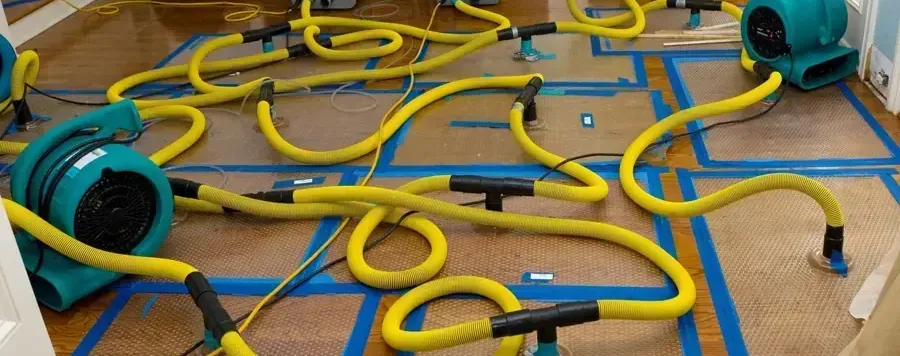
After treatment, drying equipment can be introduced through a clean route and placed around the exposed retained surfaces. Daily notes should then distinguish environmental observations from material results.
Humidity changes can explain performance, while wood, gypsum or concrete readings show whether the actual assembly remains wet. If one layer stalls, the team can investigate blocked airflow, hidden backing or renewed entry rather than simply extending every machine.
A closing report should state the goal used for each retained material and preserve the final readings at the same labeled positions.
Room labels should stay with photographs after debris leaves the building. Each image can record the original water mark, material layer and doorway, allowing later repair work to follow the cleaned boundary without losing the first inspection details.
- Recheck seams after surface extraction.
- Document the back and edges of removed finishes.
- Keep cleaned tools outside the debris path.
- Record the reason each contents group receives different handling.
Drying data should follow the cleaned assembly
After contamination work, technicians mark retained wood, concrete and other materials for repeat checks. Room air observations help explain equipment performance, but the retained materials themselves determine whether the zone still needs drying.
- Use appropriate dry references.
- Return to the same marked positions.
- Explain any equipment change.