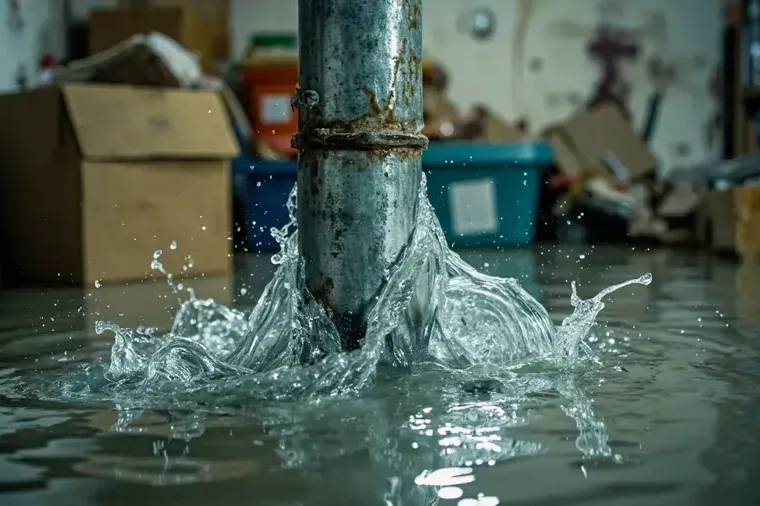
A private pipe release can keep spreading after the supply is isolated. Around Nolanville, a room-by-room inspection follows wet trim, cabinet bases and floor seams to establish where extraction and drying are needed.
Key takeaways
- A water provider handles supply interruptions; a plumber locates and repairs a leaking private pipe.
- The failed connection and water path direct the cleanup plan.
- An indoor pipe loss needs shutoff, plumbing findings and a mapped water path.
- Pressurized spray can reach cavities above and beside the visible pool.
- Extraction and repeat readings support a separate restoration record.
Who to contact when water pressure drops
Nolanville is served by three water districts. WCID #3 serves most residents, Dogwood Water Supply is named for part of the southwest side, and 439 Water Supply Company serves northern boundaries.
The property account identifies the water provider when a service problem needs attention. Inside the building, a plumber checks the failed component while the restoration team maps wet drywall, cabinets and flooring.
- Confirm the provider from the property account.
- Ask the provider about public service conditions.
- Describe visible leaks, wet surfaces and any sound of running water to the plumber.
Finding the pipe and the rooms it reached
A pressurized release leaves a physical pattern. Spray height, wet cabinet interiors, ceiling marks and water on the level below can help reconstruct its reach after the valve is closed.
The Nolanville burst pipe page explains how plumbing repair and restoration remain distinct. A plumber handles the failed component; restoration personnel address the released water and affected construction.
- Record the shutoff status.
- Photograph the failed component before access changes it.
- Mark the highest confirmed wet point.
- Inspect openings between rooms and levels.
Why the first puddle may be incomplete
Pressure can carry water sideways or upward, then gravity redirects it through seams after the source stops. A cabinet base can conceal water that never becomes a large open pool.
Technicians check flooring, wall bases and cavities with methods suited to each material. Dry comparison points help locate the edge of the wet area, including damp layers beyond the visible puddle.
- Check pipe chases and toe kicks.
- Measure both sides of thresholds.
- Inspect the level below when accessible.
Access to cabinets, closets and adjoining rooms
A leak behind a cabinet can reach a closet or adjoining room before it appears on the open floor. Technicians check both sides of the wall and explain any access needed through trim or damaged finishes.
Extraction prepares the assembly for drying
The Nolanville water extraction page covers recoverable liquid on carpet, hard flooring and accessible cavities. Repeated passes continue while they remove meaningful water.
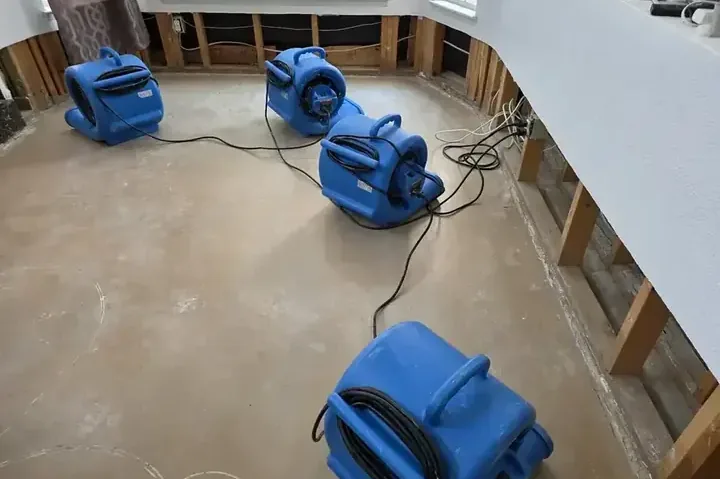
Moisture that remains in framing, subfloor or gypsum moves into a drying plan. Airflow reaches exposed surfaces, and dehumidification removes vapor while daily readings show progress.
- Recover liquid before evaporation.
- Expose trapped layers only where evidence supports access.
- Label repeat material checkpoints.
- Record every equipment change.
What to record before the pipe is repaired
A photograph of the leaking joint or split pipe helps connect the repair to the wet areas found during cleanup. The record should include when water was discovered, when the supply was stopped and which rooms were affected at that point.
The plumber documents the failed component and completed repair. The restoration team adds a room sketch, extraction notes and moisture readings. Keeping these records together gives the owner a clear account of the source, the cleanup and any finish work still needed.
- Source record: leak location, shutoff time and repair details.
- Room record: wet flooring, wall edges and belongings.
- Drying record: starting readings, equipment changes and final measurements.
Useful next steps for an active indoor release
Occupants should stay away from wet electrical components and unstable overhead materials. A reachable valve can limit supply water when the route remains safe.
The main burst pipe service provides additional process detail, while the Nolanville service hub lists other water and sewage responses available for different sources.
- Protect people before contents.
- Control water through the proper valve or trade.
- Photograph the original water path.
- Finish from material readings rather than appearance.
What happens after the leak stops
Once the supply is isolated, water already inside the home can continue moving through seams and concealed layers. Flooring, gypsum, insulation and cabinets release moisture at different rates.
Technicians return to labeled checkpoints to see which materials are drying and where trapped water still needs access.
The spray pattern also matters after the puddle is gone. High wall marks can suggest pressure, while water concentrated only at a floor edge may indicate later drainage.
The plumber findings help connect those observations to the failed component, and the restoration map shows the materials that require work.
Nolanville includes established housing in Cedar Heights Estates and Wildwood Estates, along with newer homes in Warriors Legacy. During the walkthrough, the owner can identify previous repairs, enclosed storage areas and rooms that are difficult to access.
These details help the team plan inspections and keep unaffected belongings out of the work area.
Contents and finishes near the release are documented before they are moved for access. Dry belongings can go to a protected room, while wet absorbent items may need cleaning or separate evaluation.
Labels record the original room and the temporary destination so belongings can be returned in order. Removed trim, floor planks and drywall are also photographed, with the reason for removal recorded beside each area.
Physical damage, contamination and blocked drying access can call for different decisions. The owner receives an explanation before the scope changes.
At turnover, the file brings the plumbing repair together with the extraction notes and closing readings. It lists the materials that remained, the finishes removed and the repairs needed next.
A flooring or painting contractor can then see which rooms are ready for finish work and which still need another trade.
The inspection record should preserve the position of the failed fitting before repair changes it. A labeled photograph and shutoff time help connect the source findings with wet surfaces found later behind trim or under an appliance.
- Continue moisture checks after the leaking pipe is repaired.
- Use spray height and gravity paths as different clues.
- Compare like materials with dry references.
- Keep repair photographs beside the moisture map and daily notes.
A final file should tell one coherent story
The source record, extraction notes and closing readings should connect chronologically. When access changes or a new wet layer appears, the file should explain where it sits relative to the original release and why the work changed.
- Preserve the first source photo.
- Label every added checkpoint.
- List repairs separately at turnover.