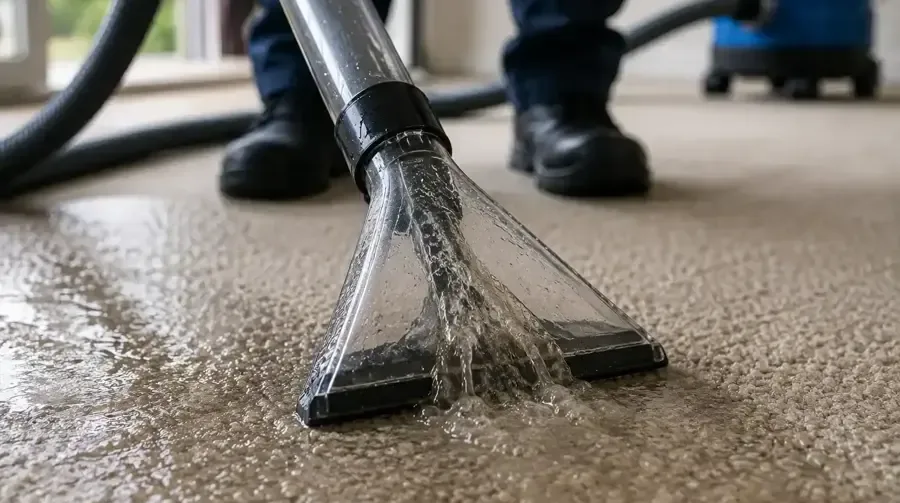
Water on a floor can come from a visible pipe break or a release hidden behind cabinetry. In Harker Heights, the first restoration assessment identifies where the water started, whether it has stopped and how far it traveled before cleanup changes the room.
Key takeaways
- The failed component and shutoff time help establish the source.
- Photographs preserve the first visible water path.
- Moisture checks follow floor seams, wall bases and cabinet edges.
- Source repair and material drying need separate records.
- Repeat readings support the final drying decision.
Starting with the source and affected rooms
The first assessment connects the reported source with conditions inside the building. A failed supply fitting may leave spray above the visible puddle, while a concealed appliance leak can collect beneath cabinets.
The technician records both the origin and the connected finishes before setting a cleanup boundary.
Harker Heights extends toward hills overlooking Stillhouse Hollow Lake on the Lampasas River, and Purser Family Park is a city landmark. At an affected property, the inspection follows individual rooms and floor connections.
Source photographs, shutoff timing and material readings shape the equipment plan.
- The source location starts the inspection record.
- Safe access keeps people away from wet electrical components.
- Connected rooms need checks even after surface water disappears.
Evidence that supports an indoor water assessment
A restoration scope begins with conditions at the building. Useful observations include the source area, the highest visible mark, rooms crossed by water and the time the release was discovered.
The water extraction service follows water across flooring, beneath trim and into adjoining spaces. Meter readings compare suspect materials with suitable dry references, marking both the wet boundary and the places that need repeat checks during drying.
- Photograph the source before finishes are opened.
- Mark the edge of visible water without walking through hazards.
- Note whether water is still moving.
- Record wet electrical components or softened ceilings from a safe place.
Source repair and restoration are different scopes
A plumber handles a failed supply pipe, fixture or valve. Restoration personnel address the water that escaped, including extraction, material removal, cleaning and controlled drying.
The burst pipe cleanup process preserves the shutoff status and spray pattern. That record helps distinguish the repair opening from other access needed to inspect cabinets, insulation or flooring.
- Plumbing record: failed component, control and repair.
- Restoration record: water reach, category and materials.
- Drying record: equipment positions and repeat readings.
Why a dry surface may not settle the question
Water can leave tile or plank surfaces while remaining in backing, subfloor, drywall edges or cabinet cores. A surface that no longer shines still needs layer specific checks when the release reached seams or penetrations.
Extraction reduces the liquid load. Air movement and dehumidification then address moisture in retained construction, with daily readings showing which areas respond and which need better access.
- Check both sides of connected thresholds.
- Inspect wall bases near the release.
- Compare each material with an appropriate dry point.
When selective access helps
A small opening can expose trapped wet material without removing an entire assembly. Physical condition, contamination and measurement results support that choice.
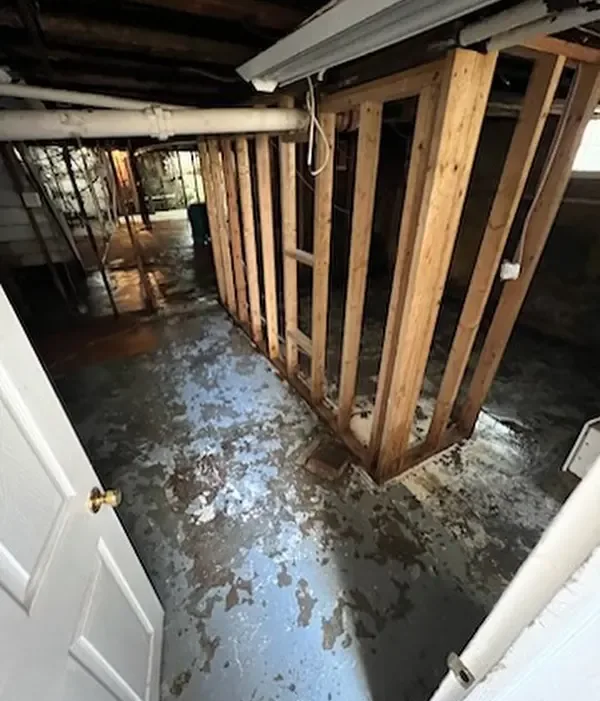
Documentation for an insurance conversation
The insurer applies policy terms and decides coverage. Restoration personnel document facts instead of promising an outcome. Source observations, photographs, material readings and a detailed scope give the owner evidence for that conversation.
The restoration file records where the water originated, how it entered the room and which materials it reached. Plumbing findings, source photographs and dated readings give the insurer a clear account of the work and its connection with the reported release.
- The source report and restoration scope remain together in the project file.
- Preserve photographs taken before removal.
- Ask the insurer how the reported cause is handled.
- Retain the plumber invoice with the drying record.
A practical response when indoor water is visible
People should avoid standing water near electrical equipment and stay clear of sagging ceilings. A reachable shutoff can limit a supply release when the route is safe.
The main Harker Heights restoration page explains extraction, sewage cleanup and structural drying. The assessed water category, affected materials and safe access determine which services the building needs and the order in which work can begin.
- Protect occupants before belongings.
- Control the source through the proper trade.
- Map the material boundary after extraction.
- Close the project from readings, not appearance.
Keeping the water-loss record useful through repairs
The initial moisture map remains useful after the visible water is gone. It identifies the rooms, surfaces and reading points that were checked before extraction.
When later access exposes wet backing or insulation, the technician adds the finding to that original map with a photograph and material label. The record then shows how the scope developed as concealed layers became accessible.
The chronology starts with discovery, source isolation and the inspection of the failed component. Equipment arrival, material removal and follow-up readings are recorded as the work proceeds.
Those dates help the property contact see what changed between visits and identify the repair tasks that can begin after each affected area reaches its drying goal.
A repaired pipe can sit beside material that still holds moisture. Flooring, gypsum and cabinet cores need their own measurements before finish work conceals them.
The technician compares those readings with suitable dry references and documents the final condition, including any remaining access requirements or damage that needs a repair trade.
Room labels also help when more than one source is possible. Notes can record whether appliance use changed the leak, whether rain was falling and which fitting or opening showed active water.
The responsible trade investigates the source while restoration staff track the material response. A localized cabinet and floor area may require a different access plan from wet upper walls or an outdoor debris path.
Each new observation stays attached to its room and measurement point. This keeps the repair opening, restoration boundary and drying results understandable after furniture returns or replacement finishes hide the original construction.
A clear handoff identifies which surfaces were retained, which were removed and what repairs remain. The property contact can then coordinate those repairs without losing the location of earlier moisture readings.
- Room labels connect photographs with the moisture map.
- Dated entries show source control and changes between visits.
- Newly exposed damp layers are added to the original record.
- Final readings accompany the repair handoff.
Questions the property owner can preserve
Useful notes identify who located the source, which valve controlled it, where water first appeared and which rooms changed over time. These details help technicians follow a concealed release and keep the repair record connected with extraction and drying work.
- Source observation.
- Control time.
- First visible location.
- Rooms and contents affected.