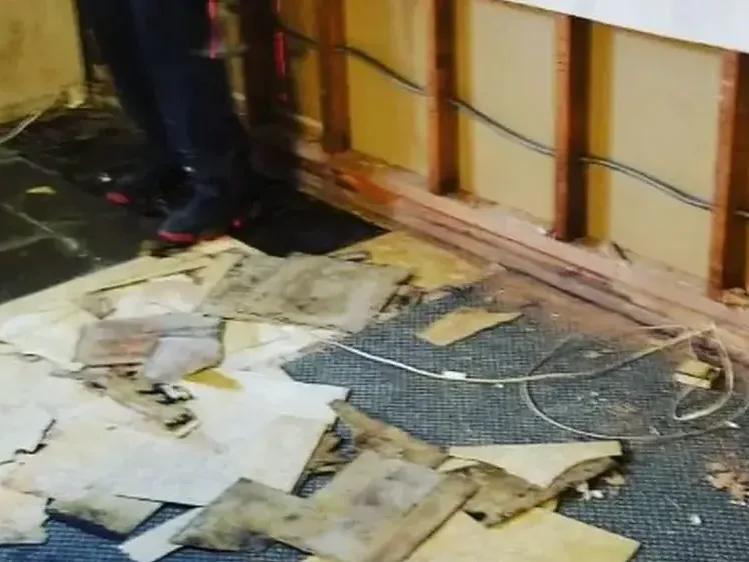
A neighborhood flooded after overnight storms on May 5, 2024, and the Leon River later reached a reported 33.78 foot crest at Gatesville. Coryell County issued a disaster declaration after the flooding.
Key takeaways
- The Leon River crested during the May 2024 flooding in Gatesville.
- Indoor water marks and debris help identify the route floodwater took.
- Outdoor water starts as Category 3 inside a building.
- The cleanup boundary includes direct contact and tracked contamination.
- Exterior correction, interior restoration and insurance decisions remain separate.
Using river history without overclaiming
The Leon River lies beside the city and belongs to the Brazos River watershed. It also rose above its banks in Coryell County during October 2018, when a report placed it at 27 feet.
A current inspection records the opening, depth, debris and rooms contacted. Photographs taken before cleanup preserve the highest water marks and the condition of finishes.
- Keep crest records as event context.
- Photograph the building entry path separately.
- The official parcel map answers flood-zone questions.
The first indoor boundary is about contamination
Outdoor water may carry soil, debris and other contaminants, so it begins as Category 3. Occupants and pets should stay out, and wet belongings should not be carried through clean rooms.
The Gatesville flood cleanup page covers containment, porous removal and retained surface treatment. Clear appearance does not change the outdoor contact history.
- Restrict entry to the affected area.
- Map footprints and moved contents.
- Establish a protected debris route.
- Delay fans until cleaning is complete.
Water marks do not show every wet layer
Flooring seams can admit water beneath the wear surface, while lower walls can wick above the visible mark. Cavity access and material readings establish the full contact area.
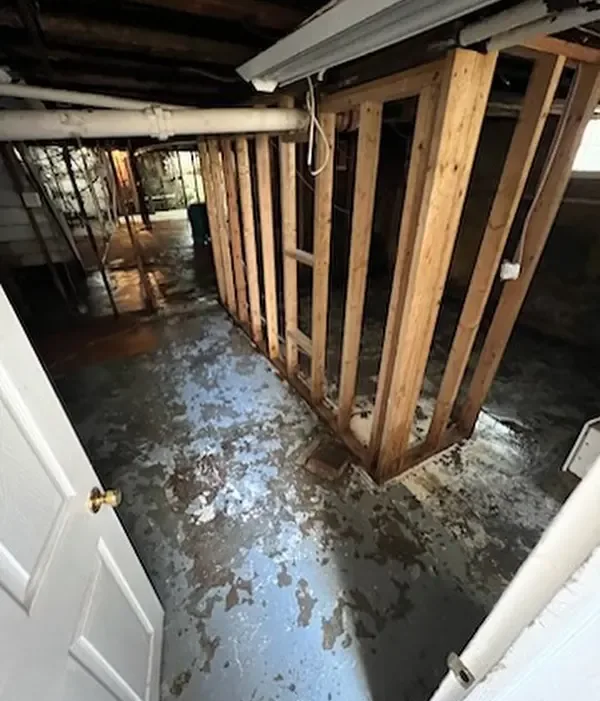
Directly contacted carpet, pad, gypsum and insulation may require removal. Sound concrete or framing can sometimes remain when accessible for physical cleaning and reliable drying.
- Check thresholds into adjoining rooms.
- Inspect backing and subfloor separately.
- Record capillary movement above the mark.
Civic landmarks are coverage references
The Coryell County Courthouse and Coryell County Museum locate the service area. Neither should be described as a customer or documented loss.
Storm entry may involve building systems
Damaged exterior openings, power conditions and debris can affect safe access. The appropriate trades stabilize the building and assess electrical or structural concerns outside the restoration scope.
The Gatesville storm water page connects exterior control with interior contamination work. Restoration personnel document source status before placing drying equipment.
- Wait for stable access.
- Record temporary exterior protection.
- Obtain appropriate system clearance.
- Keep repair documents separate from cleanup notes.
Cleaning retained materials properly
Physical soil removal comes before labeled antimicrobial treatment. The record identifies product application, dwell time and any rinse direction for each retained area.
Drying follows that treatment. Air movers and dehumidification address remaining moisture while measurements at fixed points show how the assembly responds.
- Remove contaminated liquid.
- Take out unsuitable porous material.
- Clean and treat retained hard surfaces.
- Monitor retained construction to closing goals.
Records that connect the event and building
A complete file preserves the event date, entry observations, contamination boundary, materials, contents and daily readings. That evidence can support the insurer assessment without deciding coverage.
The main storm damage page provides service detail, while the Gatesville restoration hub helps distinguish outdoor flooding from plumbing, roof and sewage sources.
- Save before and after photographs.
- Label removed material by room.
- Attach cleaning records to retained surfaces.
- List repairs remaining after dryout.
Separating emergency access from the full restoration scope
Emergency entry may focus on immediate safety, standing water and unstable materials. The complete restoration scope takes shape later, after debris is controlled and concealed layers can be inspected.
Owners should expect the first observations to expand into a more detailed material map without treating every new finding as a new event.
Water can pass beneath cabinets, through wall openings and under continuous flooring. When later access exposes another wet surface, personnel should photograph its relationship to the original entry and add a labeled checkpoint.
That step keeps the chronology connected to evidence instead of assumptions about river flooding.
County declarations and crest reports can support the event date, but they cannot replace the building record. The strongest file combines public weather context with property photographs, contents lists, removal notes, treatment records and closing readings. Each source remains in its proper role.
Contents can complicate that handoff when owners need access before the building is fully restored. A clean retrieval route may be established for essential documents or unaffected belongings, but it should not cross contaminated debris or wet equipment zones.
Every moved group should retain its original room, contact status and destination. Absorbent items exposed to outdoor water may need specialist assessment or disposal, while hard items can sometimes be physically cleaned.
These decisions belong in the contents record rather than being inferred from value or appearance. The same discipline applies to cabinets and built ins.
The inspection continues behind toe kicks, backing and wall attachments where moisture can remain after the exposed face dries. Measurements and controlled access show whether the assembly can remain.
When removal is needed, photographs should preserve the relationship between the cabinet, floor edge and original water mark. This detail allows reconstruction to follow the cleaned boundary without obscuring how outdoor water moved through the room.
Equipment routes need attention during every return visit. A changed furniture position or stored debris can obstruct airflow and access to reading points, so the technician records those changes before comparing the next set of material measurements.
- Create a preliminary safety boundary before detailed inspection.
- Add concealed findings to the original room map.
- Keep public event documents apart from property material decisions.
- Update the scope when direct access changes the known boundary.
Why reconstruction waits for closing evidence
New finishes can hide retained contamination or moisture when installed too soon. Cleaning completion and material results should be preserved before wall, floor or cabinet replacement begins, allowing the repair scope to start from a documented substrate condition.
- Photograph exposed retained materials.
- Save final readings.
- List components still awaiting trade work.