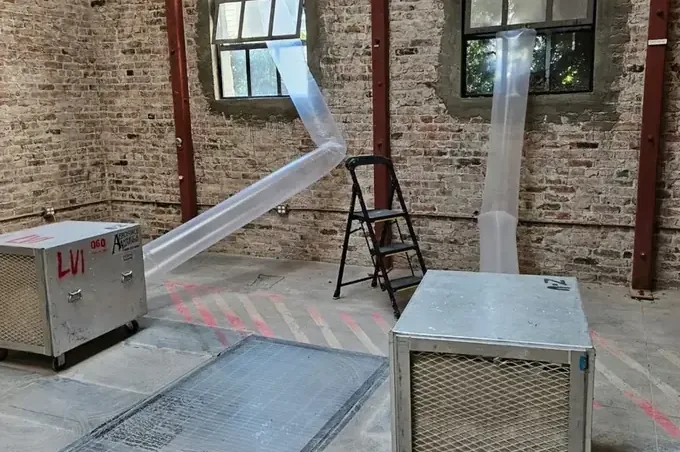
Severe storms on April 28, 2024 brought five inches of rain, flooded streets, snapped trees and property damage in Bartlett. The city declared a local disaster, and reporting documented water at the Bartlett Lumber Yard.
Key takeaways
- The April 2024 event supplies a documented commercial flooding example.
- Separate room records help track cleanup when apartments and business spaces share a building.
- Outdoor water begins with Category 3 containment and cleaning.
- Commercial response divides affected, protected and support zones.
- Contents records should preserve original location, contact and destination.
What the storm record confirms
Reporting described one shop and three apartments flooded at the Bartlett Lumber Yard. The grounds held two to three inches of water during the event.
Crews also removed debris and blockages from the drainage system after the storm. Those facts establish one documented event, not a permanent condition for Main Street or downtown Bartlett.
- Record the event date and reported conditions.
- Avoid turning one event into a recurring flood claim.
- Use building evidence for every current scope.
Commercial cleanup starts with operating zones
A business property needs clear decisions about access, people and assets before equipment fills the space. A designated representative identifies operating priorities and who can approve contents movement.
The local commercial water page separates affected work zones from protected and support space. Signs and routes keep staff, customers and wet tools from sharing the same path.
- Name the decision contact.
- Mark wet and protected rooms.
- Keep debris away from operating routes.
- Identify essential assets early.
Outdoor water changes material handling
Storm water that crossed soil begins as Category 3. Carpet, pad, gypsum and other absorbent finishes may hold contamination beyond a cleanable surface.
The local flood cleanup page explains controlled removal and treatment. Sound framing, concrete and durable finishes may remain when accessible for physical cleaning and labeled product use.
- Contain tracked soil and splashes.
- Photograph porous materials before removal.
- Clean retained hard surfaces before air movement.
- Document dwell and rinse requirements.
Apartments and shop space need separate records
The documented event included both kinds of space. Contents, finishes and access should remain organized by original area rather than combined into one broad list.
Protecting inventory, records and equipment
Affected assets are photographed and listed before movement when conditions permit. Each group receives a destination and current condition so protected items do not become mixed with contaminated material.
Sensitive equipment and records may need specialist assessment. Restoration personnel can protect the building environment without making decisions outside ordinary cleanup expertise.
- Photograph assets in place.
- Label the contact category.
- Record every relocation destination.
- Maintain clean storage beyond containment.
Drying older and newer finish systems
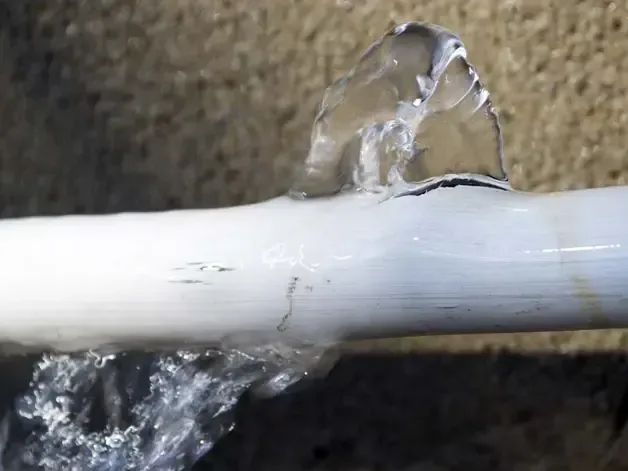
Bartlett is known for late nineteenth and early twentieth century architecture. An inspection identifies the layers behind finishes before wet material is removed.
Material readings determine the actual assembly. Plaster, gypsum, wood, concrete and layered floors may require different access and monitoring, with each zone closed from its own results.
- Identify finish layers before opening them.
- Choose dry comparisons by material.
- Explain equipment changes in daily notes.
A complete commercial project record
The file connects source control, contamination, contents, material work and final readings. Exterior repair and reconstruction remain separate scopes with their own responsible trades.
The main commercial restoration page provides broader process context, and the town service hub lists alternatives for plumbing, roof and sewage sources.
- Preserve prework photographs.
- Separate assets by room and contact.
- Record cleaning before drying.
- Identify remaining repairs at turnover.
Documenting recovery without losing the event chronology
Commercial cleanup can move quickly while still preserving a useful record. The first photographs should show the source area, water height, debris, room use and the position of important contents before extraction or relocation changes the scene.
A written zone map then identifies which doors, storage areas and operating routes remain protected.
The reported shop and apartment flooding illustrates why one property can contain different occupants and material assemblies. A shop floor, residential wall and stored inventory may all need separate handling even when the same storm delivered the water.
Each zone receives its own category, contact and drying notes.
Daily updates should describe what changed rather than repeat a general status. Useful entries include water recovered, material exposed, contents moved, surfaces cleaned, readings collected and trades still needed.
This creates a chronology that property representatives and insurers can follow without treating the disaster declaration as proof of every claimed item.
Cost documentation should also follow the zones rather than blend the entire property into one total. Extraction equipment, contaminated debris, contents handling, access work and monitoring can be associated with the rooms that required them.
This helps a property representative understand why a shop area, apartment finish or storage section received different work. It also prevents the reported storm depth outside from becoming a substitute for measured conditions indoors.
An exterior water mark may explain entry, but interior photographs and material notes support the actual quantities. When reconstruction begins, contractors can see which substrates were retained, which finishes were removed and whether a specialist still needs to assess equipment or documents.
The resulting handoff is useful even if business operations resume in phases. One zone can reach its restoration goal while another remains restricted for system work, contents decisions or finish replacement.
Clear status labels should remain posted until the property authority changes them.
- Assign one identifier to each affected room or operating zone.
- Record who authorized contents movement and where items were placed.
- Keep contaminated debris separate from protected inventory and residential belongings.
- Match final photographs with the same viewpoints used before work began.
Turnover is a property decision supported by evidence
Restoration documentation can show that a zone met its cleaning and material goals. The property authority still considers electrical, structural, business and repair information before deciding how the space may be used. A dry reading does not approve unfinished systems or reconstruction.
- Close each zone separately.
- List unresolved repairs clearly.
- Preserve access restrictions that remain.